

Heated Tobacco vs Smoking — Full Educational Comparison (2025)
Heated tobacco and traditional cigarettes are often discussed together because both use tobacco as the primary material. However, the two categories differ in technology, chemistry, exposure, emissions, and regulatory treatment. Cigarette smoking relies on combustion, while heated tobacco products warm tobacco without burning it, creating an entirely different type of aerosol.
- Heated Tobacco vs Smoking — Full Educational Comparison (2025)
- The Core Difference — Combustion vs Heating
- Smoke vs Aerosol — Chemical and Physical Differences
- Temperature Differences and Their Effects
- Does Heated Tobacco Produce Tar or Ash?
- Nicotine Delivery Differences
- Chemical Exposure Differences
- Secondhand Emissions Comparison
- Odor Differences
- Environmental Impact Differences
- Device Engineering Differences
- User Experience Differences
- Legal Differences Between Heated Tobacco and Cigarettes
- Research Differences — Smoking vs Heated Tobacco
- Long-Term Health Differences
- Common Misconceptions
- “Heated tobacco is safe.”
- “Heated tobacco has tar.”
- “Heated tobacco is the same as vaping.”
- “Heated tobacco has the same risk as smoking.”
- Summary Table — Heated Tobacco vs Smoking
- FAQ (Educational Only)
This comprehensive 2025 guide explains the complete scientific and regulatory comparison between heated tobacco and smoking.
Technical background on heating systems
The Core Difference — Combustion vs Heating
The most important distinction between cigarettes and heated tobacco is:
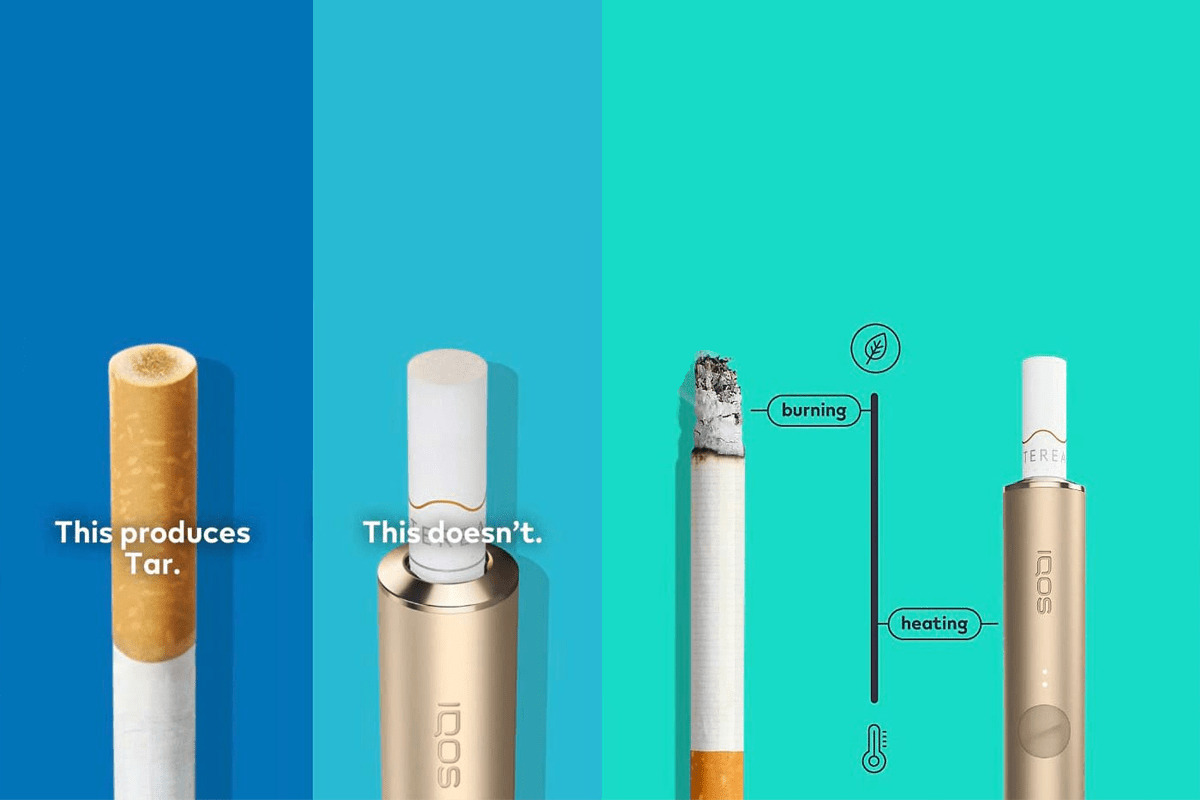
Smoking burns tobacco. Heated tobacco heats it.
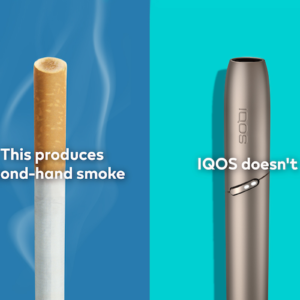
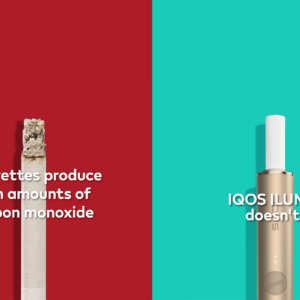
Everything else — aerosol composition, toxicants, exposure, and smell — flows from this fundamental difference.
Combustion (Smoking)
Cigarettes burn at:
• 600–900°C during normal smoking
• sometimes exceeding 1000°C in oxygen spikes
Combustion causes:
• smoke production
• tar formation
• ash generation
• creation of thousands of chemical byproducts
Heating (Heated Tobacco)
Heated tobacco warms tobacco at:
• 250–350°C, depending on the device
• below ignition temperature
• controlled electronically
Heating results in:
• aerosol formation
• evaporation of glycerin
• volatilization of tobacco compounds
• no flame
• no ash
• no tar
Smoke vs Aerosol — Chemical and Physical Differences
Smoke and aerosol may look similar visually, but they are fundamentally different.


Cigarette Smoke
Smoke is a product of combustion and contains:
• tar particles
• soot
• ash microfragments
• PAHs (polycyclic aromatic hydrocarbons)
• carbon monoxide
• carcinogenic byproducts
Smoke is a mixture of solid particles, semi-solid particles, and gases.
Heated Tobacco Aerosol
Heated tobacco aerosol contains:
• glycerin droplets
• water vapor
• nicotine
• volatile tobacco compounds
It does not contain tar, ash, or smoke particles because nothing is burned.
Temperature Differences and Their Effects
Temperature is the foundation of all chemical and physical differences.
Cigarette Temperatures
High temperatures cause:
• combustion
• oxidation
• pyrolysis
• formation of thousands of harmful chemicals
Heated Tobacco Temperatures
Moderate temperatures cause:
• evaporation
• thermal release of nicotine
• aerosol formation
No combustion occurs.
Why Tar Cannot Form Below 400°C
Tar requires:
• burning
• carbonization
• incomplete combustion
Heated tobacco stays far below these thresholds.
Does Heated Tobacco Produce Tar or Ash?
❌ No.
Cigarettes produce tar and ash because combustion occurs.
Heated tobacco:
• does not burn
• does not smolder
• does not ignite
• produces no tar
• produces no ash
Residual droplets are not tar.
Nicotine Delivery Differences
Both products deliver nicotine, but in different ways.
Smoking Nicotine Delivery
Nicotine is released during combustion and absorbed quickly due to:
• small smoke particles
• deep lung deposition
• high temperatures
Heated Tobacco Nicotine Delivery
Nicotine is:
• evaporated at lower temperatures
• carried by glycerin aerosol
• absorbed via aerosol droplets
Nicotine delivery depends on:
• stick design
• device type
• puffing intensity
Chemical Exposure Differences
Cigarette smoke contains:
• thousands of chemicals
• 70+ identified carcinogens
• tar
• carbon monoxide
Heated tobacco aerosol contains:
• nicotine
• volatile compounds
• water vapor
• glycerin aerosol
Significantly reduced combustion byproducts due to lack of burning.
Combustion-Specific Toxicants
Cigarettes contain high levels of:
• benzene
• formaldehyde
• PAHs
• carbon monoxide
• tar solids
Heated tobacco avoids combustion; therefore levels differ.
Secondhand Emissions Comparison
Secondhand smoke from cigarettes includes:
• sidestream smoke from the burning tip
• exhaled mainstream smoke
Secondhand aerosol from heated tobacco includes:
• exhaled aerosol only
• no sidestream smoke
• no tar particles
• fewer persistent airborne particles
Aerosol Dissipation
Heated tobacco aerosol dissipates faster due to:
• smaller droplet particles
• high evaporation rate
Cigarette smoke lingers longer because of solid particles.
Odor Differences
Cigarette smoke:
• strongly adheres to surfaces
• leaves long-lasting odor
• stains fabric and walls
Heated tobacco aerosol:
• has a milder odor
• dissipates faster
• does not stain surfaces
• does not produce smoke residue
Environmental Impact Differences
Cigarettes produce:
• ash
• smoke particles
• sidestream emissions
Heated tobacco produces:
• used tobacco sticks (solid waste)
• no ash
• no sidestream smoke
Environmental behavior is different due to the absence of burning.
Device Engineering Differences
Heating devices are engineered with:
• temperature sensors
• electronics
• airflow channels
• thermal control systems
Smoking requires no engineering — only ignition.
User Experience Differences
Cigarette Experience
• ash
• smoke
• odor
• burning tip
• free puffing (no session timer)
Heated Tobacco Experience
• fixed sessions
• no ash
• aerosol instead of smoke
• more consistent emissions
• tobacco flavor without burning
Legal Differences Between Heated Tobacco and Cigarettes
Regulatory treatment differs by region.
United States
• cigarettes legal
• heated tobacco consumables NOT authorized
• devices restricted via prior rulings
European Union
• both are regulated as tobacco
• heated tobacco requires emissions reporting
Japan & Korea
• cigarettes common
• heated tobacco extremely widespread
• regulatory frameworks differ
Research Differences — Smoking vs Heated Tobacco
Smoking Research
Decades of research document:
• cancer risk
• cardiovascular risks
• respiratory diseases
• environmental harm
Heated Tobacco Research
Focuses on:
• aerosol chemistry
• lower-temperature emissions
• exposure biomarkers
• absence of tar
• vapor particle distribution
Long-Term Health Differences
Smoking long‑term risks are well-established.
For heated tobacco:
• long-term outcomes still under study
• exposure levels differ
• aerosol composition differs
• no combustion risks
• nicotine exposure remains
Common Misconceptions
“Heated tobacco is safe.”
Incorrect — not safe, but chemically different.
“Heated tobacco has tar.”
Incorrect — no combustion, no tar.
“Heated tobacco is the same as vaping.”
Incorrect — different aerosol materials.
“Heated tobacco has the same risk as smoking.”
Incorrect — exposure profiles differ.
Summary Table — Heated Tobacco vs Smoking
Feature Smoking Heated Tobacco
Combustion Yes No
Smoke Yes No (aerosol instead)
Tar Yes No
Ash Yes No
Sidestream Emission Yes No
Odor Persistence High Low
Waste Ash + butts Sticks only
Temperature 600–900°C 250–350°C
Long-Term Research Established Ongoing
FAQ (Educational Only)
Are heated tobacco products safer than cigarettes?
Exposure differs; safety claims cannot be made.
Do heated tobacco products burn tobacco?
No — only heat.
Does heated tobacco produce tar?
No — tar forms only in combustion.
Does heated tobacco produce smoke?
No — it produces aerosol.
Is secondhand aerosol the same as secondhand smoke?
No — different chemistry and no sidestream emissions.