

Do Heated Tobacco Products Produce Carbon Monoxide? Full 2025 Scientific Guide
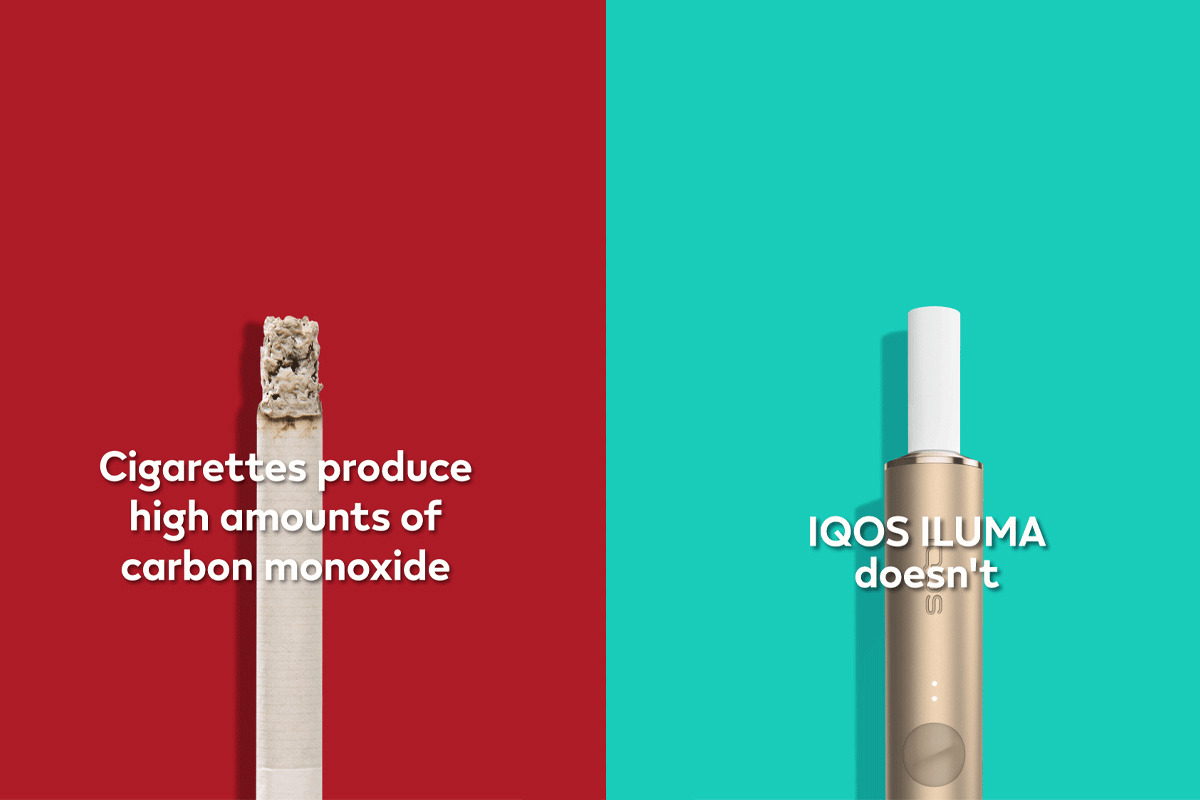
Carbon monoxide (CO) is one of the most dangerous toxic gases produced during the burning of tobacco. Because heated tobacco devices use real tobacco but do not burn it, many people are confused about whether these systems produce carbon monoxide, in what amounts, and how emissions differ from cigarette smoke.
- Do Heated Tobacco Products Produce Carbon Monoxide? Full 2025 Scientific Guide
- What Is Carbon Monoxide and How Is It Normally Produced?
- Does Heated Tobacco Produce Carbon Monoxide?
- Carbon Monoxide in Cigarette Smoke — The Comparison Point
- How Studies Measure CO in Heated Tobacco Products
- Why Heated Tobacco Generates Far Less CO Than Cigarettes
- CO in Firsthand vs Secondhand Exposure
- Indoor Air Quality Studies — CO Levels
- HEETS vs TEREA — CO Differences
- Device Type Influence on CO Levels
- Regulatory Considerations
- FAQs (Educational Only)
This educational guide provides a full scientific explanation of:
• how carbon monoxide forms
• whether heated tobacco generates CO
• how CO levels compare to cigarettes
• how CO exposure is measured
• what research shows in 2025
• why combustion matters
• what regulators consider when evaluating CO data
Technical foundations of heated tobacco:
What Is Carbon Monoxide and How Is It Normally Produced?
Carbon monoxide (CO) is a toxic, colorless gas generated by incomplete combustion of carbon-based materials, including:
• burning tobacco
• burning wood
• vehicle exhaust
• open flames
The keyword is combustion. CO is not produced by simple heating — it requires burning, oxygen deprivation, and carbon breakdown.

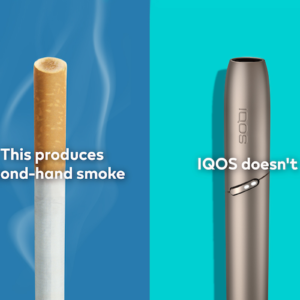
Why Carbon Monoxide Is Dangerous
Carbon monoxide:
• binds to hemoglobin
• reduces oxygen transport in the blood
• triggers headaches and dizziness
• impacts cardiovascular function
• is a major harmful component of cigarette smoke
CO is one of the main reasons smoking increases cardiovascular risk.
Does Heated Tobacco Produce Carbon Monoxide?
Short answer:
Very low levels — dramatically lower than cigarettes — but not absolute zero.
Heated tobacco devices operate without combustion.
However, because tobacco is an organic material, trace amounts of CO can still form through minor thermal decomposition at high temperatures, though far below the levels of burning cigarettes.
Why CO Levels Are Much Lower in Heated Tobacco
Carbon monoxide formation requires:
• combustion
• oxidation
• high heat (typically above 600°C)
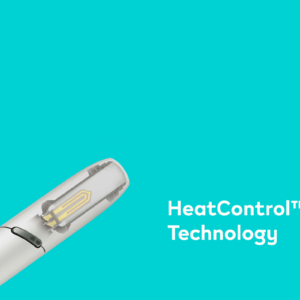
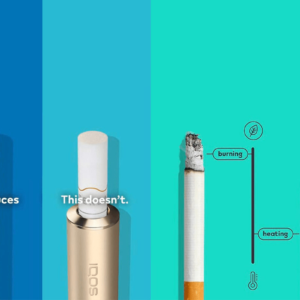
Heated tobacco operates at:
• 250–350°C (well below combustion)
Therefore:
• no flame
• no burning
• little-to-no CO generation
• CO levels dramatically lower than cigarettes
Reference on heating vs burning:
Why CO Is Not Zero
Even without combustion, organic materials can:
• degrade thermally
• release trace gases
• generate minimal amounts of CO under certain conditions
These trace amounts are typically:
• hundreds of times lower than cigarette smoke
• often below environmental background levels
• sometimes undetectable depending on measurement method
Carbon Monoxide in Cigarette Smoke — The Comparison Point
Cigarettes produce extremely high levels of CO because they burn at:
• 600–900°C, with oxygen deprivation
• producing incomplete combustion
• generating CO as a major byproduct
Cigarette smoke contains:
• high concentrations of CO
• continuous sidestream smoke
• large volumes of toxic gas
Heated tobacco avoids these conditions.
Why Cigarettes Produce So Much CO
Cigarette combustion:
• consumes oxygen
• generates carbon-rich smoke
• releases CO in both mainstream and sidestream smoke
Heated tobacco eliminates sidestream emissions entirely and avoids combustion, which eliminates the source of CO spikes.
How Studies Measure CO in Heated Tobacco Products
Scientific studies use several methods:
1. Machine puff testing
2. Aerosol gas-phase chromatography
3. Indoor air quality sensors
4. COHb blood biomarker analysis
These methods consistently show:
• CO in cigarette smoke: very high
• CO in heated tobacco aerosol: low to very low
• CO in air near heated tobacco: often near-background levels
COHb Biomarkers in Users
COHb (carboxyhemoglobin) indicates CO exposure.
Cigarette smokers:
• high COHb levels
Heated tobacco users:
• significantly lower COHb levels
• often similar to nonsmokers in controlled studies
• not zero, but near-background in many cases
Why Heated Tobacco Generates Far Less CO Than Cigarettes
Because it lacks:
• burning
• ash production
• tar formation
• oxygen-deprived combustion zones
• smoldering
Carbon monoxide is inherently a combustion gas, so systems designed to avoid combustion naturally avoid most CO emission.
The Role of Temperature Control
Modern heated tobacco devices continuously monitor:
• heating temperature
• airflow
• thermal stability
Induction devices (Iluma) regulate heat even more precisely.
CO in Firsthand vs Secondhand Exposure
Firsthand Exposure
Heated tobacco users inhale aerosol that may contain trace amounts of CO.
Levels are dramatically lower than smoking.
Secondhand Exposure
Heated tobacco does not produce:
• sidestream smoke
• burning tip emissions
Secondhand exposure comes only from exhaled aerosol.
CO dissipates rapidly and may be below detectable levels.
Secondhand aerosol explanation
Indoor Air Quality Studies — CO Levels
Indoor air quality research shows:
Cigarette smoking:
• spikes CO levels
• persists in indoor environments
• increases background pollution
Heated tobacco:
• rarely changes room CO levels
• aerosol evaporates quickly
• far lower environmental impact
Indoor aerosol comparison
HEETS vs TEREA — CO Differences
HEETS (blade-heated) and TEREA (induction-heated) differ slightly due to heating method.
HEETS:
• internal blade
• direct heating contact
TEREA:
• induction-based heating
• magnetic thermal field
• more stable heating curve
More stable heating tends to mean:
• less thermal decomposition
• potentially less trace CO formation
Device Type Influence on CO Levels
Blade devices:
• occasional hotspots
• slightly higher chance of trace CO release due to uneven heating
Induction devices:
• no blade
• magnetic heating
• more consistent temperature
• fewer hotspots
Regulatory Considerations
Regulators examine CO levels as part of emissions assessments.
United States (FDA)
CO emissions are evaluated as part of:
• aerosol chemistry
• toxicology
• exposure studies
European Union
The EU requires:
• emissions reporting
• CO measurement
• toxicant comparisons to cigarettes
Asia (Japan, Korea)
These countries analyze:
• aerosol composition
• CO emission levels
• device heating curves
Japan has the largest heated tobacco market worldwide.
FAQs (Educational Only)
Do heated tobacco products produce carbon monoxide?
Very low levels; far lower than cigarettes.
Do they produce tar?
No — tar requires combustion.
Do they burn tobacco?
No — they heat it.
Does secondhand aerosol contain CO?
Trace amounts may exist but are much lower than smoke.
Are CO levels zero?
Not necessarily, but dramatically reduced vs smoking.