


Camel Cigarettes — Brand History & Global Product Line
Camel is one of the oldest and most influential cigarette brands in the world. Known for its distinctive camel logo and Turkish‑influenced blends, Camel has shaped smoking culture for over 110 years. In 2025, Camel remains a major player in key global markets despite the shift toward smoke‑free products.
This guide covers:
• brand origins and marketing history
• product families
• blend technologies
• regional variations
• comparisons with other cigarette types
• how Camel fits into today’s reduced‑risk nicotine landscape
Contextual internal links are included throughout the text for deeper reading.
Origins of Camel Cigarettes
Foundation and Early Innovation
Camel was introduced in 1913 by the R.J. Reynolds Tobacco Company in the U.S. It revolutionized the market by offering:
• a pre‑blended cigarette (instead of loose tobacco)
• Turkish and Virginia leaf combination
• universal availability at a competitive price
While many modern cigarettes rely more heavily on Virginia blends, Camel still preserves elements of its original aromatic profile.

To explore other tobacco blend styles, see:
→ Light Cigarettes Explained
The Camel Icon and Marketing Legacy
Camel developed many legendary marketing strategies:
• Joe Camel character (iconic but later restricted)
• 20th‑century sponsorships in racing and adventure sports
• “Turkish and Domestic Blend” positioning
These campaigns built a global image of youthfulness and freedom — later heavily regulated.
Product Families and Flavor Profiles
Camel offers several product lines tailored to regional tastes.
Primary Camel Families:
1. Camel Blue (smooth/light)
2. Camel Filters (full flavor)
3. Camel Turkish blends (aromatic focus)
4. Camel Crush / Capsule variants (button‑activated flavor)
5. Camel Compact and modern slim formats
Camel’s capsule products share similar technology to capsule cigarettes discussed here:
→ Capsule Cigarettes: Flavor Beads Technology

Camel Blue — Most Popular Modern Variant
Camel Blue emphasizes a smooth, medium-intensity profile:
• balanced taste
• lower harshness vs full flavor cigarettes
A parallel comparison can be seen in:
→ Light vs Regular Cigarettes
H3: Camel Filters — Classic Bold Taste
This version maintains:
• traditional full-body blend
• stronger nicotine delivery
• a more robust throat hit
Nicotine delivery principles are further explained in:
→ Nicotine Absorption in the Human Body
Camel Turkish and Limited Editions
Camel’s original identity stems from Turkish-style tobacco. Modern markets still preserve:
• Oriental aromatic leaf notes
• specialized limited editions in select regions
Flavor diversity remains a key brand asset.
H2: Packaging and Design Evolution
Camel packaging is internationally recognizable due to:
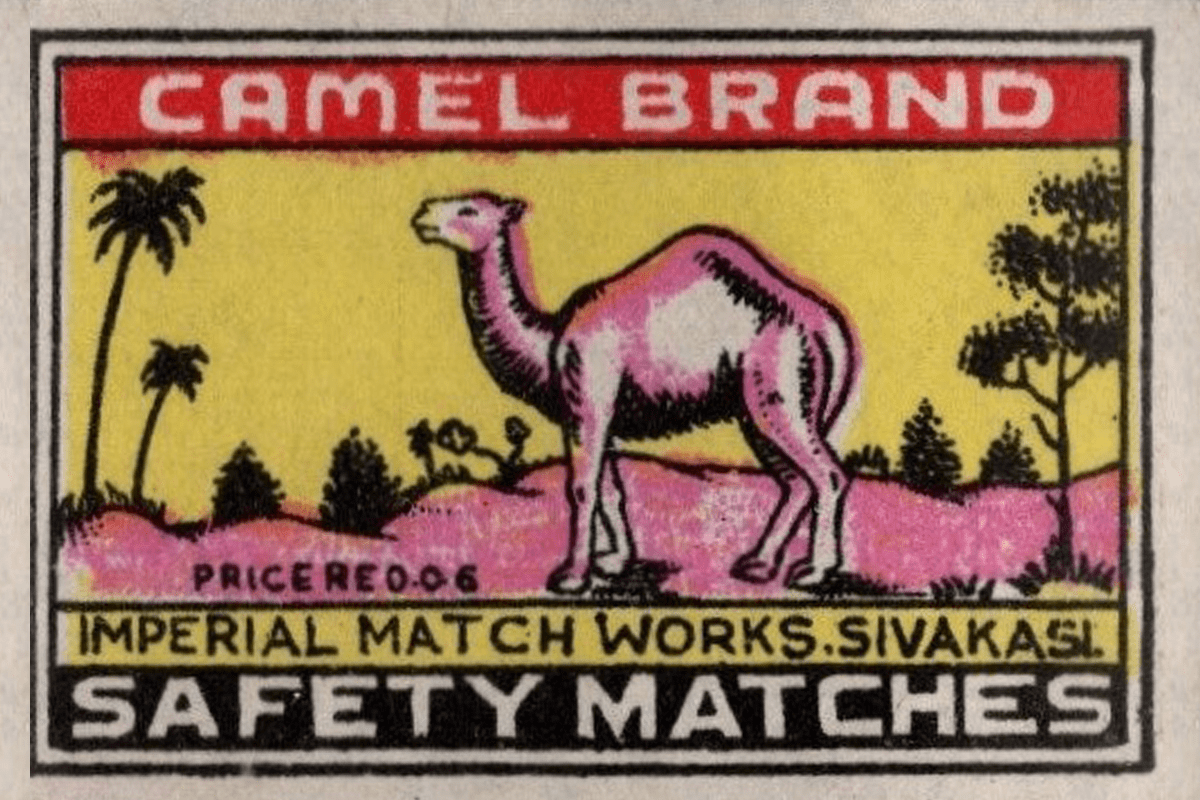
• desert and camel imagery
• classic yellow‑blue palette
• strong brand identity without text‑heavy styling
In markets with plain‑packaging laws (UK, Australia, etc.), only the brand name remains, similar to Marlboro’s adaptation discussed here:
→ Marlboro Global Overview
Blend Components and Engineering
Camel blends often incorporate:
• Virginia leaf (base flavor)
• Burley (body and density)
• Oriental leaf (aroma) — a historical signature
• Expanded/reconstituted sheet (varies by region)
Nicotine and tar depend heavily on ventilation and filter design, which is detailed in:
→ Filter Efficiency & Nicotine Delivery
Global Market Presence 2025
Regions Where Camel Remains Strong
✔️ Turkey
✔️ Japan
✔️ Middle East
✔️ USA
✔️ Germany & Spain
Camel Blue dominates Europe, while stronger variants succeed in the Middle East.
Declining Markets
In some Western countries, Camel faces:
• strong competition from vaping
• expanding heated tobacco adoption
• youth‑oriented marketing restrictions
To understand broader market trends:
→ Cigarette Sales Decline Report
H2: Camel vs Heated Tobacco and Vaping
The tobacco market transformation is major:
Category Does Camel compete? Trend
Heated tobacco (IQOS, HEETS, TEREA) Yes, heavily Rising globally
Vaping / Nicotine salts Yes Dominant among younger users
Traditional cigarettes Core Declining in developed regions
Comparison reference:
→ Smoking vs Heated Tobacco: Scientific Comparison
H3: Heated Tobacco as a Competitor
Brands like HEETS and TEREA target smokers seeking cigarette‑like sensations with reduced combustion exposure. For example:
These alternatives pressure combustible cigarette demand.
H3: Competition with Disposable Vapes
Disposable vapes draw many former Camel consumers due to ease of use and flavor options:
The market shift is reshaping Camel’s long-term strategy.
H2: Regulations Impacting Camel
Camel must adapt to:
• menthol bans
• capsule restrictions
• excise tax increases
• plain packaging laws
• retail and advertising limitations
Flavored products like Camel Crush face regulatory risk similar to the bans described here:
→ Menthol Cigarette Bans: State Map
Future Outlook — 2025 and Beyond
Camel’s future depends on:
• ability to maintain brand identity under plain packaging
• continued export markets with strong demand for full flavor tobacco
• balancing between heritage cigarette lines and transitioning smokers to safer alternatives
R.J. Reynolds (part of BAT in some regions) is investing in newer nicotine delivery categories, but Camel remains a strong brand name that supports portfolio stability.
Final Summary
Camel is a historic brand with:
✔️ strong global recognition
✔️ diverse product lines tailored to regional tastes
✔️ aromatic blends rooted in Turkish tobacco heritage
✔️ ongoing challenges from vaping and heated tobacco
While the cigarette market shifts toward reduced‑risk products, Camel retains loyal consumers who prefer traditional combustion flavor and profile.
Camel’s continued success will depend on how well the brand adapts to a rapidly changing nicotine landscape.
👉 Winston: Flavor, Types, and Market Position