

Light vs Regular Cigarettes — Full Comparison (2025 Expert Guide)
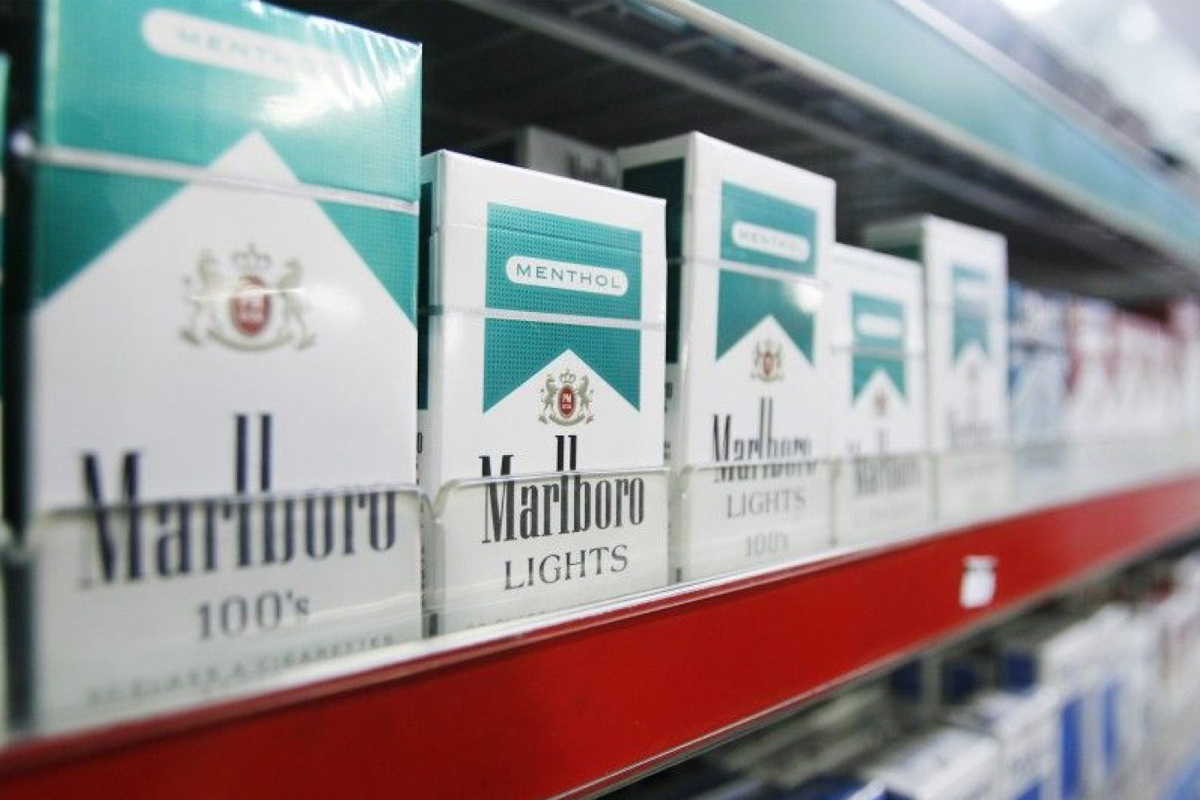
Light and regular cigarettes remain two of the most recognizable categories in traditional tobacco. Their main differences involve:
• filter ventilation
• smoke density
• perceived harshness
• branding and regulations
- Light vs Regular Cigarettes — Full Comparison (2025 Expert Guide)
- Core Structural Differences
- Tobacco Blend & Particulate Emission
- Sensory Profiles
- Smoker Behavior Compensation
- Branding and Regulation Changes
- Market Segmentation & Consumer Trends
- Light vs Regular vs Heated Tobacco
- Future Outlook
- Final Summary
Despite lighter sensations, nicotine intake can remain similar due to smoker behavior. This guide provides a clear comparison with contextual resources across cigarette engineering and sensory impact.
Core Structural Differences
Feature Light Cigarettes Regular Cigarettes
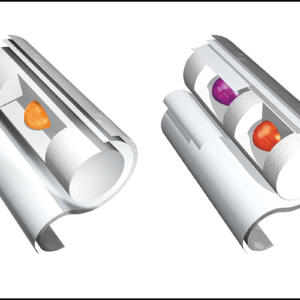
Filter ventilation High Medium/Low
Smoke concentration Lower Higher
Harshness Reduced Stronger throat hit
Marketing terms Gold, Blue Red, Bold
Perceived nicotine Milder Stronger
Actual nicotine intake Behavior‑dependent More consistent
Ventilation design details here:
→ Filter Efficiency & Nicotine Delivery
Tobacco Blend & Particulate Emission
Light Blend Modifications
Light variants generally include:
• more expansion/reconstituted sheet
• lower sugar/casing for smoothness
• more dilution in aerosol delivery

Understanding absorption patterns:
→ Nicotine Absorption in the Human Body
Regular Cigarette Body & Density
Regular cigarettes:
✔️ fuller smoke density
✔️ stronger flavor
✔️ faster burn
✔️ higher particulate delivery
Similar to the strength category seen in unfiltered cigarettes:
→ https://cigarettesvibe.com/cigarettes/types/unfiltered-cigarettes/
Sensory Profiles
Sensory Feature Light Regular
Inhale feel Smooth Intense
Aroma Softer Richer
Aftertaste Reduced Bold
Hit satisfaction Variable Consistent
These sensations influence product choice more than safety perception.

Smoker Behavior Compensation
Because light cigarettes feel weaker, smokers may:
• take deeper puffs
• inhale more frequently
• block filter vents with lips/fingers
➡️ This can increase nicotine and tar exposure, even beyond regular cigarettes.
Behavior parallels phenomena in other reduced‑intensity styles:
→ Slim Cigarettes — Design & Taste
Branding and Regulation Changes
“Light” and “Mild” labels are prohibited in many regions:
• USA
• Canada
• European Union
Replaced with coded terminology such as:
• Gold
• Blue
• Silver
• Smooth
This mirrors restrictions also applied to menthol products:
→ https://cigarettesvibe.com/cigarettes/types/menthol-cigarettes-overview/
Market Segmentation & Consumer Trends
Light cigarettes often attract:
✔️ new smokers
✔️ users sensitive to harshness
✔️ style‑driven consumers
Regular cigarettes appeal to:
✔️ long‑time smokers
✔️ those seeking strong hit
✔️ traditional preferences
Category shifts influenced by heated tobacco growth:
→ Smoking vs Heated Tobacco: Scientific Comparison
Light vs Regular vs Heated Tobacco
Product Perceived Risk Sensory Intensity Smoke?
Light Lower Mild Yes
Regular Higher Stronger Yes
Heated Tobacco Much lower Medium No combustion
Heated tobacco technology explained:
→ Heated Tobacco Aerosol Explained
Future Outlook
Region Type Trend
Strong regulation markets Light category declining
Moderate regulation markets Light remains stable
Youth‑market geographies Switching to vapes/heated
Market transition overview:
→ Cigarette Sales Decline Report
Final Summary
Light cigarettes feature:
✔️ smoother sensation
✔️ filtered smoke with high ventilation
Regular cigarettes deliver:
✔️ stronger throat hit
✔️ consistent nicotine delivery
However:
📌 Compensation behavior can lead to similar nicotine & tar exposure
📌 Ventilation affects perception far more than safety
📌 Consumers shifting rapidly to heated & vapor products
This comparison highlights that perceived “lightness” ≠ reduced harm.