

Filter Efficiency & Nicotine Delivery — Complete 2025 Scientific Analysis
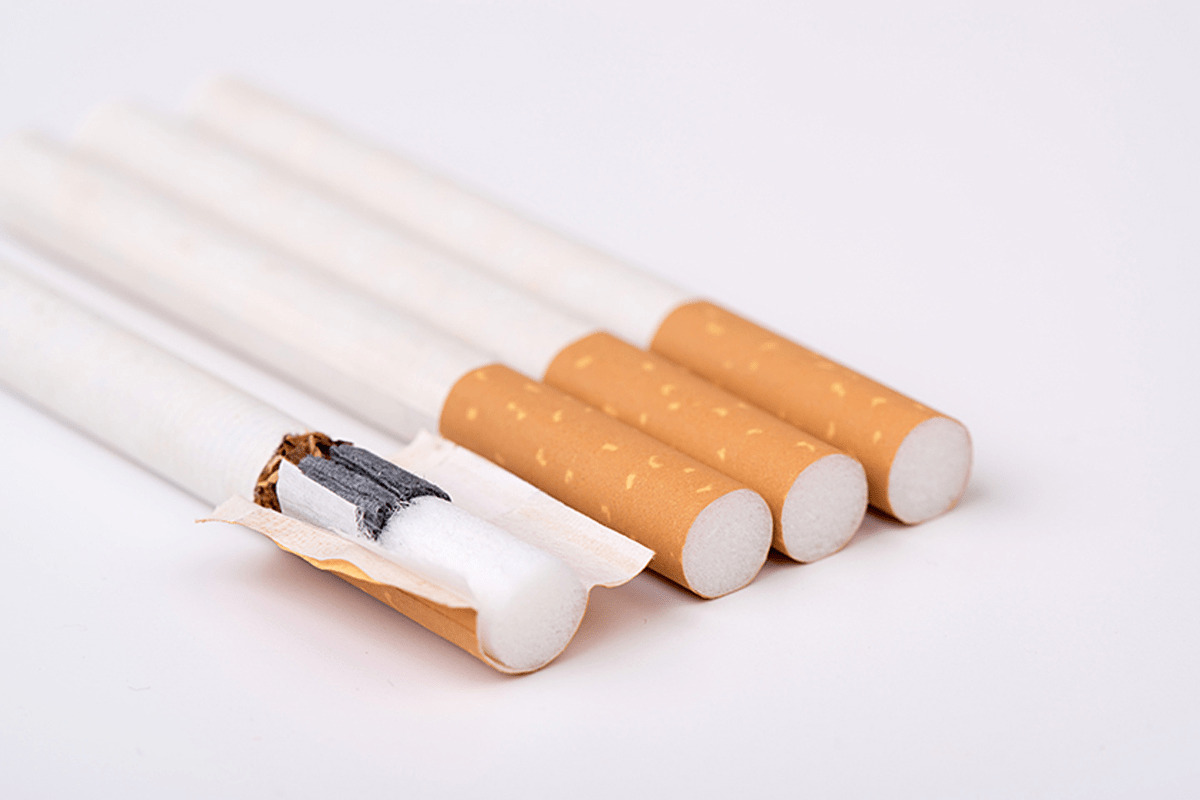
Cigarette filters were originally introduced to reduce tar and particulate intake.
But with modern ventilation designs, they have become a sensory‑modification tool rather than a protective system.
- Filter Efficiency & Nicotine Delivery — Complete 2025 Scientific Analysis
- Why Filters Exist — A Brief Evolution Timeline
- Why Ventilation Changes Everything
- Filter Efficiency by Cigarette Type
- The Core Flaw: Filters Change Behavior, Not Exposure
- Why Filters Fail to Reduce Toxicity
- Regulatory Differences Affect Filter Design
- Consumer Psychology — “Smooth = Safe” Fallacy
- The Future: Smoke‑Free Nicotine Surpasses Filters
- Myths vs Reality
- Final Summary
- Broader Public Health Context — Why Filter Design Still Matters
- Smoking Ritual & Filter Identity
- Environmental Burden — The Hidden Cost of Filters
- Extended Final Summary — The Full Picture
📌 Key conclusions:
• Filters change how smoke feels, not what enters the body
• Ventilation leads to deeper inhalation → equal or higher exposure
• “Low‑tar” filtration is a lab illusion, not a real reduction
• Consumer behavior determines the final nicotine intake
• Alternatives without combustion outperform all filter types
This deep‑dive uncovers the mechanics behind filtration and nicotine delivery.
Why Filters Exist — A Brief Evolution Timeline
Period Filter Purpose Result
1950s–1970s Safety marketing Misleading reduction claims
1980s–2000s Smoothness design Higher compensation behavior
2020s Regulatory compliance Ventilation games & redesign
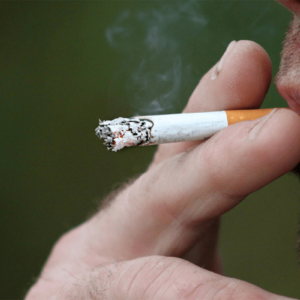
Standard brands (Marlboro/Camel/Winston) maintain filter identity through design — but not harm reduction.

🔍 Expert Insight
Filters are behavior‑shaping devices. They don’t reduce risk — they reduce discomfort, prompting deeper inhalation.
H2: How Cigarette Filters Actually Work
Filtration mechanism removes only a fraction of particulate matter.
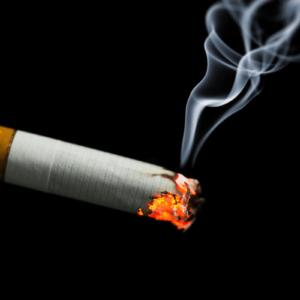
Burning Tobacco → Smoke Aerosol
↓
Filter Fibers (retain some tar droplets)
↓
Diluted Smoke (ventilation → more air)
↓
Lung Absorption (nicotine delivered efficiently)
✔️ Reduces irritation
✘ Does not protect the lungs
✘ Allows more nicotine to reach deep airways
Why Ventilation Changes Everything
Small ventilation holes:
• weaken throat hit
• lighten taste
• allow faster inhalation
• enable machine‑test manipulation
Machines don’t block vent holes. Smokers do.
Filter Efficiency by Cigarette Type
Cigarette Type Filtration Ventilation User Compensates? Net Nicotine Delivery
Light Medium High Yes Similar to Regular
Slim Strong fiber Very high Yes Medium‑High
Regular Standard Low Minimal Stable
Capsule Ventilated Medium–High Yes (flavor‑driven) High
Unfiltered None None N/A Maximum
Comparison resources:
• Slim format sensory analysis
• Unfiltered product design
The Core Flaw: Filters Change Behavior, Not Exposure
When irritation drops, smokers unconsciously:
• inhale deeper into alveoli
• increase puff duration
• take more puffs per stick
• block ventilation holes with fingers or lips
➡️ More smoke reaches deeper lung tissue
Psychophysiology of nicotine intake
Why Filters Fail to Reduce Toxicity
Toxic Factor Filter Impact Final Result
Tar particles Partially trapped Still reaches lungs
Gases (CO, aldehydes) Pass through unfiltered Damage continues
Nicotine Almost fully delivered Addiction maintained
📌 If tobacco burns — toxic chemicals form
Regulatory Differences Affect Filter Design
Region Tar/Nicotine Caps Filter Result
🇪🇺 EU Strict machine‑measured limits Over‑ventilation designs
🇺🇸 USA No emission caps Stronger “full‑bodied” variants
EU cigarettes often appear weaker — but provoke stronger inhalation.
Consumer Psychology — “Smooth = Safe” Fallacy
Ventilation and flavor cues create risk perception illusions:
Sensation User Interpretation Actual Exposure
Cooling, smoothness Less harmful Often higher
Soft inhale Safer Deeper delivery
Weak smell Lower emissions Same emissions
Capsule flavors magnify this illusion
🔥 Market Insight
Filters are losing credibility — but still shape brand identity more than any other cigarette feature.
The Future: Smoke‑Free Nicotine Surpasses Filters
Consumers shifting toward:
🔥 Heated Tobacco (reduced toxicants vs smoke)
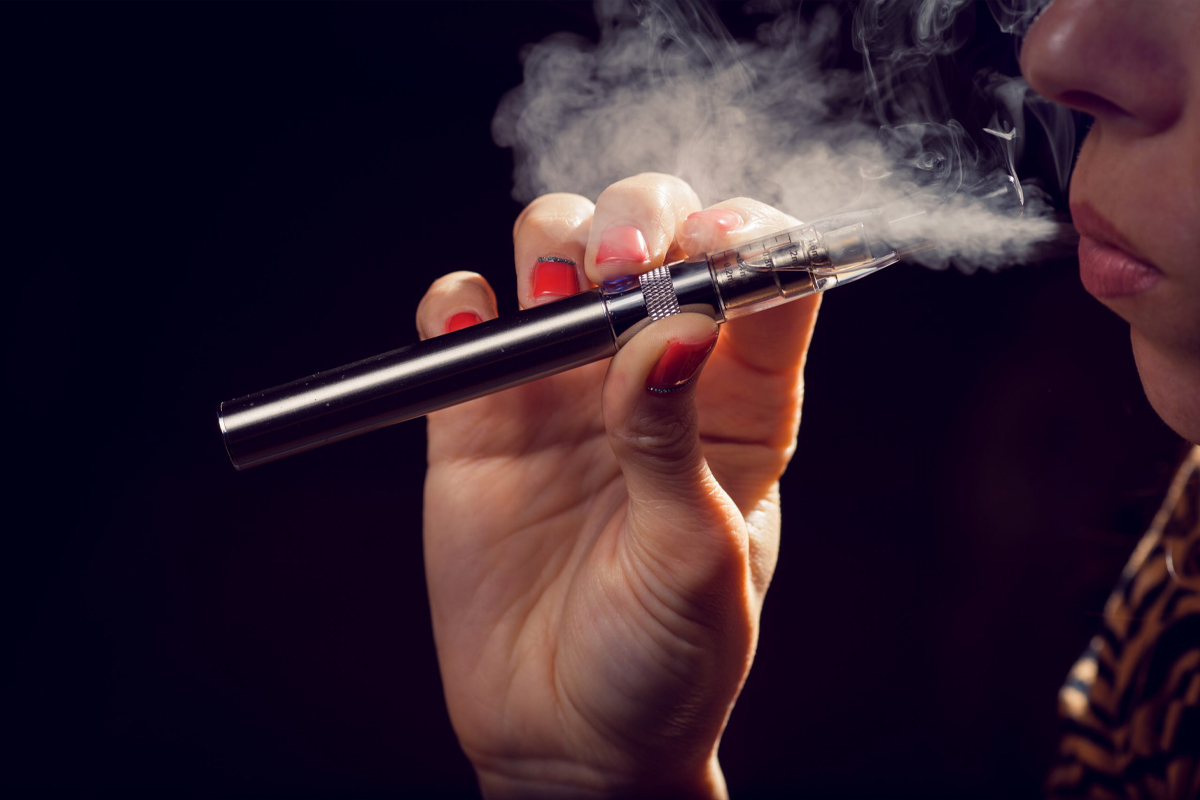
🔥 Disposable Vapes (no combustion, no filter)
Heated products depend on:
• aerosol generation, not smoke
• alternative filtration → condensers, not fiber filters
Combustion‑free = filtration‑irrelevant
Myths vs Reality
Claim Reality
Filters protect smokers No measurable reduction
Low‑tar filters safer Behavior cancels benefit
More ventilation = less nicotine Deep inhalation restores delivery
Filters reduce gas toxins Gases pass through easily
Final Summary
✔️ Filters modify experience — not exposure
✔️ Filtration reduces harshness, not smoking risk
✔️ Ventilation increases toxicant delivery by altering behavior
✔️ Tar and gas toxins bypass most filter defenses
✔️ Alternatives without combustion outperform filters
📌 Filters protect the throat — not the lungs.
📌 Risk reduction must remove combustion — not dilute it.
🧩 Recommended Guides for Deeper Understanding
• Nicotine Absorption vs Cigarette Type
• Toxicant Levels: Cigarettes vs Alternatives
• Smoking vs Heated Tobacco — Scientific Differences
Broader Public Health Context — Why Filter Design Still Matters
While filters do not significantly reduce toxic exposure per cigarette, they continue to affect population‑wide smoking behavior, and this has indirect consequences on public health policy:
• Filtered products enable smoother beginner experience, lowering barriers to initiation
• Consumers often believe filtered cigarettes are safer, delaying attempts to quit
• Filter changes impact brand competition rather than harm levels
In other words:
📌 Filters keep smokers smoking — not safer.
📌 Filters shift perception — not toxicology.
Regulators evaluate filters not as safety technology, but as marketing components that influence addiction patterns.
Smoking Ritual & Filter Identity
Filters strongly shape the emotional side of smoking:
Psychological Factor Filter Influence
Satisfaction ritual Consistent structure & mouth‑feel
Brand loyalty Recognizable filter aesthetics
Personal identity “Light”, “slim”, capsule sensations
Social comfort Reduced odor & smoother perception
This is why many smokers moving to alternative products still seek:
• similar hand‑feel
• smoothness
• inhalation ritual
Filters have created taste expectations that other nicotine delivery formats now try to mimic.
🚭 Future‑Facing Trend: Filters Are Becoming Obsolete
Industry portfolios show a significant pivot:
Product Category 2024 Market Movement Why Filters Decline
Heated Tobacco Rapid acceleration No combustion → no filter
Disposable Vapes Dominant alternative Simpler + flavored
Combustible Cigarettes Declining Filters don’t protect
As smoke‑free adoption rises, filters become:
• technologically outdated
• regulatory liabilities
• sustainability concerns (plastic waste)
So filters may disappear not because they reduce harm,
but because they failed to.
Environmental Burden — The Hidden Cost of Filters
Billions of cigarette butts are discarded daily.
Filter waste causes:
• microplastic pollution
• toxic leaching into soil and water
• major urban cleanup cost
One of the strongest arguments against filters
may come from environmental policy — not health data.
Transition to sealed heated tobacco sticks drastically reduces:
✔️ litter
✔️ filter‑fiber waste
✔️ cleanup burdens
Meaning: innovation will replace filters where regulations haven’t.
Extended Final Summary — The Full Picture
✔️ Filters reduce discomfort — not risk
✔️ Ventilation is a testing loophole, not a protection system
✔️ Compensation behavior eliminates measured differences
✔️ Nicotine is still delivered efficiently
✔️ Tar and gases bypass filtration almost entirely
✔️ Consumers misinterpret smoothness as safety
✔️ Smoke‑free products outperform filters on every safety metric
✔️ Sustainability pressures will accelerate the end of filtered cigarettes
📌 A filter is a comfort‑control tool — not a health‑protection tool.
📌 Eliminate combustion → eliminate tar → eliminate the need for a filter.