

How Vaporization Delivers Nicotine — Full Engineering & Biological Analysis
Vaporization revolutionized nicotine delivery by removing combustion, tar, and most toxic gas emissions. Instead of burning tobacco, e‑cigarettes heat liquid formulations into a breathable aerosol that transports nicotine into the lungs — or, depending on the formulation, mouth and throat.
- How Vaporization Delivers Nicotine — Full Engineering & Biological Analysis
- What Vaporization Actually Does
- Aerosol Formation — From Liquid to Inhalable Droplets
- Nicotine Forms — Freebase vs Nicotine Salt
- How Fast Does Vapor Deliver Nicotine?
- Device Power, Coil Design & Inhalation Style
- Vapor vs Smoke — Toxicant Exposure Gap
- Behavioral Feedback — Managing Nicotine Satisfaction
- Why Some Smokers Say “It’s Not the Same”
- Final Summary — What Vaporization Changes
- Why Vaporization Enables Better Harm‑Reduction Control
- Social and Environmental Differences
- Why Vaporization Still Triggers Debate
This system changes:
• speed of delivery
• type of nicotine absorption
• particle formation
• subjective experience
• overall toxicant exposure
This guide dives into the chemistry and physics behind vapor‑based nicotine delivery.
What Vaporization Actually Does
Unlike a cigarette, an e‑cigarette:
✔️ does not burn
✔️ does not produce tar
✔️ does not create combustion byproducts

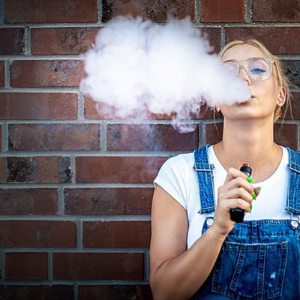
Instead, the device:
1️⃣ Heats e‑liquid (propylene glycol + vegetable glycerin + nicotine + flavors)
2️⃣ Produces aerosol droplets
3️⃣ Delivers nicotine through inhalation and mucosal absorption
📌 No fire = drastically different aerosol chemistry.
Aerosol Formation — From Liquid to Inhalable Droplets
E‑liquid vaporizes at 180–250°C, forming droplets through:
• condensation within the vapor path
• particle growth in cool inhaled air
• interaction with saliva and mucosa
Particle sizes determine where nicotine is absorbed:
Droplet Size Deposition Zone Absorption Speed
1–2 μm Deep lung alveoli Fast
2–4 μm Bronchi & upper lungs Medium
4+ μm Mouth & throat Slower
📌 This is why device power and formulation type change “how it hits.”
Nicotine Forms — Freebase vs Nicotine Salt
Factor Freebase Nicotine Nicotine Salt
Harshness High Low
Strength Used Low‑Medium Very high
Best for Larger devices Compact pods
Sensation “Throat hit” Smooth, cigarette‑like
Absorption Zone Lungs Mouth/throat + lungs
📌 Salt nicotine = faster satisfaction with less irritation.
🔍 Expert Insight
Vaporization gives control over both power and chemistry — creating customized delivery that cigarettes cannot match.
How Fast Does Vapor Deliver Nicotine?
Timing varies by device and inhalation pattern:
Device Type Time to Brain
Combustion cigarettes 7–10 sec
High‑power vapes 10–15 sec
Pod systems / disposables 15–30 sec
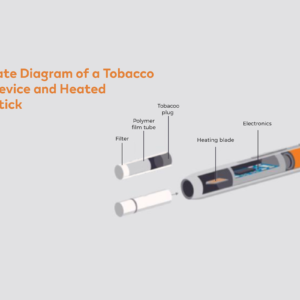
Heated tobacco 10–25 sec
📌 Vapor can match cigarette delivery, especially with salts — without tar.
Device Power, Coil Design & Inhalation Style
Delivery efficiency depends on:
🔥 Coil temperature
🔥 Airflow design
🔥 Puff duration
🔥 Formulation ratio (PG/VG)
🔥 Mouth‑to‑Lung vs Direct‑Lung inhalation
Mouth‑to‑Lung = cigarette‑like experience
Direct‑Lung = high cloud, stronger absorption
Comparison with heated aerosol behavior:
→ https://cigarettesvibe.com/guides/delivery-methods/heated-tobacco-aerosol/
Vapor vs Smoke — Toxicant Exposure Gap
Feature Smoke (Combustion) Vapor (E‑cig)
Tar High None
Carbon monoxide High None
PAHs Present Minimal
Heavy metals Possible Possible
Flavor chemicals Minimal High variability
📌 Vapor ≠ harmless
📌 But vapor ≠ smoke
Related research cluster:
• Toxicant Levels: Cigarettes vs Alternatives
• Secondhand exposure differences
Behavioral Feedback — Managing Nicotine Satisfaction
Compared to cigarettes, vaping allows:
✔️ flexible strength selection
✔️ unlimited puff frequency
✔️ lower irritation at high nicotine levels
This creates two opposite usage patterns:
Behavior Who It Affects Impact
Harm reduction Adult switchers Lower toxin intake
Higher puff frequency New users Increased nicotine intake
📌 Design freedom changes habits, not just chemistry.
Why Some Smokers Say “It’s Not the Same”
Cigarettes combine:
🔥 Sensory impact
🔥 Ritual
🔥 Fast nicotine feedback
🔥 MAO‑inhibitors from smoke
Vaping must retrain the brain to accept:
• different temperatures
• different throat hit
• different pacing
• different sensory cues
FAQ — Expert Quick Answers
Question Answer
Is vaporization safer than smoking? Yes — combustion is the main risk
Does vapor deliver nicotine faster than cigarettes? Sometimes close, rarely faster
Why do disposables feel stronger? Salt nicotine + efficient droplet size
Does vapor cause tar buildup? No — tar only forms from burning
Can vaping fully replace cigarettes? Yes, with correct strength and device style
Final Summary — What Vaporization Changes
✔️ Replaces smoke with aerosol droplets
✔️ Removes tar and CO completely
✔️ Offers flexible strength and faster satisfaction
✔️ Absorption route shifts depending on chemistry
✔️ Behavioral adaptation is required for switch success
📌 Vaporization doesn’t weaken nicotine — it removes the fire behind the harm.
📌 The future of nicotine delivery builds on aerosol — not smoke.
🔗 Recommended Related Reads
• How Combustion Delivers Nicotine
• Absorption Differences Across Devices
• Delivery Speed Across Methods
Why Vaporization Enables Better Harm‑Reduction Control
One of the most important shifts that vaporization introduced into nicotine consumption is control. Cigarette smokers have almost no influence over:
• burn temperature
• puff strength intensity
• smoke chemistry
• nicotine concentration per puff
In vaping, control becomes a user‑driven variable:
Control Factor Who Benefits Harm Reduction Impact
Nicotine level selection Switchers, reducers Lower ceiling for intake
Puff frequency customization Former chain smokers Stabilizes cravings
Device power adjustment Experienced users Tailored absorption and satisfaction
Flavor choice Sensory seekers Distraction from cigarette cues
📌 Vaporization allows gradual behavior change — reducing compulsive dependence step‑by‑step.
This flexibility unlocks health‑positive trajectories like:
• decreasing nicotine strength over time
• switching to less frequent use
• shifting away from inhalation altogether
🧠 Control → Empowerment → Sustained harm‑reduction success
Social and Environmental Differences
Vapor leaves no ash, no smoke smell, no lingering residue — changing how society responds to nicotine consumption.
Factor Cigarettes Vapes
Odor Strong, persistent Rapidly dissipating
Discretion Low High
Litter Toxic filters Minimal waste
Indoor permissibility Rare Sometimes allowed
Environmental impact alone drives millions away from combustion:
• No microplastics from filters
• No smoldering flames
• Lower fire hazard
For public spaces and multi‑user environments, vaporization is fundamentally more compatible with modern living.
Why Vaporization Still Triggers Debate
Even though combustion is removed:
⚠️ Vapor can deliver very high nicotine doses, especially with salt formulas
⚠️ Long‑term research is still developing
⚠️ Flavor regulation continually evolves
⚠️ Youth uptake remains a priority policy concern
But regulatory focus is shifting from:
❌ “Ban vs allow”
✔️ “Optimize adult transition away from cigarettes”
📌 When vaping is used to replace, not accompany smoking — harm reduction becomes real.
Strengthened Final Summary (Extended)
✔️ Vapor uses aerosolized droplets, not smoke
✔️ No tar, no carbon monoxide — two biggest toxic factors removed entirely
✔️ Delivers nicotine effectively enough for adult smokers to switch
✔️ Flexible strengths allow adaptive harm reduction
✔️ Behavioral satisfaction can mirror cigarette experience
✔️ Environmental footprint is drastically lower
✔️ Future advancements will optimize safety without reducing efficiency
🧩 The fundamental takeaway:
Vaporization doesn’t weaken addiction support — it removes the burning mechanism behind the harm.
🔥 Rapid innovation continues to push vapor technology toward:
• safer materials
• smarter sensors
• precise dose control
• better satisfaction for full‑time switchers
The transition from smoke to aerosol is not just a product shift — it is an evolution toward a smoke‑free nicotine future.