

How Heated Tobacco Aerosol Works — The Fusion of Tobacco & Technology
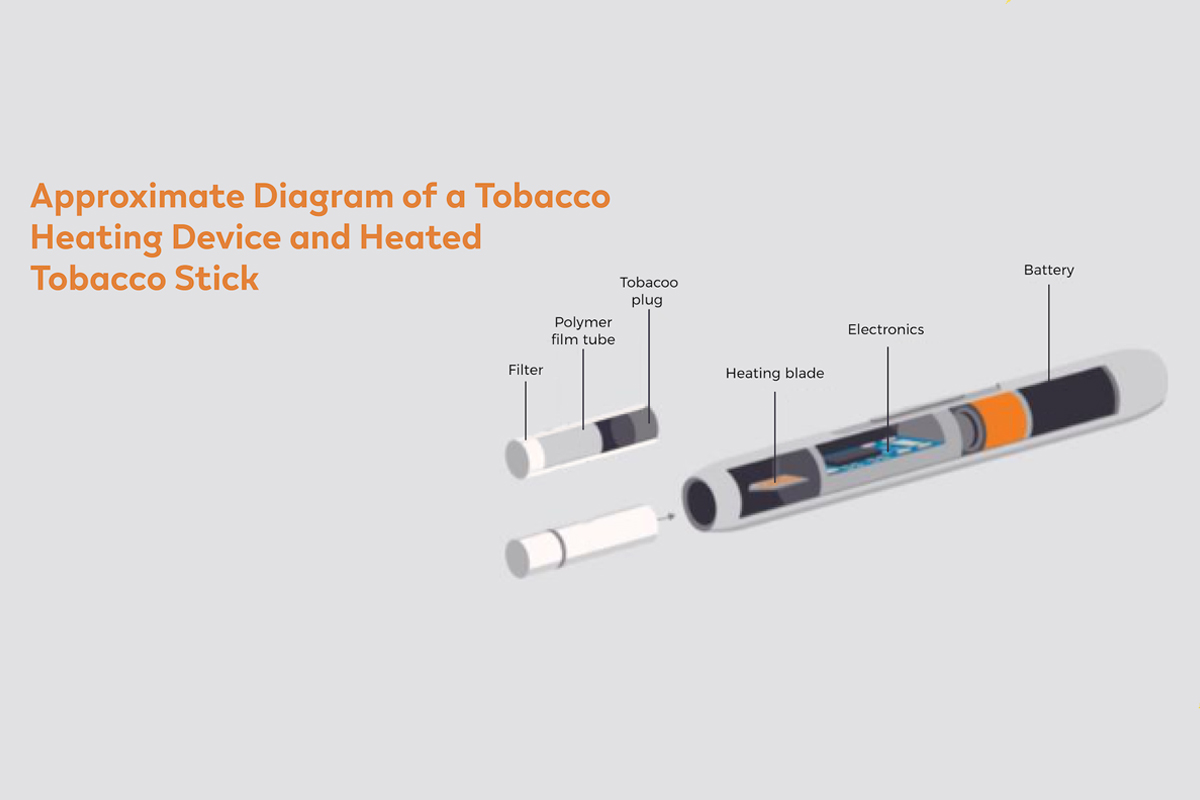
Heated tobacco products (HTPs) create nicotine aerosol without burning tobacco. Instead of flames and smoke, they use precise heat‑control to extract nicotine and flavor compounds while minimizing harmful toxicants produced during combustion.
- How Heated Tobacco Aerosol Works — The Fusion of Tobacco & Technology
- Why Heat Instead of Burn?
- Step‑by‑Step — How Aerosol Is Created
- Blade vs Induction Heating — What Changes?
- What the Aerosol Is Made Of
- Absorption Pathway — Similar to Smoke, Less Damage
- Tar & Chemical Reduction Explained
- Sensory Response — Why Smokers Find It Familiar
- Market Reality — Why HTPs Keep Growing
- FAQ — Heated Tobacco Aerosol
- Final Summary — Where Aerosol Stands Between Smoke & Vapor
- Where Heated Tobacco Fits in the Global Harm‑Reduction Roadmap
- Sustainability Advantage — Beyond Health
- What Still Needs Improvement
📌 No fire = less chemical breakdown = less toxic exposure
This article explains the complete process:
• The three heating phases
• Aerosol formation & lung absorption
• Device engineering differences (blade vs induction)
• Toxicant reduction vs cigarettes
• Real‑world usage and harm‑reduction role
Internal interlinks throughout support deeper research.
Why Heat Instead of Burn?
Cigarettes burn tobacco at 650–900°C.
HTPs heat it to ~250–350°C.

Process Cigarettes Heated Tobacco
Temperature Very high Controlled
State change Combustion (fire) Aerosol generation
Output Smoke + tar Nicotine aerosol
Main toxins PAHs + CO + tar Greatly reduced
Toxicant comparison across products
📌 Lower temperature = fewer harmful chemicals
📌 Tobacco taste remains because it’s still real tobacco
That’s the “middle ground” that attracts smokers.
Step‑by‑Step — How Aerosol Is Created
HTPs operate in three thermal phases:
Phase 1 — Warming
Nicotine softens and begins to distill
Phase 2 — Aerosol Generation
Nicotine + flavor compounds release into vapor droplets
Phase 3 — Stabilized Heating
Consistent puff experience, controlled extraction
This preserves:
• tobacco aromas
• nicotine form naturally found in the leaf
• less irritation compared to cigarettes
Blade vs Induction Heating — What Changes?
Technology Example How it Works Sensory Impact
Heating blade IQOS 3 DUO Heats from inside the stick Warmer aerosol, more throat hit
Induction heating IQOS Iluma Magnetic field heats tobacco core Smoother draw, temperature precision
📌 More stable heating = more consistent nicotine delivery
What the Aerosol Is Made Of
Heated tobacco aerosol contains:
Component Origin Function
Nicotine Tobacco leaf Primary active stimulant
Glycerol & Water Stick formulation Carrier for aerosol droplets
Aroma compounds Tobacco & added flavors Taste and sensory profile
Minimal toxicants Side‑reaction byproducts Greatly reduced vs cigarettes
Up to 90–95% fewer major harmful components found in smoke.
Absorption Pathway — Similar to Smoke, Less Damage
Like cigarettes, heated tobacco aerosol reaches:
✔️ deep lungs
✔️ bloodstream
✔️ brain in ~10–25 seconds
Absorption dynamics comparison
📌 Faster than most vaping systems — more satisfying for smokers switching.
🔍 Expert Insight
Heated tobacco is designed not just to reduce harm — but to preserve the cigarette experience without fire.
Tar & Chemical Reduction Explained
Without combustion, these high‑risk categories drop dramatically:
• Carbon monoxide
• Tar
• Polycyclic aromatic hydrocarbons (PAHs)
• Benzene and aldehydes
But heated tobacco still contains:
⚠️ nicotine
⚠️ tobacco‑derived nitrosamines (TSNAs)
⚠️ smaller amounts of combustion‑adjacent toxicants
📌 Harm is reduced — not eliminated
Sensory Response — Why Smokers Find It Familiar
Nicotine delivery is only half the experience.
HTPs deliberately mimic:
• cigarette draw resistance
• warmth at the throat
• visible exhale
• tobacco aroma
• session length (approx. 6 minutes)
This preserves ritual reinforcement, a key driver of cigarette dependence.
Market Reality — Why HTPs Keep Growing
Drivers of rapid adoption:
Consumer Benefit Reason
Cigarette‑like feel Physical + ritual familiarity
Reduced odor Social comfort
Better indoor usability Less lingering byproducts
Regulatory advantages Lower excise in many markets
📌 HTPs are the first alternative many smokers accept
FAQ — Heated Tobacco Aerosol
Question Expert Answer
Is it safe? No — but far less harmful than smoke
Does it contain tar? Very small amounts vs cigarettes
Does it taste like smoking? Closer than vaping
Why is the draw limited to 14 puffs? Heat‑management + ritual design
Can it help smokers switch? Yes, especially heavy smokers
Final Summary — Where Aerosol Stands Between Smoke & Vapor
✔️ No fire, drastically fewer toxicants
✔️ Real tobacco flavor preserved
✔️ Nicotine absorption fast enough to replace smoking
✔️ Strong ritual reinforcement for switching success
✔️ Still not risk‑free → nicotine and some toxicants remain
✔️ Positioned between smoking and vaping in both harm and feel
📌 Heated tobacco is the bridge that gets smokers away from fire.
🔥 From smoke → to heat → to full smoke‑free progress
🔗 Recommended Related Reads
• Smoking vs Heated Tobacco — Scientific Comparison
• HEETS Full Guide
• IQOS Heating Technology
Where Heated Tobacco Fits in the Global Harm‑Reduction Roadmap
Heated tobacco products occupy a uniquely strategic position in the transition away from smoking:
📌 They maintain familiar experience → higher switch success
📌 They reduce toxic exposure → meaningful health improvements
📌 They preserve tobacco identity → minimal psychological resistance
Many public health frameworks now consider staged transition:
1️⃣ Switching from cigarettes → heated tobacco
2️⃣ Stabilizing usage with lower exposure
3️⃣ Gradual reduction of nicotine dependence or transition to vaping
4️⃣ Long‑term minimization of inhalation behavior
This staged model acknowledges:
✔️ quitting smoking is behavioral
✔️ quitting nicotine is neurological
✔️ both take different timelines
HTPs serve as the first major step in this journey.
Sustainability Advantage — Beyond Health
Filter waste is one of the world’s largest microplastic sources.
Heated sticks eliminate:
• plastic‑based cigarette filters
• burning‑related environmental hazards
• ash disposal requirements
Even if heated sticks generate waste, it is:
✔️ smaller
✔️ more contained
✔️ non‑combustion based
Governments are beginning to recognize this:
Reducing combustion reduces both medical and environmental burden.
📌 Eliminating fire helps both lungs and cities.
What Still Needs Improvement
Heated tobacco is not a final solution. Areas of ongoing innovation:
Challenge Impact
Flavor complexity Not yet fully cigarette‑like
Battery limitations Shorter session support
Stick waste Still generates refuse
Regulatory inconsistency Market uncertainty
Long‑term studies Still limited
Consumers often combine:
• HTPs at home
• cigarettes socially
• vapes for convenience
📌 Dual‑use reduces harm less effectively.
The key = complete switch from smoking.
Extended Final Summary Update
✔️ Aerosol replaces smoke — the most critical step in harm reduction
✔️ Device engineering ensures peak nicotine satisfaction
✔️ Lower toxicants support health improvements among switchers
✔️ Ritual and feel enable realistic cigarette replacement
✔️ Heated tobacco accelerates decline in smoking rates
✔️ Environmental benefits strengthen adoption in public policy
📌 Heated tobacco is not the endgame — it is the turning point.
It stands at the center of a massive transformation:
🔥 from fire → heat → vapor → clean nicotine options
HTPs are the bridge technology that makes change possible
for millions of adult smokers who struggle with alternatives.