

Harm Reduction — A Scientific Framework for Lower‑Risk Nicotine Use
Tobacco harm reduction (THR) acknowledges a simple fact:
- Harm Reduction — A Scientific Framework for Lower‑Risk Nicotine Use
- Hierarchy of Risk — Scientifically Established
- Why Combustion Is the Problem
- Alternatives Replace Smoke, Not Nicotine
- The Harm Reduction Triangle
- Consumer Switching Patterns — A Realistic Timeline
- The Role of Regulation in Harm Reduction
- Public Health Debate — Misconceptions vs Data
- Final Summary — Harm Reduction Is Modern Tobacco Science
- Harm Reduction as a Long‑Term Public Health Strategy
- Harm Reduction Supports Those Who Cannot Quit Immediately
- The Economic Impact of Reducing Combustion
- The Realistic Vision of a Smoke‑Free Future
📌 People smoke for nicotine — but die from the smoke.
Nicotine itself does not cause cancer, COPD, or heart disease.
The combustion of tobacco produces thousands of toxic byproducts — including tar, CO, and carcinogenic polycyclic aromatic hydrocarbons.
THR aims to:
• maintain nicotine delivery
• minimize exposure to toxic combustion products
• support long‑term behavioral transition

Hierarchy of Risk — Scientifically Established
Risk levels arranged by temperature + toxic output:
Nicotine Product Type Risk Level Why
Cigarettes 🔥 Highest Combustion = tar + CO
Unfiltered cigarettes Highest+ Maximum delivery of smoke
Heated tobacco Medium‑low Aerosol without burning
Vape products Low Vaporization at lower temperatures
Nicotine pouches / gum Very low No inhalation route
Comparison of toxicant reduction
📌 Lower heat = lower risk
Why Combustion Is the Problem
Burning tobacco at 650–900°C generates:
• 7000+ chemicals
• 70+ confirmed carcinogens
• carbon monoxide exposure
• tar deposition in lungs

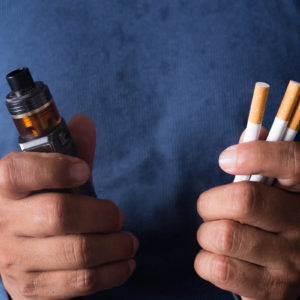
🔥 Remove fire → remove most harm
Alternatives Replace Smoke, Not Nicotine
Method Fire Nicotine Safety
Smoking Yes Yes ❌
Heated Tobacco No Yes ✔️ Partial
Vaping No Yes ✔️✔️ Best option for adult switchers
📌 Harm reduction = changing delivery method, not removing nicotine immediately
The Harm Reduction Triangle
Harm reduction succeeds when three requirements are satisfied:
1️⃣ Harm reduction through no burning
2️⃣ Cigarette‑level satisfaction for the brain
3️⃣ Behavior reinforcement through ritual cues
If even one is missing → relapse happens.
Consumer Switching Patterns — A Realistic Timeline
Research shows most adult smokers shift in phases:
1️⃣ Cigarettes → Heated tobacco
2️⃣ Heated tobacco → Vaping + dual‑use
3️⃣ Vaping full‑time
4️⃣ Nicotine reduction or occasional use
Each phase:
✔️ reduces combustion exposure
✔️ supports gradual withdrawal
✔️ keeps satisfaction intact
📌 Abrupt nicotine removal often fails.
The Role of Regulation in Harm Reduction
Regulators are shifting from:
❌ “Ban nicotine”
to
✔️ “Ban combustion”
Countries increasingly promote:
• reduced‑risk product access
• smoke‑free indoor policies
• flavor rules for youth prevention
• tax incentives for cigarette alternatives
Public Health Debate — Misconceptions vs Data
Misconception Scientific Reality
“Nicotine causes cancer” False — combustion toxins do
“Alternatives just change the addiction” True — but reduce risk dramatically
“Vapes are just as harmful as cigarettes” Completely false
“If it’s not zero risk, it’s bad” Risk must be reduced, not binary
📌 Harm reduction ≠ harmless
📌 Harm reduction = smart risk reduction
Final Summary — Harm Reduction Is Modern Tobacco Science
✔️ Smokers need nicotine — not smoke
✔️ Alternatives reduce toxicant exposure drastically
✔️ Behavioral compatibility determines switch success
✔️ The future is combustion‑free nicotine
✔️ Harm reduction saves lives — even if quitting fully is not immediate
Transformation path:
🔥 Smoking
⬇️
🌡 Heated tobacco
⬇️
💨 Vaping
⬇️
⬜️ Controlled / minimal nicotine use
The transition must be supported, not judged.
📌 Harm reduction is science helping reality — not denying it.
🔗 Recommended Next Reads
• Long‑Term Studies on Non‑Combustion Products
• Misconceptions in Harm Reduction Science
• Secondhand Exposure Across Methods
Harm Reduction as a Long‑Term Public Health Strategy
One of the most misunderstood aspects of harm reduction is timing.
Success isn’t measured by how quickly someone quits smoking — but by how consistently exposure to combustion drops over time.
Progress looks like this:
✔️ fewer cigarettes
✔️ less smoke inhaled per day
✔️ reduced toxin build‑up in lungs and bloodstream
✔️ better respiratory function
✔️ lower overall disease probability
Even partial switching yields measurable benefits:
• lower carbon monoxide levels within days
• improved exercise and breathing capacity within weeks
• reduced cardiovascular stress within months
📌 Every cigarette not smoked is reduced risk — and compounding improvement.
Harm Reduction Supports Those Who Cannot Quit Immediately
Many smokers:
• live with chronic stress
• associate cigarettes with emotional regulation
• have multiple unsuccessful quit attempts
• face strong withdrawal and triggers
• fear losing familiar routines
Traditional “quit or fail” models leave these millions behind.
Harm reduction changes the conversation from:
❌ “If you can’t quit, nothing helps”
to
✔️ “There is a safer way to continue — while you reduce harm”
This shift:
• saves lives
• improves quality of life
• removes stigma
• increases health engagement
📌 Inclusion is a health strategy — not a compromise.
The Economic Impact of Reducing Combustion
Cigarette‑caused diseases create one of the world’s largest medical burdens.
Harm reduction can significantly reduce:
• national healthcare costs
• hospitalization rates
• disability numbers
• smoking‑related mortality
Governments adopting reduced‑risk strategies observe:
📉 lower COPD and cardiac admissions
📉 fewer smoking‑related cancers
📉 higher quit attempts among adults
📈 increased tax efficiency via smoke‑free products
📌 Harm reduction protects both lives and health systems.
The Realistic Vision of a Smoke‑Free Future
Experts don’t expect smoking to disappear overnight — but combustion can.
The realistic future:
1️⃣ Cigarette smoking decreases steadily
2️⃣ Heated tobacco and vaping dominate nicotine intake
3️⃣ Medical nicotine replaces inhalation for many
4️⃣ Some become fully smoke‑free, some fully nicotine‑free
Everyone’s path is different — and that’s acceptable.
The goal is progress, not perfection.
📌 Harm reduction is the roadmap to a smoke‑free generation — step by step.
Final Expanded Summary
✔️ Harm reduction is science meeting reality
✔️ Removing combustion is the fastest way to reduce disease
✔️ Switching to lower‑risk products saves lives even without quitting nicotine
✔️ Supporting smokers increases success — judging them decreases it
✔️ The endgame is not zero nicotine instantly — it is zero smoke
Because:
🔥 Smoke kills.
💨 Nicotine keeps people attached.
🧪 Innovation can separate these two forever.
📌 Harm reduction empowers change rather than demanding it — and that is how real change happens.