

Why Misconceptions Still Exist
Harm‑reduction science advanced fast —
public understanding did not.
- Why Misconceptions Still Exist
- Myth #1 — “Nicotine Causes Cancer”
- Myth #2 — “Vaping is just as harmful as smoking”
- Myth #3 — “Heated tobacco is basically smoking”
- Myth #4 — “If switching is not quitting, it’s useless”
- Myth #5 — “Youth vaping equals youth smoking crisis”
- Myth #6 — “Secondhand vapor is dangerous like smoke”
- Final Summary — Science > Stigma
- How Misconceptions Delay Public‑Health Progress
- The Psychology Behind Misconceptions
- Media vs Science — Opposing Incentives
- A New Era of Tobacco Education
Most confusion comes from:
• mixing up nicotine and smoke
• outdated early vaping research
• youth panic overshadowing adult benefits
• media headlines over scientific evidence
To make rational decisions, we must separate facts from fear.
Myth #1 — “Nicotine Causes Cancer”
Reality:
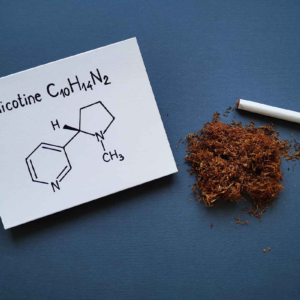
There is no scientific evidence that nicotine causes cancer.
The disease risk comes from combustion toxicants, especially tar and PAHs.
Evidence:
→ Toxicant comparison
→ Nicotine & cancer research
📌 Nicotine = dependence
📌 Smoke = disease
Myth #2 — “Vaping is just as harmful as smoking”
Reality:
Combustion produces thousands of dangerous chemicals. Vapor does not.
Product Relative Harm
Cigarettes 100%
Heated tobacco ~20–40%
Vaping <10%
📌 Saying smoke and vapor are equal → not science, but misinformation
Myth #3 — “Heated tobacco is basically smoking”
Reality:
Heating does not burn tobacco.
This drastically reduces:
• tar
• CO
• carcinogenic smoke particles


📌 Same nicotine satisfaction — but reduced toxin load
Myth #4 — “If switching is not quitting, it’s useless”
Reality:
Every cigarette not smoked:
✔️ lowers carcinogen exposure
✔️ reduces cardiovascular stress
✔️ improves long‑term survival chances
📌 Harm reduction ≠ perfection
📌 Harm reduction = progress
Myth #5 — “Youth vaping equals youth smoking crisis”
Reality:
Non‑smoking youth vaping is a risk — but:
• youth smoking rates keep falling where vaping is legal
• most youth vapers were already smoking or at‑risk
• adult smokers benefit massively from availability
📌 Protect youth ✔️
📌 Denying adults harm‑reduced options ✘
Myth #6 — “Secondhand vapor is dangerous like smoke”
Reality:
Air‑quality data shows minimal exposure from vapor aerosols.
📌 Smoke lingers and sticks
📌 Vapor dissipates rapidly
Final Summary — Science > Stigma
✔️ Misconceptions often confuse risk with existence of any risk
✔️ Non‑combustion products drastically reduce harm
✔️ Switching improves health even if nicotine remains
✔️ Innovation makes smoke obsolete, not nicotine
✔️ Public‑health success requires truthful information
📌 Knowledge saves lives — misinformation postpones progress
The real message:
Harm reduction respects reality — while leading people away from the fire that kills them.
🔥 The fewer cigarettes burned → the more lives saved.
🔗 Recommended Internal Linking
• Smoking vs Heated Tobacco
• Addiction Potential Across Methods
• Absorption Speed Differences
How Misconceptions Delay Public‑Health Progress
Misinformation has consequences.
When adults who smoke are told:
❌ “Alternatives are just as harmful”
❌ “If you can’t quit completely, don’t bother switching”
❌ “Nicotine itself is the enemy”
…the predictable result is:
• smokers keep smoking
• combustion exposure continues
• premature disease and deaths remain high
📌 The barrier to harm reduction is often fear, not science.
The Psychology Behind Misconceptions
The human brain tends to think in binary:
Good vs Bad
Safe vs Dangerous
Clean vs Dirty
Harm reduction introduces a third category:
➜ Less harmful
This creates cognitive discomfort:
• People assume “not harmless” = “equally harmful”
• Big numbers (like “thousands of chemicals”) trigger fear
• Headlines outperform nuanced scientific explanation
Public health must shift messaging to:
✔️ risk gradation
✔️ informed choice
✔️ realistic improvement
Because perfection is rarely the starting point of success.
Media vs Science — Opposing Incentives
Media incentives:
• drama
• fear
• controversy
• viral headlines
Science incentives:
• nuance
• accuracy
• time
• skepticism
The public sees:
🔥 “VAPING KILLS!”
instead of:
🧪 “Switching from smoking greatly reduces harm, long‑term follow‑ups ongoing.”
📌 When communication fails — smoking prevails.
A New Era of Tobacco Education
Correcting misconceptions requires:
• transparent risk communication
• clear hierarchy of harm
• separating youth protection from adult harm reduction
• acknowledging addiction complexity
Smokers deserve truth, not judgment.
Education needed:
✔️ for doctors
✔️ for smokers
✔️ for policymakers
✔️ for media
✔️ for families who want to help
Because stigma never helped anyone quit.
Final Extended Takeaway
✔️ Myths keep people stuck in the most dangerous behavior
✔️ Science shows combustion is the real enemy
✔️ Smoke‑free alternatives reduce toxic exposure massively
✔️ Nicotine without smoke = harm collapses
✔️ Switching isn’t failure — it’s survival
📌 The correct message:
Harm reduction is not about saying “yes” to nicotine — it’s about saying no to smoke, in the real world, for real people.
🔥 When we remove fire from nicotine delivery,
we remove fire from the future of health.