

Nicotine Absorption — The First Step of Addiction and Satisfaction
Nicotine absorption determines:
• satisfaction speed
• craving control
• dependence strength
• success of cigarette alternatives
- Nicotine Absorption — The First Step of Addiction and Satisfaction
- How Nicotine Enters the Body — Route Matters Most
- Lung Delivery — The Reason Smoking Feels “Instant”
- Why Vapor Absorbs Differently
- Brain Interaction — The Dopamine Loop
- Metabolism — Why Some People Need More Nicotine
- Absorption Differences = Different Addiction Profiles
- Final Summary — Understanding Absorption Unlocks Harm Reduction
- Why Absorption Speed Determines Switching Success
- Absorption Efficiency Impacts Health Outcomes
- The Personalized Approach — One Size Does Not Fit All
📌 If nicotine arrives too slowly → cravings continue
📌 If nicotine arrives fast enough → switching succeeds
How Nicotine Enters the Body — Route Matters Most
Route Products Speed Impact
Inhalation (lungs) Smoking, Heated Tobacco, Vaping Fastest Strong reinforcement
Buccal absorption Pouches, gum Slow Gradual relief
Gastric absorption Accidental swallowing vape e‑liquid Very slow Little effect
📌 Lungs = addiction engine
Mouth = maintenance zone
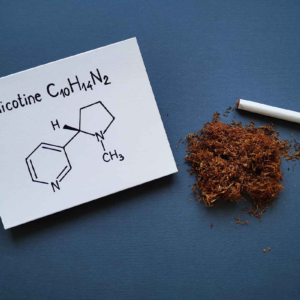

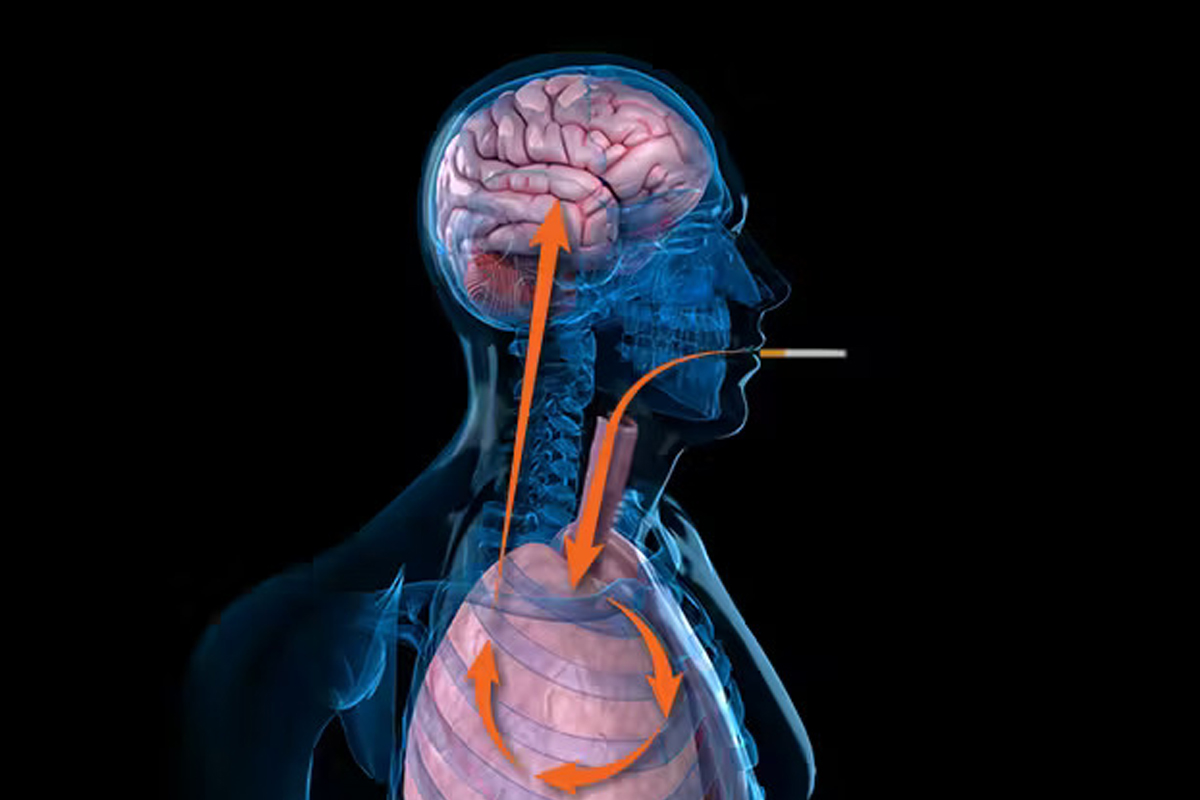
Lung Delivery — The Reason Smoking Feels “Instant”
Deep lung inhalation triggers:
1️⃣ Nicotine dissolves into alveoli
2️⃣ Enters bloodstream immediately
3️⃣ Hits brain in 7–10 seconds for cigarettes
4️⃣ Dopamine releases → satisfaction arrives
Heated tobacco & vaping are slightly slower:
Product Approx. speed to brain
Cigarettes 7–10 sec
Heated tobacco 10–25 sec
Vaping 10–40 sec
📌 Speed = the foundation of quitting success

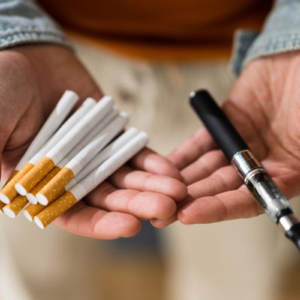
Why Vapor Absorbs Differently
Vapor particles are:
• smaller
• cooler
• more hygroscopic
Nicotine must dissolve in mucosal membranes before reaching the lungs:
→ Slightly slower = different “feel”
→ Satisfaction may require more frequent puffs
This is why salt nicotine exists:
• optimized for rapid absorption
• cigarette‑like throat feel
• better craving suppression
Brain Interaction — The Dopamine Loop
Nicotine binds nicotinic acetylcholine receptors:
Effects:
✔️ reward
✔️ tension relief
✔️ improved attention
✔️ emotional control
📌 Satisfaction is neurochemical, not mental weakness
Metabolism — Why Some People Need More Nicotine
Liver enzyme CYP2A6 breaks nicotine into:
→ Cotinine → 3‑Hydroxycotinine → excreted in urine
Half‑life: ~2 hours
Rapid metabolism traits:
• more cravings
• stronger withdrawal
• higher relapse risk
Slow metabolism traits:
• lighter consumption
• easier quitting attempts
📌 Genetics alone can determine switching success
Absorption Differences = Different Addiction Profiles
Property Cigarette HTP Vapor Oral
Spike height Very high High Medium Low
Spike time Fastest Fast Moderate Slow
Reinforcement Strongest Strong Medium Mild
📌 Smoking delivers the fastest spike
Alternatives should meet expectations, then reduce intensity
Final Summary — Understanding Absorption Unlocks Harm Reduction
✔️ Nicotine works because brain delivery is rapid
✔️ Smoking is addictive mostly due to speed, not dose
✔️ Heated tobacco maintains speed with fewer toxicants
✔️ Vaping offers cleaner delivery with slower spikes
✔️ Oral products support long‑term control
✔️ Genetics influence dependence strength
📌 Harm declines the moment combustion stops — absorption just adapts
The roadmap:
🔥 Instant spike (smoking)
⬇️
🌡 Slightly slower spike (heated tobacco)
⬇️
💨 Controlled absorption (vaping)
⬇️
⬜️ Minimal reinforcement (oral, tapering)
From fast damage → to slow relief → to long‑term health recovery.
Internal Linking
• Nicotine Chemical Structure
• Dependence Science
Why Absorption Speed Determines Switching Success
A critical — often underestimated — element of harm reduction is the behavioral comfort of nicotine delivery. Most smokers are not just addicted to nicotine; they are dependent on:
• the timing of relief
• the feel of inhalation
• the rhythm of puffs
• the immediate dopamine hit
If switching feels weaker or slower, the brain interprets it as a failure — triggering relapse.
This is why:
✔️ Heated tobacco successfully transitions heavy smokers
✔️ Vaping requires correct nicotine strength and puffing style
✔️ Oral products work best as a supplement, not first-line replacement
📌 It’s not the nicotine amount — it’s the arrival experience.
Absorption Efficiency Impacts Health Outcomes
Switching away from combustion is scientifically proven to:
• reduce toxicant intake immediately
• lower carbon monoxide exposure within days
• improve cardiovascular markers within months
• reverse airway damage over years
But here is the critical link:
➡️ Better absorption → fewer cravings → fewer cigarettes → greater health improvement
Absorption efficiency determines how quickly smoke disappears from daily life.
The Personalized Approach — One Size Does Not Fit All
Different smokers require different strategies:
Smoker Type Best Switching Path
Strong, habitual inhaler Heated tobacco first
Flavor‑oriented Vaping with curated profiles
Light/social smoker Direct vaping transition
Fast metabolizer Higher nicotine strength initially
Anxiety‑triggered smoker Smooth delivery + behavioral support
📌 Understanding your brain + your body creates sustainable change
No stigma. No unrealistic rules.
Just improved biology and better choices.
Extended Final Statement — Replace the Fire, Not the Person
Nicotine absorption science helps us design:
✔️ cleaner delivery
✔️ personalized satisfaction
✔️ lower‑harm consumption
✔️ smarter transitions
✔️ sustained smoke‑free living
People don’t smoke because they love combustion.
They smoke because nicotine arrives fast.
🔥 Remove fire
🧠 Keep relief
💨 Change the future
Because success in harm reduction is measured not by who quits instantly,
but by how many people stop inhaling smoke forever.