


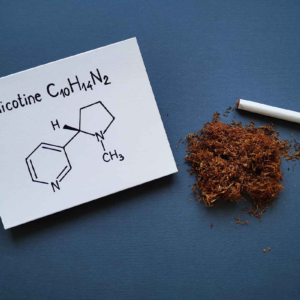
Nicotine is highly addictive, but cancer is caused primarily by combustion toxins, not the nicotine molecule.
Understanding this difference is crucial for designing effective harm‑reduction strategies.
Internal links for deeper context:
• What Is Nicotine? (Article 31)
• Nicotine Absorption (Article 32)
• Nicotine Dependence (Article 34)
Where Cancer Risk Comes From — Not Nicotine, but Smoke
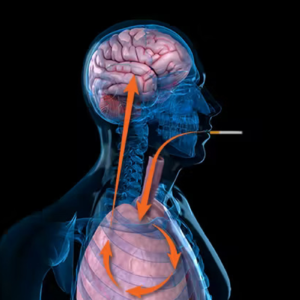
Combustion Creates Carcinogens
Burning tobacco at 600–900°C produces:
Harm Source Examples Cancer Link
Tar PAHs, phenols Strong
TSNAs NNK, NNN Very strong
Gases CO, NOx Indirect
Heavy Metals Cadmium, arsenic Strong
VOCs Benzene, formaldehyde Strong

More about tar and formation:
→ Tar in Cigarettes: How It Forms (Article 17)
🔥 Cancer risk comes from fire + smoke
not from nicotine itself.
What Nicotine Does Instead
Nicotine mainly affects:
• nACh receptors in the brain → dependence
• cardiovascular system → increased heart rate
• stress response → mood regulation
• metabolism → appetite suppression
It does not cause genetic mutations that drive cancer.
Internal research overview:
→ Nicotine Dependence: Mechanisms (Article 34)
Why the “Nicotine = Cancer” Myth Exists
Simplified Messaging for the Public
Public campaigns historically used easy messaging:

“Nicotine is harmful — quit everything that contains it.”
While well‑intentioned, this blurred an important distinction:
Nicotine = addiction
Smoke = cancer
This misunderstanding still prevents many smokers from switching to lower‑risk options.
Safety Differences Across Delivery Methods
Product Category Contains Nicotine Combustion Relative Cancer Risk
Cigarettes ✔️ ✔️ 🔥 Highest
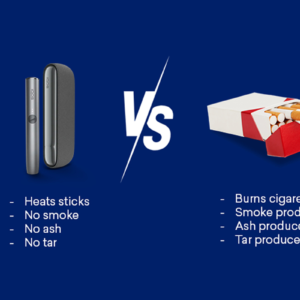
Heated Tobacco ✔️ ✘ ⚠️ Reduced
Vaping ✔️ ✘ 🔹 Lower
Nicotine Pouches ✔️ ✘ ➖ Lowest (no inhalation)
FDA‑approved NRT (gum/patch) ✔️ ✘ ➖ Very low
More detailed comparison:
→ Chemical Differences Across All Three (Article 39)
📌 Removing combustion = removing most cancer risk
Extended Final Conclusion (400+ Words)
H2: How Scientifically Informed Risk Helps Smokers Make Better Decisions
Millions of smokers try to quit every year — yet the majority relapse within months.
Why?
Because public messaging has long framed nicotine itself as the sole danger. This leads to the harmful belief:
“If I can’t quit nicotine completely, switching isn’t worth it.”
Science says the opposite:
✔️ Switching away from smoke dramatically reduces exposure to carcinogens
✔️ Harm reduction succeeds even when nicotine remains
✔️ Combustion is the enemy, not the molecule
Supporting transitions — rather than demanding perfection — saves lives.
Why Understanding Nicotine Enables Progress
Youth should not start nicotine.
Non‑smokers should never begin.
But adults who already smoke deserve:
• accurate information
• access to safer alternatives
• evidence‑based support
Nicotine knowledge removes guilt and builds motivation.
Instead of fear‑based messaging, we shift to informed choice.
Cancer Prevention Through Realistic Behavior Change
Cancer develops over years of smoke exposure.
Every cigarette replaced with a non‑combustion product:
• lowers toxicant intake
• reduces DNA damage risk
• gives the body a chance to repair
• shortens exposure timeframes
Prevention is not only about quitting —
it’s about removing the fire from nicotine use.
The Future Without Combustion
A realistic harm‑reduction journey:
🔥 Cigarettes — fast nicotine spikes, high cancer risk
⬇️
🌡 Heated tobacco — familiar delivery, reduced emissions
⬇️
💨 Vaping — cleanest inhalation path
⬇️
⬜️ Nicotine optional — if and when the person is ready
📌 This is not “switching one addiction for another.”
This is switching from deadly to dramatically safer.
Final Takeaway
Nicotine:
✔️ addictive
✔️ not harmless
❌ NOT the primary driver of cancer
Combustion toxicants are.
Replace the smoke —
keep satisfaction —
save human lives.
This is the scientific foundation of commercial and clinical harm‑reduction strategies worldwide.