


This review covers everything adults need to know: performance, toxicant exposure, nicotine delivery, and its place in modern harm‑reduction science.
- How IQOS 3 DUO Heats Tobacco
- Design & User Experience — What to Expect
- Tactile Experience — Flavors & Tobacco Sticks
- Battery, Charging & Performance
- Toxicant Exposure & Scientific Benefits vs Smoking
- Device Maintenance — Important for Performance
- Who Usually Chooses IQOS 3 DUO?
- Extended Consumer Insights — Based on Research
- Frequently Asked Questions (Neutral Scientific Answers)
- Is IQOS 3 DUO safer than smoking?
- Can DUO help reduce nicotine addiction?
- Does dual‑use provide health benefits?
- Final Evaluation — 2025 Role of IQOS 3 DUO
- Continue the Series — Next Heated Tobacco Device Guide
Comparison against Iluma technology
How IQOS 3 DUO Heats Tobacco
IQOS 3 DUO uses direct‑blade conduction heating:
• The blade penetrates the tobacco stick
• The tobacco reaches controlled temperatures (~350°C)
• Aerosol forms without burning tobacco
What makes heated tobacco different from smoking
Key scientific point:
❌ No combustion → ❌ no tar + ❌ reduced carcinogens
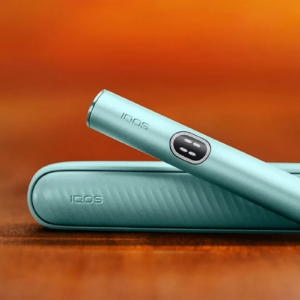
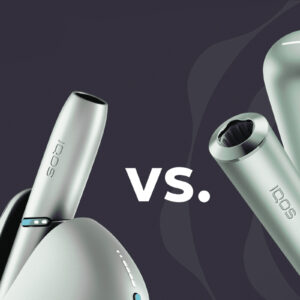
Design & User Experience — What to Expect
Heating Blade System — Pros and Cons
Feature Strength Limitation
Precise heat transfer Consistent tobacco taste Blade can break
Familiar cigarette ritual Supports switching Requires cleaning
Fast nicotine delivery Good satisfaction More maintenance
Comparison with blade‑free systems
Tactile Experience — Flavors & Tobacco Sticks
The IQOS 3 DUO system uses HEETS sticks, also known as HeatSticks.
Flavor guide by aroma families

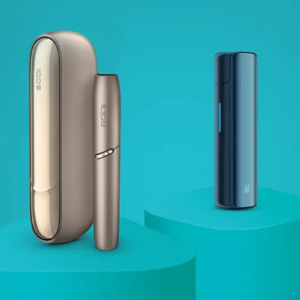
Battery, Charging & Performance
Feature Specification
Full charge capacity 20 stick sessions
Holder charge time ~3.5 minutes
Warm‑up time ~20 seconds
Cleaning Required regularly
📌 DUO = two consecutive sessions per charge inside the holder
Toxicant Exposure & Scientific Benefits vs Smoking
Heated tobacco eliminates combustion →
major reduction in:
• Polycyclic aromatic hydrocarbons (PAHs)
• Carbon monoxide (CO)
• TSNAs (carcinogenic tobacco nitrosamines)
Scientific comparison vs cigarettes
📌 Less harm ≠ zero risk
📌 Full switching from cigarettes is required to benefit
Device Maintenance — Important for Performance
Cleaning Matters
Because the blade penetrates the tobacco:
• residue builds on the heating element
• flavor gradually weakens
• blade breakage risk increases
Who Usually Chooses IQOS 3 DUO?
Group profiles:
✔️ adults who want cigarette‑like tobacco feel
✔️ those who prioritize familiar taste
✔️ smokers transitioning away from combustion
✔️ users in markets where Iluma is not available/affordable
Difference vs vaping satisfaction
Extended Consumer Insights — Based on Research
Adult smokers switching to heated tobacco report:
• less cough and throat irritation
• better indoor acceptability than smoking
• improved breath freshness
• comfort with tobacco aroma
But also note:
• maintenance effort matters
• blade breakage causes frustration
• session limit differs from cigarettes
These feedback patterns show why Iluma’s blade‑free upgrade was introduced.
Frequently Asked Questions (Neutral Scientific Answers)
Is IQOS 3 DUO safer than smoking?
Studies show reduced toxicant exposure vs cigarettes, but not risk‑free.
Can DUO help reduce nicotine addiction?
Not automatically — the ritual remains similar to smoking, sustaining habit reinforcement.
Nicotine dependence explanation
Does dual‑use provide health benefits?
No — dual‑use significantly reduces progress.
Final Evaluation — 2025 Role of IQOS 3 DUO
✔️ Real tobacco experience
✔️ Reduced smoke toxicants
✔️ Strong switching support for adult smokers
✔️ Good sensory satisfaction
But:
✘ more cleaning effort vs Induction systems
✘ blade can break under pressure
✘ slightly slower warm‑up and fewer innovations
📌 DUO is scientifically considered a major improvement over cigarettes,
but technologically now second‑tier behind Iluma.
Understanding the evolution of heated tobacco technology
Continue the Series — Next Heated Tobacco Device Guide
➡️ Article 43: Lil Solid vs IQOS Comparison
📌 DUO is not risk‑free, but it is meaningfully lower risk than smoking — backed by growing scientific evidence.
Harm‑reduction misconceptions explained