

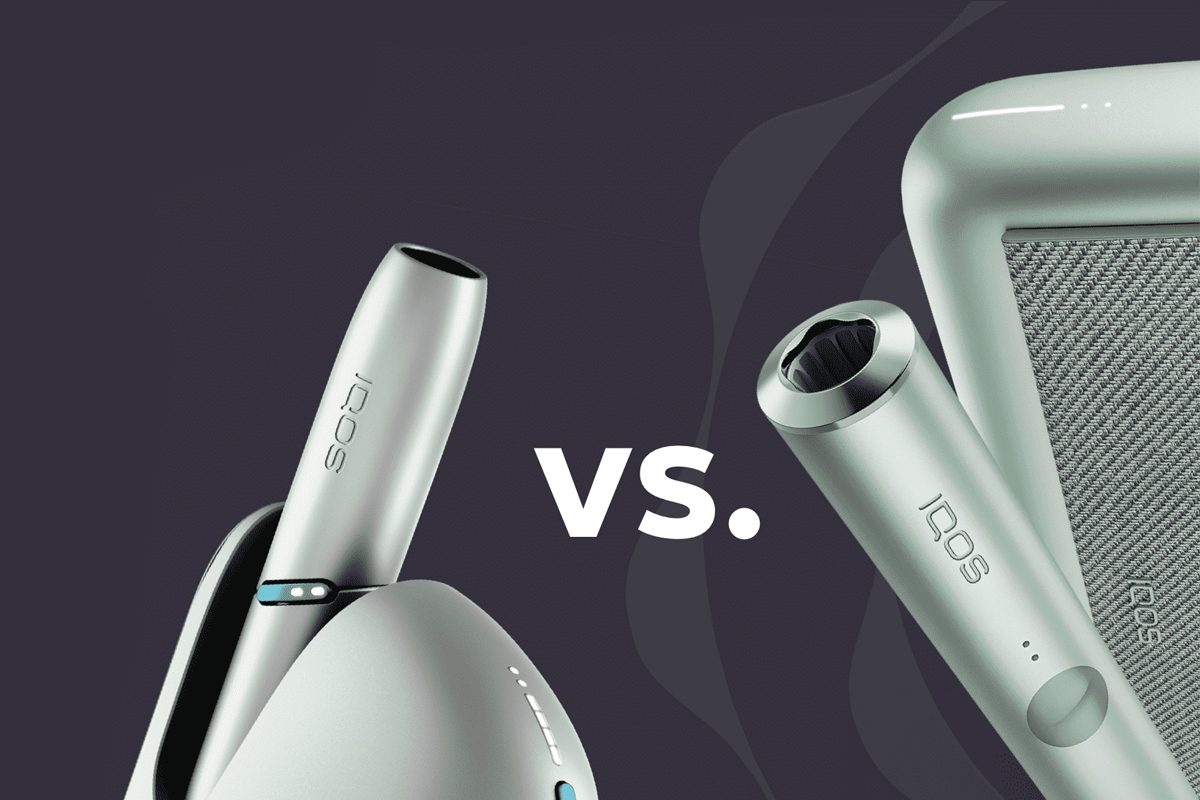
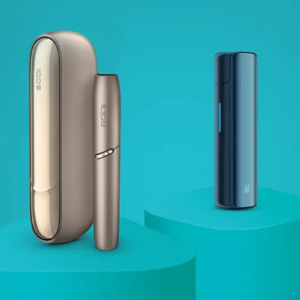
1️⃣ Blade‑based heating devices (e.g., IQOS 3 DUO)
2️⃣ Blade‑free induction heating devices (e.g., IQOS Iluma)
- Blade Technology — Contact Heating Method
- Blade‑Free Induction Technology — Magnetic Heating Evolution
- Scientific Perspective — Exposure & Temperature Control
- User Experience Among Adult Smokers
- Stick Design — HEETS vs TEREA
- Frequently Asked Questions
- Extended Scientific Interpretation — What Heating Method Really Means for Adults Who Smoke
- Real‑World Experiences — What People Switching Away from Cigarettes Report
Understanding the differences helps adult smokers evaluate technical and practical aspects when transitioning away from cigarettes.
Blade Technology — Contact Heating Method
In blade‑based systems, a metal heating blade penetrates the tobacco stick and directly heats it from inside.
Key Advantages
• Quick temperature rise
• Familiar throat sensation
• Stronger tobacco taste for many users
Main Limitations
• Blade is fragile → breakage risk if misinserted
• Requires frequent cleaning of built‑up residue
• Taste inconsistency if not maintained properly
Associated Tobacco Sticks
Blade systems currently use HEETS sticks
Blade‑Free Induction Technology — Magnetic Heating Evolution
Induction systems heat a sealed internal element inside the tobacco stick using magnetic energy, without physical contact.

Key Advantages
✔️ No blade → no breakage
✔️ Less residue buildup
✔️ No internal cleaning required
✔️ Heating stability improves vape consistency
H3: Main Considerations
• Works only with TEREA induction‑engineered sticks
• More complex technology — higher device cost
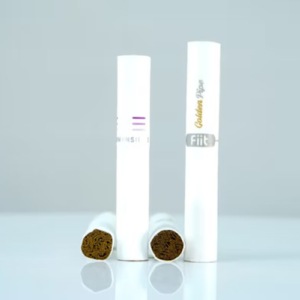
TEREA structure
TEREA compatibility
Scientific Perspective — Exposure & Temperature Control
Removing combustion is the most important factor for toxicant reduction. However, heating variability also plays a role:
Scientific Factor Blade Devices Induction Devices
Temperature accuracy Good Very high
Risk of overheating hotspots Higher Lower
Emission consistency Variable More stable
Smoke vs heated tobacco comparison
📌 Note: Neither category is risk‑free — quitting all products remains the safest option.
User Experience Among Adult Smokers
Feature Blade Heating (e.g., DUO) Induction Heating (e.g., Iluma)
Sensory proximity to smoking Higher High
Device care Frequent cleaning Minimal maintenance
Reliance on blade Yes No
Learning curve Low Low
Consecutive uses 2 Multiple depending on model
Stick Design — HEETS vs TEREA
Aerosol quality and draw resistance vary depending on stick structure.
📌 TEREA sealed design prevents leaving tobacco residue inside devices.
Frequently Asked Questions
Which devices require cleaning?
Blade devices yes → induction devices no.
Which offers lower emissions?
Extended Scientific Interpretation — What Heating Method Really Means for Adults Who Smoke
While both blade and blade‑free heated tobacco technologies aim to reduce exposure to harmful emissions from burning cigarettes, their user pathways differ. Research shows that switching success depends not only on chemistry and temperature but on comfort, ritual stability, and perceived reliability of the device.
Smoke vs Heated Tobacco overview
Blade devices may provide stronger tactile resemblance to cigarettes, potentially increasing satisfaction for adult smokers in the early transition phase. However, ongoing cleaning needs and blade fragility can lead to user frustration — especially among people with lower tolerance for maintenance routines.
📌 Behavioral science conclusion:
A device that feels complicated is more likely to be abandoned → increasing relapse risk into smoking.
Real‑World Experiences — What People Switching Away from Cigarettes Report
Many adult smokers who fully transition to heated tobacco express more positive physical sensations over time, including:
• reduced morning cough
• less shortness of breath during physical activity
• visibly less smoke odor on clothes and indoors
Heated tobacco and lung exposure overview
However, users also describe:
• nicotine dependence remains
• temptation to dual‑use during stress
• learning curve with device operation
This reinforces that heated tobacco is not a cessation product, but a smoke‑free alternative for those who would otherwise continue smoking.