

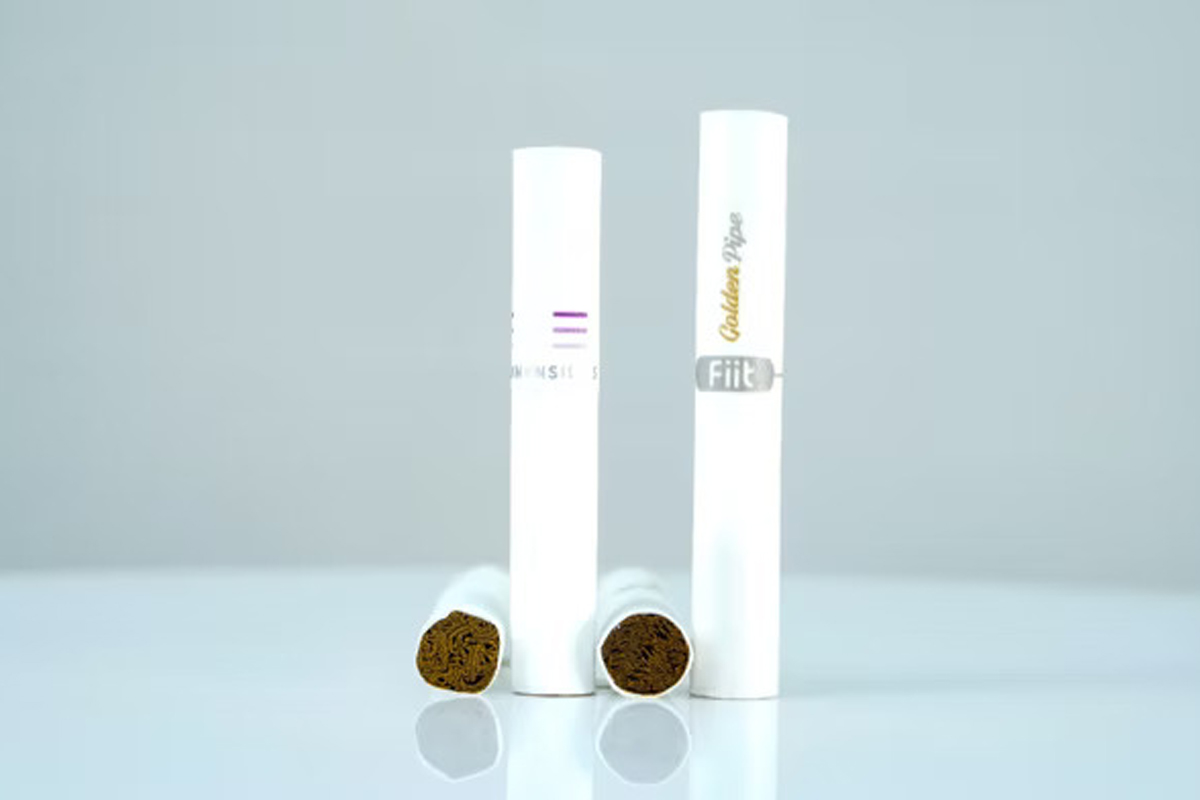
FIIT Sticks — What They Are and How They Work
FIIT sticks are tobacco consumables designed primarily for Lil Solid heated‑tobacco devices.
They deliver nicotine and real tobacco taste but without combustion — meaning no smoke or ash.
- FIIT Sticks — What They Are and How They Work
- What FIIT Sticks Contain — Composition Overview
- FIIT vs HEETS — What’s the Difference?
- Flavor Profiles — FIIT Selection Overview
- Device Pairing — Lil Solid and FIIT Optimization
- Toxicant Exposure — Scientific Understanding
- Switching Behavior — What Adult Users Report
- FAQ — FIIT Sticks
- Extended Insights — FIIT’s Place in the Smoke‑Free Product Portfolio
- Behavioral Research — Satisfaction vs. Harm Reduction Balance
- Technical Interpretation — Why Heat Control Matters for Exposure
- User Feedback — Practical Advantages and Trade‑Offs
- Policy & Market Availability — A Factor in Adoption
- Final Conclusion — FIIT Supports Transition Away from Combustion
📌 FIIT are similar in size and function to HEETS, but with distinct filter design, airflow properties, and nicotine delivery profile.
What FIIT Sticks Contain — Composition Overview
FIIT sticks contain:
• processed tobacco leaf material
• glycerin as an aerosol former
• water and binders
• menthol or other flavor additives (varies by model)
• cellulose acetate filter sections
More about tobacco stick components

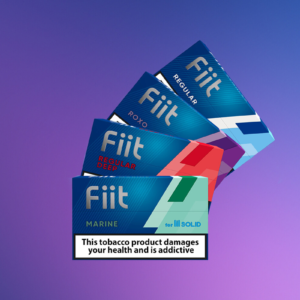
Why Add Glycerin?
It vaporizes under controlled heat → forming aerosol instead of smoke.
Nicotine Delivery
Nicotine is naturally present in tobacco —
but no tar from burning, because there is no fire.
Difference between smoke & heated aerosol
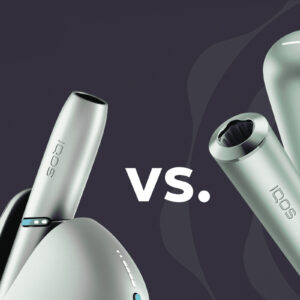
FIIT vs HEETS — What’s the Difference?
Feature FIIT HEETS
Designed for Lil Solid IQOS
Flavor intensity Often stronger Balanced
Airflow Slightly freer Controlled
Availability Depends on region Widely available
Cross‑Compatibility Warning
Some users may attempt to mix brands/devices —
but proper compatibility ensures optimal heating.
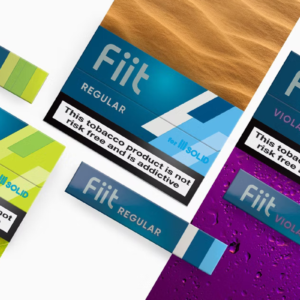

Flavor Profiles — FIIT Selection Overview
Category Example Profiles
Classic tobacco Balanced, tobacco‑forward
Fresh/menthol Cooling sensation + aroma boosters
Fusion blends Fruit‑menthol hybrid tastes
Flavor availability can vary by market and regulation.
Device Pairing — Lil Solid and FIIT Optimization
📌 FIIT sticks are engineered around the rod heating system of Lil Solid.
Advantages:
• longer battery life (25+ sticks per charge)
• lower price of consumables
• less fragile heating pin (vs blade)
Toxicant Exposure — Scientific Understanding
Heating temperatures are lower than cigarette burning temperatures.
Property Cigarette Heated Tobacco
Fire involved Yes No
Tar Very high Strongly reduced
Carbon monoxide High Significantly lower
📌 Still not risk‑free, still contains nicotine, still not suitable for non‑smokers.
Switching Behavior — What Adult Users Report
Positive perceptions:
• easier breathing after full switching
• less irritation and cough
• fewer smoke smells on hands and clothing
Challenges:
• learning device procedure
• temptation to dual‑use during stressful situations
📌 Full switching is key — dual‑use provides limited benefit
FAQ — FIIT Sticks
Do FIIT sticks eliminate risk?
No. They still contain tobacco and nicotine.
Are FIIT cheaper than HEETS?
Extended Insights — FIIT’s Place in the Smoke‑Free Product Portfolio
FIIT sticks underline an important principle in smoke‑free transitions: the alternative must be acceptable enough to replace cigarettes completely. For many adult smokers, switching is not driven purely by toxicant levels but by realistic usability and taste familiarity.
Heated tobacco exists because many adult smokers want:
• real tobacco routines
• structured break times
• consistent nicotine delivery
• less smell and indoor side‑effects
These qualities help prevent relapse into smoking and increase the chances of long‑term switching success.
📌 Toxicant reduction is only meaningful when switching is sustained.
Behavioral Research — Satisfaction vs. Harm Reduction Balance
Scientists studying heated tobacco emphasize that switching outcomes depend on a balance between:
Factor Impact on Switching
Flavor and aerosol feel High
Nicotine satisfaction Very high
Ease of handling High
Maintenance effort Medium
Availability and pricing Very high
📌 FIIT fits well for adults who want practical, affordable, and no‑combustion tobacco intake.
Technical Interpretation — Why Heat Control Matters for Exposure
The primary harm driver in cigarettes is combustion. Heated tobacco significantly reduces toxicant formation by keeping temperatures below burning levels.
Smoke vs heated aerosol science
Lower temperatures mean:
✔️ reduced carbon monoxide
✔️ less tar formation
✔️ fewer harmful products from thermal decomposition
But:
⚠️ exposure is not zero
⚠️ nicotine remains addictive
⚠️ health risks remain present
Best health outcome = quitting all tobacco and nicotine.
User Feedback — Practical Advantages and Trade‑Offs
Adult smokers using FIIT sticks often report:
Positive:
• More consistent heating compared with early HTPs
• Smoother aerosol vs cigarettes
• Noticeably fresher indoor environment
Challenges:
• Strongest flavors may feel unfamiliar initially
• May require multiple trials to find preferred profile
• Reliance on device charging throughout the day
📌 These opinions show that ease of adaptation can affect switching outcomes.
Policy & Market Availability — A Factor in Adoption
In some regions FIIT sticks are:
• more affordable than HEETS
• more widely available than induction sticks
• positioned to increase accessibility for price‑sensitive smokers
This plays a major role in reducing barriers to smoke‑free alternatives.
Public‑health policy focuses on:
✔️ reducing smoking rates
✔️ preventing youth access
✔️ enabling informed choices for adults who smoke
Final Conclusion — FIIT Supports Transition Away from Combustion
✔️ Real tobacco intake without burning
✔️ Designed for accessibility and wider market reach
✔️ Helps reduce exposure compared to smoking if switching fully
✔️ Provides an affordable smoke‑free pathway for adults who smoke
✔️ Not risk‑free — nicotine dependence continues
📌 FIIT sticks are part of a larger move toward smoke‑free harm reduction — aiming to provide practical and scalable alternatives for adults who would otherwise continue consuming cigarettes.