

HEETS Ingredients & Structure — Full Technical Breakdown (2025 Guide)
HEETS are specially engineered tobacco sticks used only in IQOS heated tobacco systems.
Their construction is designed to produce nicotine aerosol without combustion — helping reduce exposure to harmful smoke compounds.
- HEETS Ingredients & Structure — Full Technical Breakdown (2025 Guide)
- Overview of What’s Inside HEETS
- Tobacco Plug — The Core of Aerosol Generation
- Glycerin — The Aerosol Carrier
- Cooling Tube — The Hidden Engineering Inside
- Filter System — Clean and Stable Inhalation Path
- Protective Wrap & Structural Engineering
- HEETS Structure vs Cigarettes — Technical Comparison
- HEETS vs TEREA & Fiit — Engineering Differences
- Final Summary — Structure Defines Smoke‑Free Nicotine Delivery
📌 Appearance is similar to cigarettes — but internal structure is completely different.
Overview of What’s Inside HEETS
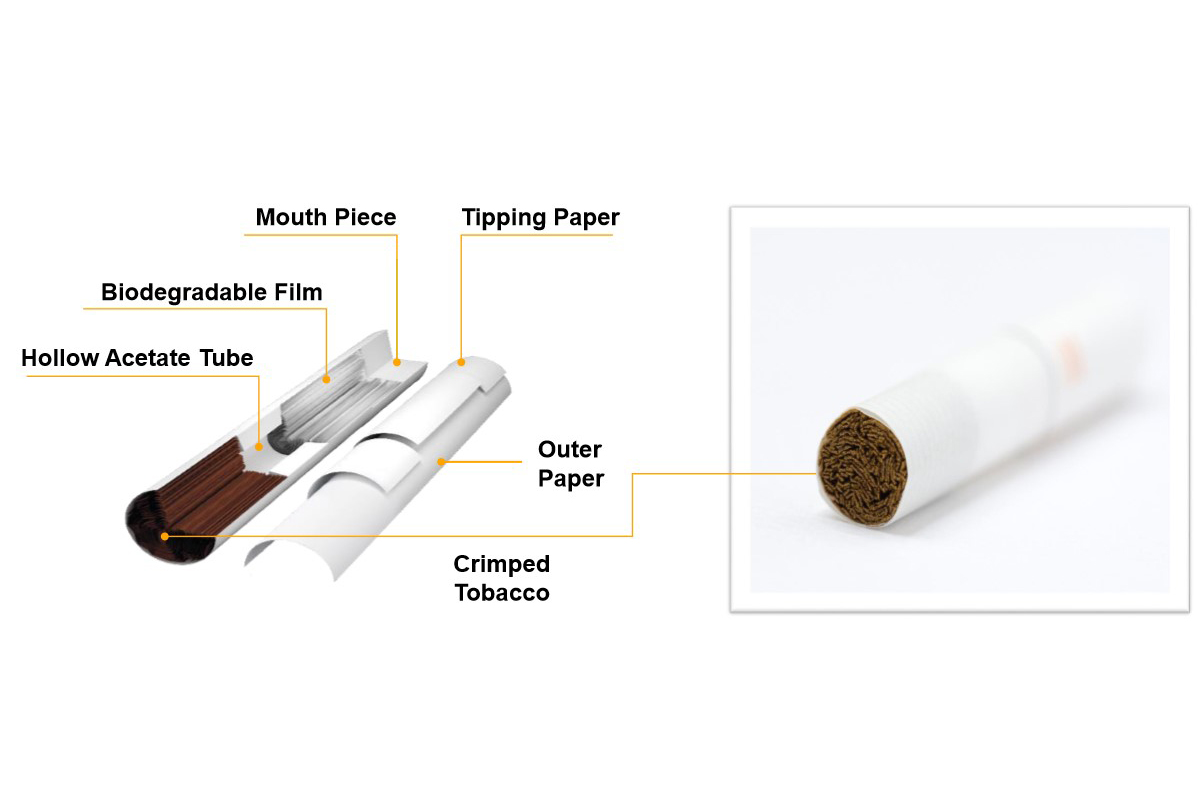
Each HEETS stick contains:
• processed & finely cut tobacco matrix
• humectants (mainly glycerin)
• polymer‑based cooling tube
• multiple filter segments
• protective wrap and paper layers
This design supports consistent heating, not burning.


📌 Controlled aerosol formation → reduced toxicant levels vs smoke.
Tobacco Plug — The Core of Aerosol Generation
HEETS use reconstituted tobacco for:
• uniform moisture distribution
• predictable heating behavior
• controlled nicotine release
Tobacco composition in HEETS is engineered to:
• heat evenly around 300°C
• avoid fire ignition
• reduce combustion byproducts like tar
📌 Smokers feel nicotine delivery similar to cigarettes — but with less smoke toxicant exposure.

Glycerin — The Aerosol Carrier
HEETS include glycerin because it:
• creates visible aerosol when heated
• carries nicotine and aroma
• cools aerosol slightly
• reduces dryness in inhalation
Glycerin converts to vapor — not smoke.
Nicotine absorption differences
📌 This keeps aerosol smoother and less irritating than cigarette smoke.
Cooling Tube — The Hidden Engineering Inside
A hollow polymer tube is located behind the tobacco plug.
Its role:
✔️ reduce aerosol temperature before inhalation
✔️ maintain mouth comfort
✔️ protect from hot particles
This is crucial because heated tobacco aerosol should not feel like burning smoke.
Filter System — Clean and Stable Inhalation Path
HEETS include:
• cellulose acetate mouth‑filter (similar to cigarettes)
• secondary filter layers for aerosol consistency
Filter purpose is different from cigarettes:
• not to trap tar
• yes to regulate temperature and moisture
📌 Filters ensure inhalation comfort — not combustion filtration.
Protective Wrap & Structural Engineering
External layers:
• keep stick rigid during heating
• maintain airflow channels
• prevent user contact with heated tobacco
Paper density differs from cigarettes because it:
• doesn’t sustain a burn
• needs to remain intact during heating cycles
📌 Cigarette papers are engineered to burn — HEETS paper is engineered not to burn.
HEETS Structure vs Cigarettes — Technical Comparison
Component HEETS Cigarettes
Tobacco form Processed uniform matrix Leaf blend
Heating Controlled to prevent fire Burning at >700°C
Aerosol source Glycerin + heated tobacco Smoke from combustion
Filter function Cooling & temperature control Tar reduction attempt
Residue No ash Ash + high tar
Cigarette combustion comparison
📌 Structure changes are designed to reduce smoke‑borne toxins.
HEETS vs TEREA & Fiit — Engineering Differences
Comparisons:
https://cigarettesvibe.com/heated-tobacco/heets/heets-vs-terea/
https://cigarettesvibe.com/heated-tobacco/fiit/fiit-vs-heets/
Feature HEETS TEREA Fiit
Heating method Blade contact Induction Rod heating
Cooling design Polymer tube Smartcore optimized Mixed systems
Aerosol texture Tobacco‑forward Smooth modern Varies by market
📌 HEETS are globally standardized — compatibility is their key strength.
Final Summary — Structure Defines Smoke‑Free Nicotine Delivery
✔️ HEETS use real tobacco, but without burning
✔️ Glycerin provides aerosol instead of smoke
✔️ Cooling and filtering systems protect comfort and consistency
✔️ Paper and engineering prevent combustion
✔️ Structure changes reduce tar and smoke toxicants
✔️ Full benefits only occur when cigarettes are completely replaced
Long‑term switching perspective
📌 Heating changes everything — combustion is where cigarette harm begins.