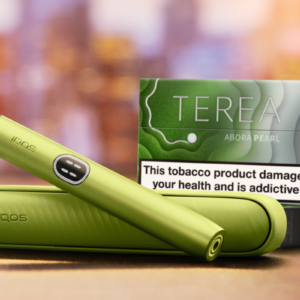


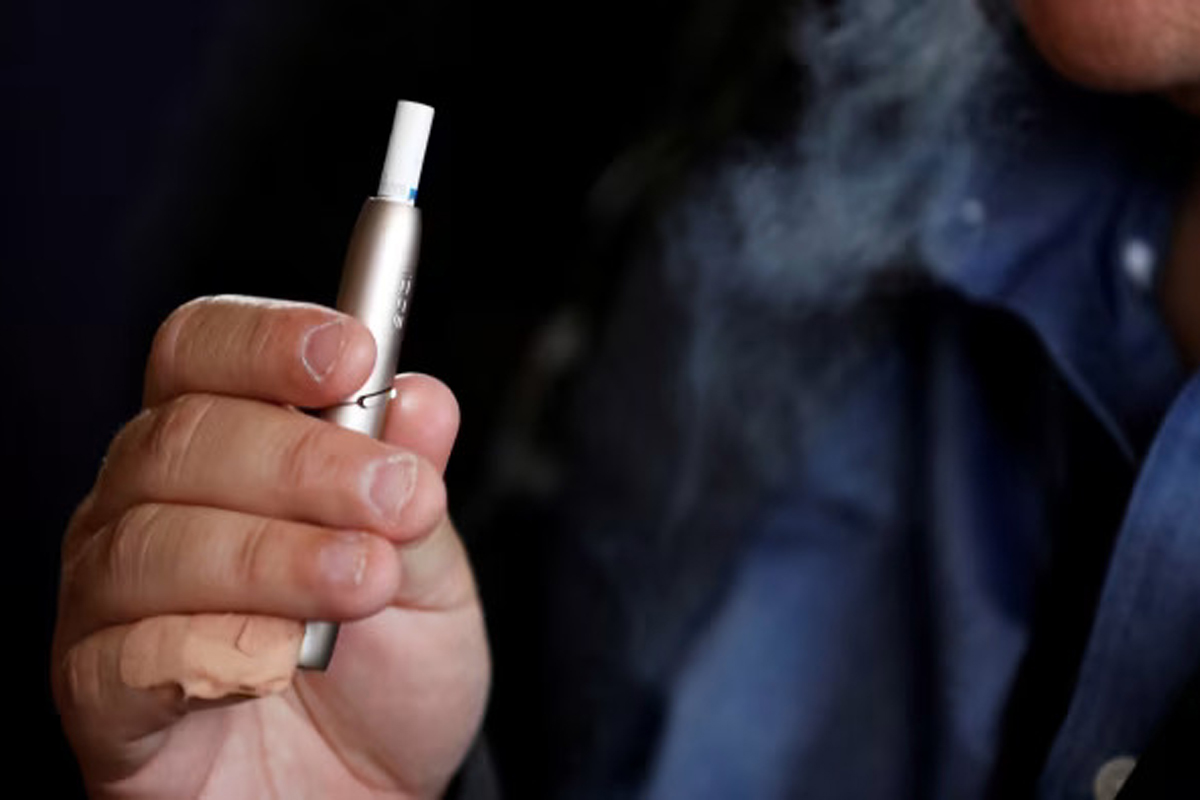
Heated tobacco products, such as IQOS ILUMA and TEREA, are regulated by the U.S. Food and Drug Administration (FDA) as tobacco products — not vaping devices and not traditional cigarettes.
- FDA Classification of Heated Tobacco Products
- PMTA — Authorization Before Sale
- Marketing & Modified Risk Claims
- Youth Protection: A Central FDA Priority
- Import Controls & Enforcement
- Ongoing Toxicology Reporting Requirements
- How Regulation Affects Adult Smokers Who Switch
- Summary — FDA Oversight Enables Controlled Access to Smoke‑Free Alternatives
- Final Conclusion — FDA Oversight Enables Reduced‑Exposure Paths for Adult Smokers
Harm‑reduction scientific foundation
📌 FDA oversight focuses on product safety, marketing claims, and protection of youth.
FDA Classification of Heated Tobacco Products
By law, heated tobacco products are:
✔️ tobacco products
✔️ containing nicotine
✔️ subject to strict authorization requirements
They are not allowed to claim:
❌ quitting smoking benefits
❌ safety guarantees
❌ improved health vs cigarettes**
Smoking vs heated tobacco exposure differences
📌 Only evidence‑based harm‑reduction claims are permitted through formal FDA review.
PMTA — Authorization Before Sale
To be sold legally in the U.S., heated tobacco products must pass:
Premarket Tobacco Product Application (PMTA)

Requirements include:
• toxicology data
• chemistry analysis
• aerosol studies
• user behavior research
• impact on public health modeling
📌 FDA demands proof that allowing sales benefits population health.
Marketing & Modified Risk Claims
Companies must apply separately for:
🟦 MRTP Status — Modified Risk Tobacco Product
to make statements such as:
• “reduced exposure vs cigarettes”
• “less harmful than smoking*”
• “significant toxicant reduction*”
Toxicant comparisons explained
📌 These claims are limited, regulated, and must prevent youth appeal.
Youth Protection: A Central FDA Priority
FDA controls:
• advertising placement
• flavor‑appeal risk
• age‑gating in retail and online
• packaging warnings
• cross‑channel enforcement
📌 The primary mission: prevent nicotine uptake in new users, especially minors.
Import Controls & Enforcement
Unauthorized heated tobacco imports are:
⚠️ detained
⚠️ refused entry
⚠️ subject to federal penalties
⚠️ monitored under new 2025 rules
📌 Only FDA‑authorized heated tobacco products may be sold legally.
Ongoing Toxicology Reporting Requirements
Manufacturers must continuously provide FDA with:
• new safety findings
• exposure biomarker data
• long‑term switching results
• chemical analysis updates
📌 Authorization can be revoked if data no longer supports public health benefit.
How Regulation Affects Adult Smokers Who Switch
FDA focuses on:
✔️ informing consumers accurately
✔️ minimizing misinformation
✔️ supporting less‑harmful options for adults who smoke
✔️ ensuring consistency in performance and safety controls
Nicotine dependence mechanisms
📌 Products are not risk‑free — but regulated to help reduce the harms of smoking.
Summary — FDA Oversight Enables Controlled Access to Smoke‑Free Alternatives
FDA regulation requires heated tobacco products to be:
📌 Scientifically evaluated
📌 Authorized for sale
📌 Monitored for health impact
📌 Restricted to adults only
📌 Advertised without misleading claims
📌 Prevented from youth access and illegal import
📍 Category reference
➡️ Heated tobacco is a reduced‑exposure option only for current adult smokers
who would otherwise continue smoking cigarettes.
Innovation must align with legal responsibility:
FDA encourages:
✔️ less harmful alternatives*
✔️ scientific transparency
✔️ adult‑only marketing
✔️ market regulation against illegal sellers
FDA restricts:
❌ youth‑oriented devices
❌ undeclared chemicals
❌ uncontrolled heating
❌ unproven product claims
📌 The future of smoke‑free progress depends on trust — and data.
Final Conclusion — FDA Oversight Enables Reduced‑Exposure Paths for Adult Smokers
FDA regulation ensures that heated tobacco systems like IQOS:
✔️ are tested in laboratories, not assumed safe
✔️ support switching away from cigarettes
✔️ stay out of youth spaces
✔️ are monitored long‑term
✔️ remain accurate in all scientific claims
✔️ cannot be sold illegally or without review
Category reference
📌 Heated tobacco products are not risk‑free — but FDA oversight makes them a more responsible path
for adult smokers who would otherwise keep smoking.
This is the foundation of public health harm reduction in the United States:
regulate risk, don’t ignore it — and reduce smoking where possible.