





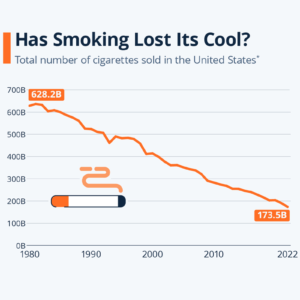
As cigarette consumption continues to decline globally, the nicotine industry invests heavily in non‑combustion technology.
2025 marks a turning point where innovation and public‑health strategies increasingly align.
- Next‑Generation Heated Tobacco Systems
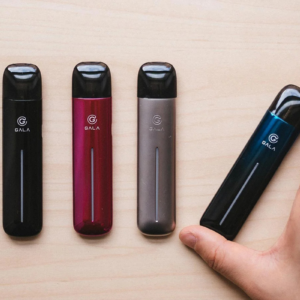
- Advanced Pod Systems Replace Early Vape Technology
- Smart Regulatory Compliance Innovations
- Nicotine Science Drives Product Development
- Reduced‑Exposure Potential as Innovation Goal*
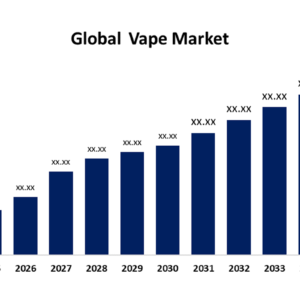
- Commercial Trends Support the Expansion of Alternatives
- Sustainability and Waste Reduction Technologies
- Summary — Innovation Shapes a Responsible Future for Adult Nicotine Users
- Forecast — Continued Shift From Combustion to Control
- Final Conclusion — Innovation Defines the Smoke‑Free Evolution of the Nicotine Market
📌 New products are designed to reduce risks associated with burning tobacco.*
Next‑Generation Heated Tobacco Systems
Advancements include:
• induction heating replacing metal blades
• sealed tobacco designs for consistent heating
• smart sensors to regulate temperature
• improved aerosol purity and stability
📌 Focus on engineering precision for adult smokers who want cigarette‑like experience without combustion.
Advanced Pod Systems Replace Early Vape Technology
Modern pods:
✔️ prevent overheating
✔️ improve liquid purity
✔️ regulate power output
✔️ provide controlled nicotine performance
📌 Practical and regulated systems outperform early hobbyist mods.
Smart Regulatory Compliance Innovations
Manufacturers introduce:
• age‑verification digital ecosystems
• scannable product authentication
• packaging with transparency reports
• standardized testing frameworks

📌 Trust and safety validation become core selling requirements.
Nicotine Science Drives Product Development
New formulations explore:
• balanced delivery speeds
• smoother inhalation pathways
• optimized absorption efficiency
• user‑responsible dosing control
📌 Engineering focuses on stability and predictability — not maximizing intake.
Reduced‑Exposure Potential as Innovation Goal*
Alternatives aim to structurally minimize the risk factors associated with burning tobacco:
• lower formation of combustion‑related toxicants*
• limited particulate generation
• indoor air quality improvements
📌 Innovation supports adults moving away from smoking — not toward nicotine initiation.
Commercial Trends Support the Expansion of Alternatives
Retail and market transitions:
✔️ diversified product shelves
✔️ increased adult‑only access points
✔️ decline of combustible‑dominant stock
✔️ specialized customer support
📌 Stores reflect the future direction of the industry.
Sustainability and Waste Reduction Technologies
New initiatives include:
• recyclable components
• renewable packaging materials
• optimized battery life management
• lifecycle environmental compliance
📌 Environmentally responsible innovation differentiates leading brands.
Summary — Innovation Shapes a Responsible Future for Adult Nicotine Users
2025 nicotine product innovations focus on:
✔️ technology replacing tobacco burning
✔️ transparency and regulatory compliance
✔️ scientific advancement supporting adult switching
✔️ safety‑driven evolution of devices and materials
📌 The industry moves away from combustion and toward regulated,
engineered solutions for adults who already use nicotine.
Heated tobacco Ritual familiarity & precision heating Adults preferring cigarette‑like routine
Pharmaceutical nicotine Gradual reduction Adults aiming to decrease nicotine use
📌 More choices help adults individually move away from smoking more effectively.
Forecast — Continued Shift From Combustion to Control
Expected trends beyond 2025:
📉 cigarette reliance keeps decreasing
📈 innovation continues improving aerosol control
📈 technology becomes more intuitive and safer
📈 regulations shape consistent product standards
📌 The transition is accelerating, not slowing down.
Final Conclusion — Innovation Defines the Smoke‑Free Evolution of the Nicotine Market
2025 marks a period where responsible advancement becomes the foundation of the industry:
✔️ engineering replaces burning
✔️ technology improves control and consistency
✔️ regulation enforces safety and adult‑only access
✔️ scientific goals drive reduced‑exposure development*
✔️ switching away from cigarettes becomes increasingly achievable for adults
📌 Nicotine markets aren’t expanding their risk — they are shifting existing adult demand into better‑controlled, research‑driven forms.
The future focus remains clear:
➡️ reduce reliance on combustion
➡️ ensure adult‑only access
➡️ advance technology responsibly
Innovation isn’t a trend — it’s the new foundation of the nicotine industry’s direction.