

Introduction — Why E‑Liquid Formulas Continue to Evolve
Over the past decade, the vaping industry has introduced numerous changes in e‑liquid formulations. These changes are driven by several factors:
• consumer demand for less harsh inhalation
• regulatory pressure to reduce toxicants
• industry efforts to remain profitable as cigarette sales decline
• scientific evaluation of chemical emissions
• attempts to control the appeal to youth populations
- Introduction — Why E‑Liquid Formulas Continue to Evolve
- What Is Inside a Modern E‑Liquid?
- Regulatory Pressure Drives Ingredient Transparency
- The Shift Toward “Smoother Nicotine Delivery”
- Public‑Health Concerns: Easier Use = More Youth Appeal
- Ethical Responsibility and Scientific Transparency
- Chemical Changes During Vaporization — Understanding Aerosol Formation
- Toxicological Findings: What Studies Reveal About Innovations
- International Regulations Driving Safer Formulation Standards
- “Cleaner Sensation” vs. Real Health Outcomes
- Youth Attraction — Why Safety Messaging Must Be Clear
- Heated Tobacco & E‑Liquid: Different Processes, Shared Concerns
While marketing often presents these innovations as enhancements, nicotine addiction remains the central and persistent risk.
Educational overview of nicotine dependence mechanisms:
🔗 https://cigarettesvibe.com/guides/nicotine-explained/dependence/
Regulators emphasize that no formulation eliminates harm from nicotine or inhaled aerosol emissions.
What Is Inside a Modern E‑Liquid?
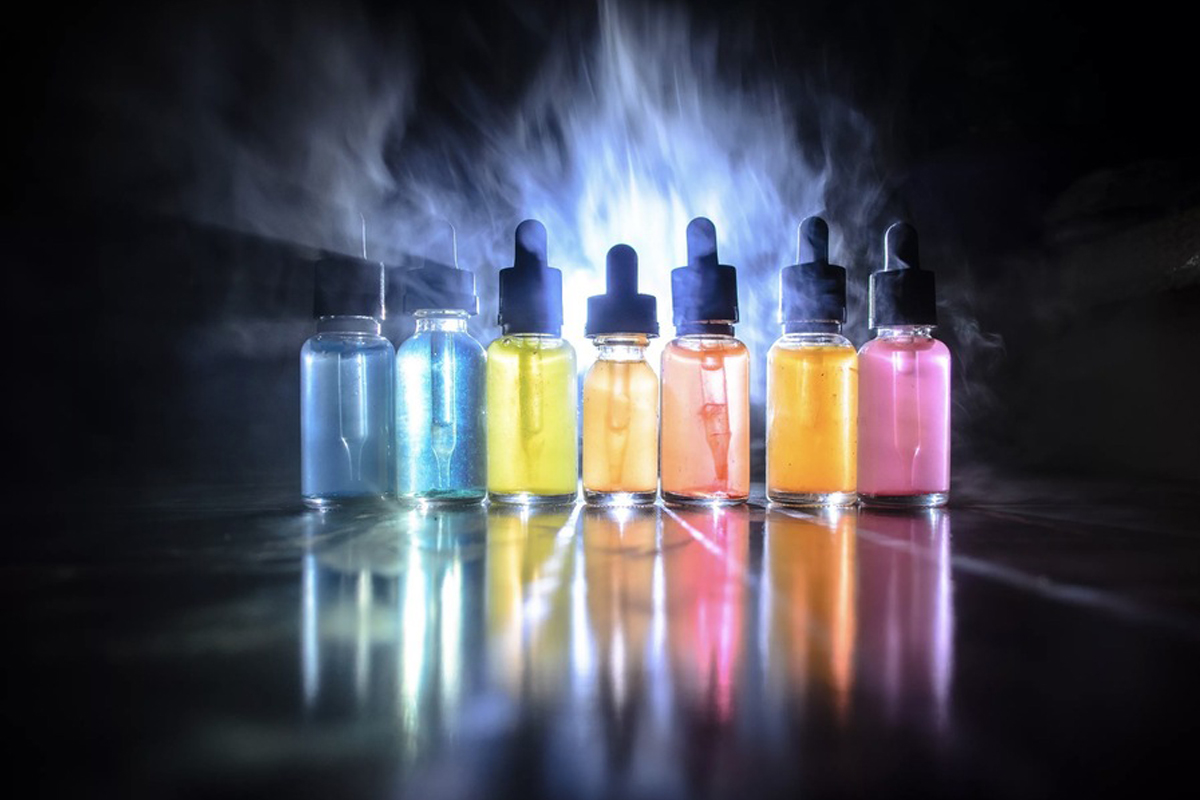
Most e‑liquids — regardless of innovation — share common core components:
Component Purpose
Propylene Glycol (PG) Carries aerosol, stronger throat hit
Vegetable Glycerin (VG) Produces vapor, smoother inhalation
Nicotine (optional) Addictive stimulant
Additives Stabilizers, pH modifiers
Nicotine — The Persistent Health Issue
Even when other components change, nicotine:
• affects cardiovascular health
• harms adolescent brain development
• creates strong dependence
Educational resource on nicotine absorption in the human body:
🔗 https://cigarettesvibe.com/guides/nicotine-explained/absorption/
📌 “Innovation” in the formula does not remove addiction.
Regulatory Pressure Drives Ingredient Transparency
Modern regulations require:
• full disclosure of e‑liquid composition
• scientific testing of emissions
• restrictions on ingredients harmful when inhaled
• labeling that communicates health risks clearly
The FDA focuses on preventing youth addiction and restricting unauthorized product changes:
🔗 https://cigarettesvibe.com/news/fda/warnings-enforcement/
🔗 https://cigarettesvibe.com/news/fda/pmta-process/

Compliance is mandatory, and non‑approved formulations face removal from the market.
The Shift Toward “Smoother Nicotine Delivery”
Examples include:
• nicotine salt formulations with lower harshness
• altered aerosol acidity to increase uptake speed
• stabilization compounds to maintain shelf quality
Educational explanation of nicotine strength variations:
🔗 https://cigarettesvibe.com/vapes/nicotine-strengths/freebase-vs-salts/
While smoother inhalation may feel less irritating, it often results in:
📌 quicker addiction development
📌 higher risk of continued use
📌 greater vulnerability in youth
Public‑Health Concerns: Easier Use = More Youth Appeal
This is why regulators worry:
Industry Claim Youth‑Related Risk
“Smooth and comfortable inhalation” Minimized deterrence effect
“Advanced formulation technology” Implies modernization = safer
“Cleaner aerosol sensation” Misleading harm perception
E‑cigarette safety research summary:
🔗 https://cigarettesvibe.com/vapes/safety/safety-research/
The more comfortable a nicotine product feels,
the more addictive behaviors it can reinforce.
Ethical Responsibility and Scientific Transparency
Public‑health agencies insist on:
• evidence‑based evaluation of every formula change
• independent toxicology testing
• limiting formulations that can appeal to minors
Chemical Changes During Vaporization — Understanding Aerosol Formation
Even if ingredients in a bottle appear stable and safe, heating them changes their chemistry. When e‑liquid is heated to create aerosol, new compounds form that are not present in the raw liquid.
Key factors that influence emissions:
Variable Impact
Temperature Higher heat → formation of thermal degradation chemicals
Coil material Can introduce metals into aerosol
Puff duration Affects concentration of harmful by‑products
Power settings Higher wattage → higher toxicant output
Educational reference on aerosol mechanisms:
🔗 https://cigarettesvibe.com/guides/delivery-methods/vaporization-nicotine/
📌 Many harmful compounds develop only after heating — not during storage.
Toxicological Findings: What Studies Reveal About Innovations
E‑liquid formulation changes can unintentionally increase:
• Carbonyl compounds (e.g., formaldehyde)
• Volatile organic compounds
• Metal particles from coils
• Ultrafine particulate pollution
Even when levels differ from cigarette smoke, regulators warn:
Lower does not mean safe — especially for youth.
Guide on chemical exposure differences:
🔗 https://cigarettesvibe.com/guides/smoking-vs-vaping-vs-heated/chemical-differences/
Additives and Stabilizers Require Strong Scrutiny
Some new formulas contain:
• pH modifiers
• preservatives
• aerosol‑enhancing agents
Potential concerns include:
✔️ unknown inhalation toxicity
✔️ cumulative exposure risks
✔️ long‑term lung health effects still emerging
Educational material about secondhand aerosol:
🔗 https://cigarettesvibe.com/heated-tobacco/basics/secondhand/
📌 Safety must be based on long‑term study — not short‑term irritation levels.
International Regulations Driving Safer Formulation Standards
Global regulators focus on:
• strict ingredient bans
• youth‑protection policies
• monitoring innovation claims
• truthful packaging and marketing
FDA examples:
🔗 https://cigarettesvibe.com/news/fda/nicotine-rules/
🔗 https://cigarettesvibe.com/news/fda/import-enforcement/
WHO guidelines emphasize:
Prevent harm — especially for developing brains.
U.S. state laws restricting access:
🔗 https://cigarettesvibe.com/news/state-restrictions/vape-laws/
“Cleaner Sensation” vs. Real Health Outcomes
Companies often promote smoother vapor as an improvement, but from a medical standpoint, this can be problematic:
“Benefit” Claim Health Implication
Less throat irritation Can increase frequency of use
Easier inhalation Higher nicotine intake risk
Modernized formula Misleading safety perception
Comparison resource:
🔗 https://cigarettesvibe.com/vapes/disposables/disposable-vs-pod/
📌 Comfort does not equal harm reduction.
Youth Attraction — Why Safety Messaging Must Be Clear
Because aerosol from new formulations:
• feels smoother
• appears like “just vapor”
• can be masked through discreet devices
Young people may underestimate danger.
Research addressing misconceptions
Top concern:
Nicotine changes the brain permanently if exposure happens during adolescence.
Educational overview of absorption differences
H3: Transparency Helps Counter Perception Gaps
Public‑health advocates recommend:
✔️ clear labeling of long‑term risks
✔️ educational warnings targeting teens
✔️ restriction of appealing design language
📌 Innovation must not make nicotine more attractive.
Heated Tobacco & E‑Liquid: Different Processes, Shared Concerns
Manufacturers sometimes claim e‑liquid aerosol is fundamentally less dangerous than smoke from combustion. Yet both:
• deliver addictive nicotine
• pose respiratory risks
• increase heart stress
• contain toxic chemicals
Educational comparison:
🔗 https://cigarettesvibe.com/heated-tobacco/iqos/iqos-vs-vaping/
📌 Switching products may change exposure levels — but not eliminate harm.