

Why Heated Tobacco Has Unique Regulations in the U.S.
Regulation differs from vaping because:
- Why Heated Tobacco Has Unique Regulations in the U.S.
- Federal Foundation — State Rules Build on FDA Decisions
- Major State‑Level Restrictions in 2025
- Licensing, Retail Control & Sales Monitoring
- Why States Focus on Heated Tobacco Restrictions
- Tax Policies — Aligning HTPs with Cigarette Controls
- State‑by‑State Trends in Heated Tobacco Legislation
- Indoor‑Use Policies — Clean‑Air Expansion Includes Aerosols
- Flavor Regulations — Preventing Youth Appeal
- Marketing & Packaging Restrictions
- Licensing & Surveillance of Retailers
- Tax Strategy — Public‑Health Priority Over Market Appeal
- Device Safety & Consumer Protection Laws
Heated Tobacco Vapes (E‑cigs)
Contains real tobacco Contains nicotine liquid
Falls under tobacco laws Many rules designed specifically for e‑liquids
Subject to tobacco excise taxes Taxes vary more widely
📌 Many states classify heated tobacco the same as cigarettes legally
to avoid loopholes that could increase youth exposure.
Understanding nicotine risks:
🔗 https://cigarettesvibe.com/guides/nicotine-explained/dependence/
Federal Foundation — State Rules Build on FDA Decisions
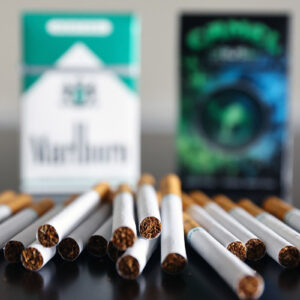
To be legally marketed, heated tobacco products require:
• premarket scientific review
• health‑risk evidence
• marketing compliance
• youth‑protection safeguards
Educational reference on submission standards:
🔗 https://cigarettesvibe.com/news/fda/pmta-process/
📌 Even with federal authorization, states can set stricter rules.
Major State‑Level Restrictions in 2025
Across the U.S., the main policy themes include:
1️⃣ Age Restrictions
— Must be 21+ to purchase
— ID verification mandatory at all points of sale
— School‑zone possession penalties for minors in many states
2️⃣ Flavor Regulations
Some states treat flavored heated tobacco like flavored cigarettes → significantly restricted.
Reason: flavors can increase initiation among youth and non‑smokers.

3️⃣ Indoor‑Air Protection Policies
Many states prohibit use:
• in restaurants and bars
• public transport
• workplaces
• most government buildings
Secondhand aerosol research reference:
📌 These policies mirror smoke‑free laws, but expand to aerosol.
Licensing, Retail Control & Sales Monitoring
Retailers selling heated tobacco must typically:
• register as tobacco retailers
• comply with regular compliance checks
• avoid locations near schools or youth centers in some states
• ensure proper safety labeling
Regulatory enforcement examples:
🔗 https://cigarettesvibe.com/news/fda/warnings-enforcement/
📌 These controls aim to reduce illegal access and misinformation.
Why States Focus on Heated Tobacco Restrictions
Public‑health agencies outline key concerns:
Concern Why It Matters
Nicotine addiction Strong habit formation, harder to quit later
Risk misperception Technology can create a “safer than it is” image
Youth experimentation Attractive design and modern branding
Indoor exposure Aerosols still contain harmful substances
Educational base
📌 Policy decisions prioritize prevention before addiction begins.
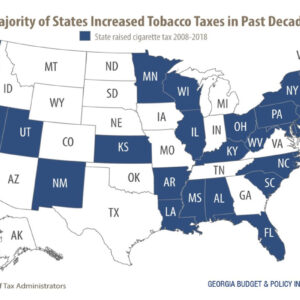
Tax Policies — Aligning HTPs with Cigarette Controls
Most states apply cigarette‑style tobacco taxes:
• to avoid pricing advantages
• to discourage consumption
• to fund health‑risk awareness campaigns
📌 Tax increases correlate with decline in youth initiation.
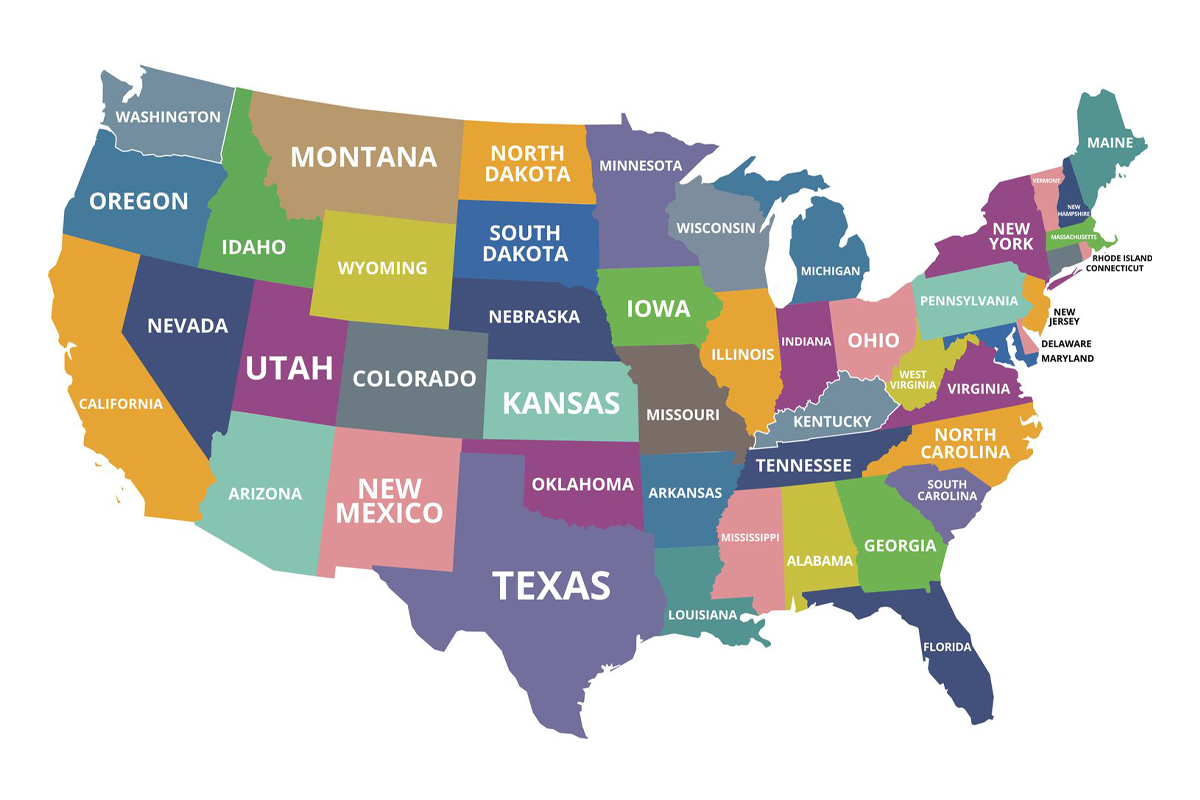
State‑by‑State Trends in Heated Tobacco Legislation
Even though heated tobacco devices are newer than vaping, many states are quickly integrating strict and proactive rules. Key categories:
Regulatory Category Common State Policies
Youth protection Strict ID checks, penalties for selling to minors
Indoor‑use controls Included in smoke‑free air laws
Licensing Tobacco retail license required
Advertising Age‑targeting restrictions
Taxation Often similar to cigarette excise taxes
📌 States aim to prevent heated tobacco from becoming a “loophole product.”
Indoor‑Use Policies — Clean‑Air Expansion Includes Aerosols
Heated tobacco regulations often mirror cigarette bans:
• no use in restaurants, bars or nightclubs
• restrictions on public transportation
• banned in government facilities
• smoke‑free campus policies extended to aerosol‑free zones
Reasoning:
Even without combustion, heated‑tobacco aerosol is not harmless.
📌 These protections help avoid unintended exposure among non‑users.
Flavor Regulations — Preventing Youth Appeal
Some states have broad flavor bans, including:
• fruity flavors
• sweet flavors
• menthol (in stricter jurisdictions)
Why?
✔️ flavored tobacco can make inhalation easier
✔️ flavor names can attract minors
✔️ may create false impression of reduced harm
Supporting information
📌 Regulation forces manufacturers to avoid youth‑targeted influence.
Marketing & Packaging Restrictions
To prevent youth targeting, states commonly prohibit:
• use of bright, candy‑style design
• social‑media influencer promotion
• imagery resembling consumer tech marketed to minors
• sponsorships at youth‑attended events
Additionally, packaging must include:
• nicotine addiction warnings
• clear tobacco identification
• product‑safety instructions
📌 Marketing limits reduce behavioral risk and misinformation.
Licensing & Surveillance of Retailers
States increase oversight through:
• retail‑license renewal requirements
• surprise compliance audits
• fines for record‑keeping violations
• retail‑distance requirements from schools (in some states)
Youth‑access prevention content
📌 Retail control is essential in reducing illegal youth access.
Tax Strategy — Public‑Health Priority Over Market Appeal
States typically tax heated tobacco similarly to cigarettes:
Tax Approach Public‑Health Purpose
Higher excise taxes Reduce affordability for youth
Price‑parity with cigarettes Avoid shifting addiction to new products
Revenue allocated for health programs Support prevention and research
📌 Tax parity reduces the risk of technology‑based nicotine recruitment.
Device Safety & Consumer Protection Laws
Compliance requirements include:
• battery safety (overheating protection)
• ingredient transparency
• regulated temperature control
• no claims of reduced risk without scientific approval
Technology regulation reference
📌 Laws ensure consumers are not misled about risks.