

By 2026, menthol cigarette bans have become one of the most controversial and politically sensitive areas of U.S. tobacco regulation. Unlike broad cigarette restrictions that apply uniformly to all products, menthol bans target a specific category that has long played a significant role in the American tobacco market. As a result, state-level menthol policies have sparked intense debate around public health, consumer choice, enforcement equity, and unintended market consequences.
- What menthol cigarettes are and why they are regulated
- Public health rationale behind menthol bans
- Why menthol is treated differently from other cigarette types
- State authority over menthol cigarette bans
- How menthol bans fit into broader nicotine policy
- Enforcement approaches across states
- Why menthol bans accelerated by 2026
- State map logic and regional differences in menthol bans
- Patchwork regulation in mixed-policy states
- Regional trends influencing menthol policy
- Market impact of menthol bans
- Why regional analysis matters
- Enforcement outcomes and real-world effectiveness of menthol bans
- Legal challenges and regulatory refinement
- Interaction with broader tobacco and nicotine regulation
- Economic impact of nicotine tax increases
- Relationship between nicotine taxes and product regulation
- Why nicotine tax policy matters in 2026
Understanding menthol cigarette bans by state in 2026 is essential for consumers, retailers, and policymakers alike. These bans do not follow a single national standard. Instead, they reflect a patchwork of state and local decisions shaped by differing public health priorities, political climates, and enforcement capacities.
What menthol cigarettes are and why they are regulated
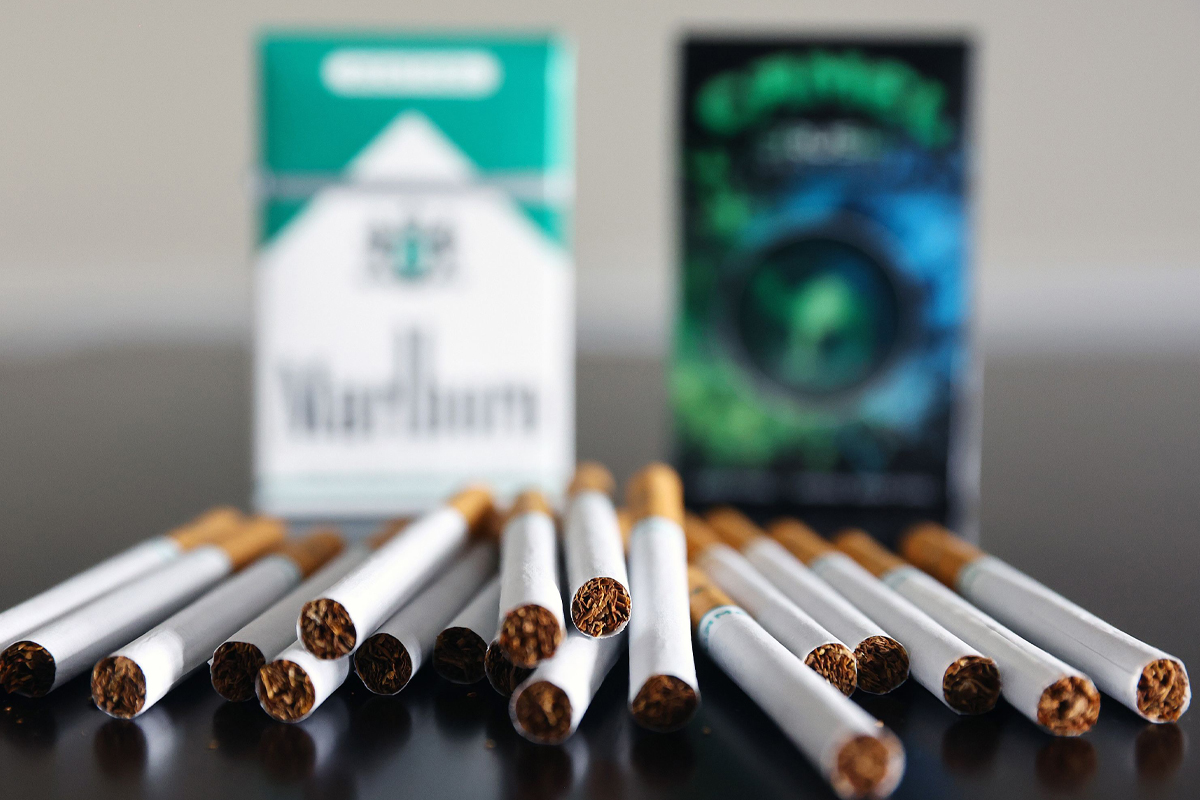
Menthol cigarettes differ from standard cigarettes due to the addition of menthol, which creates a cooling sensation that can reduce the harshness of smoke. Regulators argue that this characteristic increases product appeal and makes initiation easier, particularly for new smokers.
Public health rationale behind menthol bans
Supporters of menthol bans often frame them as a public health intervention designed to:
• reduce smoking initiation
• support cessation efforts
• address long-standing disparities in smoking rates
Menthol products have historically been associated with higher usage rates in specific demographic groups, which has intensified regulatory focus.

Why menthol is treated differently from other cigarette types
Unlike non-flavored cigarettes, menthol products are often categorized as flavored tobacco, even though menthol has long been a mainstream additive. This classification allows regulators to target menthol without banning cigarettes entirely.
Regulatory uniqueness
Menthol bans occupy a unique regulatory space: they restrict a major cigarette category without eliminating the broader market.
State authority over menthol cigarette bans
In the United States, authority to regulate cigarette flavors largely rests with states and local governments.
Federal baseline versus state action
While federal policy influences tobacco regulation broadly, menthol restrictions have primarily emerged through state and local legislation. This has resulted in wide variation across the country.
Some states adopt comprehensive statewide bans, while others permit menthol cigarettes under certain conditions or allow local governments to impose their own restrictions.
Local versus statewide bans
In states without statewide bans, cities and counties may implement local prohibitions. This creates complex compliance environments where legality can change from one jurisdiction to another within the same state.
Enforcement complexity
Retailers operating in multiple cities or counties must track local ordinances carefully to avoid violations.
How menthol bans fit into broader nicotine policy
By 2026, menthol bans are no longer isolated policy experiments. Instead, they are increasingly integrated into broader nicotine control strategies at the state level.
Alignment with other tobacco restrictions
States that restrict menthol cigarettes often apply similar logic to other flavored nicotine products.
This alignment reflects a broader policy goal of reducing the appeal of flavored tobacco across categories.
Relationship to vaping and alternative products
As menthol cigarettes become restricted, regulators must consider how these bans interact with policies governing other nicotine formats. This relationship becomes clearer when menthol regulation is viewed alongside US state vape laws in 2026, where flavor policy plays a similarly central role.
Substitution risk
When menthol cigarettes are banned, some consumers may shift to alternative nicotine products rather than quit entirely. Policymakers increasingly consider this substitution effect when designing regulations.
Enforcement approaches across states
Menthol bans differ not only in scope but also in how they are enforced.
Retail-focused enforcement
Most states place enforcement responsibility on retailers rather than consumers. Penalties typically include fines, license suspension, or revocation for selling prohibited products.
Variations in enforcement intensity
Some states conduct frequent inspections and compliance checks, while others rely on complaint-driven enforcement. These differences affect how strictly bans are applied in practice.
Practical enforcement reality
A menthol ban on paper may look similar across states, but real-world enforcement can vary significantly.
Why menthol bans accelerated by 2026
Several factors explain why menthol regulation intensified leading up to 2026.
Policy momentum and advocacy pressure
Public health advocacy groups have pushed for menthol restrictions for years. By 2026, this pressure has translated into concrete legislative action in multiple states.
Precedent from earlier local bans
Early local bans provided regulatory templates that states later expanded at a broader level.
Long-term regulatory outlook
Rather than isolated measures, menthol bans are becoming a stable component of state-level tobacco policy.
State map logic and regional differences in menthol bans
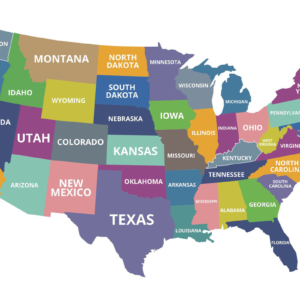
By 2026, menthol cigarette bans in the United States form a distinct geographical pattern rather than a uniform national policy. When viewed as a state-by-state map, these restrictions reveal clusters of regulation shaped by regional political culture, public health priorities, and historical tobacco policy.
Understanding this geographic logic is essential for interpreting how menthol bans spread and how future restrictions may evolve.
States with comprehensive statewide bans
Some states have adopted comprehensive menthol bans that apply uniformly across all jurisdictions within the state. In these regions, menthol cigarettes are prohibited at the retail level regardless of city or county boundaries.
These states often share common characteristics:
• strong public health institutions
• established tobacco control infrastructure
• political environments supportive of preventive regulation
Comprehensive bans simplify enforcement but require significant administrative resources to monitor compliance statewide.
Uniformity versus enforcement cost
While statewide bans reduce confusion for retailers, they demand higher enforcement capacity to remain effective across large geographic areas.
Patchwork regulation in mixed-policy states
Not all states adopt statewide bans. In many cases, menthol regulation develops through a patchwork of local ordinances.
City-level and county-level bans
In states without statewide legislation, individual cities or counties may prohibit menthol cigarette sales independently. This creates environments where legality changes abruptly across municipal borders.
Retailers operating in these states must constantly track local ordinances, often adjusting inventory location by location.
Compliance challenges for businesses
Patchwork regulation increases the risk of accidental non-compliance. A product legal in one city may become illegal just a few miles away, raising operational complexity and compliance costs.
Disparate enforcement outcomes
Local enforcement capacity varies widely. Some municipalities actively inspect retailers, while others enforce bans only after complaints, leading to inconsistent outcomes.
Regional trends influencing menthol policy
Menthol bans do not spread randomly. By 2026, clear regional trends have emerged.
Coastal policy leadership
Coastal states, particularly in densely populated regions, have often led the adoption of menthol bans. These areas typically combine strong public health advocacy with political support for tobacco regulation.
Slower adoption in other regions
Other regions have moved more cautiously, citing concerns about economic impact, enforcement feasibility, and consumer displacement. In these states, menthol bans may face stronger political resistance.
Cultural and economic factors
Historical smoking patterns, tax reliance on tobacco sales, and local attitudes toward regulation all influence regional adoption rates.
Market impact of menthol bans
Menthol cigarette bans reshape the tobacco market in ways that extend beyond the removal of a single product category.
Consumer behavior shifts
When menthol cigarettes become unavailable, consumers respond differently. Some switch to non-menthol cigarettes, others attempt to quit, and some seek alternative nicotine products.
The direction of this shift varies by region and depends on the availability of substitutes and enforcement intensity.
Retailer adaptation strategies
Retailers adjust inventory, pricing, and product placement to respond to menthol bans. In some cases, stores increase focus on non-menthol products or other regulated goods to offset revenue loss.
Why regional analysis matters
Viewing menthol bans through a geographic lens reveals patterns that are not visible when examining individual laws in isolation.
Predicting future expansion
States that share regional characteristics with early adopters may be more likely to introduce similar restrictions in the future.
Preparing for regulatory change
Businesses and consumers benefit from understanding not only current rules but also regional policy trajectories.
Strategic awareness
Geographic awareness helps stakeholders anticipate where menthol regulation is likely to expand next.
Enforcement outcomes and real-world effectiveness of menthol bans
By 2026, the effectiveness of menthol cigarette bans is increasingly evaluated not by legislative intent, but by real-world outcomes. While laws may appear clear on paper, their impact depends heavily on enforcement consistency, retailer compliance, and consumer response.
Retailer compliance patterns
In states with well-funded enforcement programs, retailer compliance tends to be high. Regular inspections, clear penalty structures, and license-based enforcement mechanisms create strong incentives to follow the law.
In contrast, jurisdictions with limited enforcement resources often experience uneven compliance. In these areas, some retailers fully comply, while others continue to sell restricted products with minimal risk.
Compliance driven by enforcement certainty
Retailers are more likely to comply when enforcement is predictable. Even modest penalties can be effective if inspection frequency is high and consequences are clearly communicated.
Legal challenges and regulatory refinement
Menthol bans have not been implemented without resistance. By 2026, several states have faced legal challenges questioning the scope, authority, or equity of menthol restrictions.
Common legal arguments
Challenges often focus on:
• state authority versus federal oversight
• equal protection and discriminatory impact claims
• economic harm to small businesses
While outcomes vary, most courts have upheld state authority to regulate cigarette flavors under existing public health powers.
Legislative adjustments after implementation
In response to legal and political pressure, some states refine menthol bans after initial rollout. These refinements may include:
• clarifying enforcement responsibilities
• adjusting penalty structures
• providing longer compliance timelines
Lawmaking as an iterative process
Menthol regulation in 2026 reflects ongoing adjustment rather than static policy, with states learning from early implementation challenges.
Interaction with broader tobacco and nicotine regulation
Menthol bans increasingly operate within a broader regulatory ecosystem rather than as isolated measures.
Alignment with cigarette taxation policy
When menthol products are removed from the market, tax revenue patterns shift. States often revisit cigarette tax structures to offset declining menthol sales, adjusting broader nicotine taxation frameworks in response.
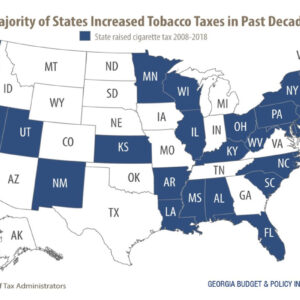
These dynamics are closely linked to nicotine tax changes by state, which help explain how fiscal policy adapts following menthol restrictions.
Spillover effects across nicotine categories
Restrictions on menthol cigarettes can indirectly affect demand for other nicotine products, influencing regulatory attention beyond combustible tobacco.
Policy coordination challenges
Coordinating menthol bans with tax and sales regulation requires careful policy alignment to avoid unintended incentives.
Economic impact of nicotine tax increases
Tax changes influence markets in ways that extend beyond simple price increases.
Consumer price sensitivity
Higher taxes raise retail prices, which can reduce consumption or shift demand toward lower-cost alternatives. The extent of this shift varies by income level and product type.
Cross-border purchasing behavior
When neighboring states adopt sharply different tax rates, consumers may purchase nicotine products across state lines. This behavior can undermine tax revenue and complicate enforcement.
Uneven market outcomes
States with high taxes may see reduced in-state sales without achieving proportional reductions in overall consumption.
Relationship between nicotine taxes and product regulation
Nicotine taxes do not operate in isolation. They interact closely with other regulatory measures.
Alignment with sales and access rules
Tax increases often accompany new restrictions on sales channels, licensing, or product availability. Together, these measures reinforce regulatory objectives.
Interaction with state vape policy
Changes in nicotine taxation are closely linked to broader state-level regulation of alternative products. This relationship becomes clearer when viewed alongside US state vape laws in 2026, where taxation functions as a complementary control mechanism.
Combined regulatory pressure
When taxes and access restrictions increase simultaneously, their combined effect can be significant even without formal bans.
Why nicotine tax policy matters in 2026
By 2026, nicotine taxes influence nearly every aspect of the nicotine market.
Long-term revenue planning
States increasingly rely on nicotine taxes as part of long-term budget planning, making sudden tax reductions unlikely.
Public health signaling
Tax increases send strong policy signals about state priorities, shaping public perception and industry expectations.
Strategic importance
For businesses and consumers, understanding tax policy is essential for anticipating future regulatory changes.