

Disposable Vapes: How They Work
Disposable vapes look simple on the outside — compact, sealed, and ready to use straight out of the package. No buttons, no refilling, no charging cables in most models. But inside that small body sits a carefully balanced system of electronics, airflow engineering, and liquid delivery mechanics working together with each puff.
- Disposable Vapes: How They Work
- The Core Idea Behind Disposable Vape Design
- What Happens When You Take a Puff
- Inside the Heating System — Coil and Wick Mechanics
- Airflow Path and Vapor Formation
- Nicotine Delivery Behavior in Disposable Devices
- Battery Behavior Inside Disposable Vapes
- Puff Count — What the Numbers Really Mean
- Temperature Curves and Vapor Consistency
- Liquid Reservoir Dynamics
- Why Disposable Devices Feel Smooth at First — Then Change
- Safety Controls Built Into Disposable Circuits
- The Engineering Tradeoff That Defines Disposable Vapes
Many readers compare them with other device formats but don’t fully understand what actually happens inside during inhalation. That’s why comparisons like disposable vs pod systems often raise questions — if both produce vapor, why do they feel different in draw, warmth, and throat impact?
This guide explains the internal structure and operating logic of disposable vapes in plain, technical English — without marketing exaggeration and without oversimplifying the engineering.
We’ll walk step-by-step through the device architecture, puff activation cycle, vapor formation process, nicotine delivery behavior, and the limits that define disposable format performance.
The Core Idea Behind Disposable Vape Design
A disposable vape is built around one main principle: sealed, pre-configured vapor delivery with zero user setup.
You may also Like
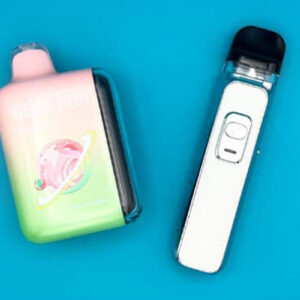
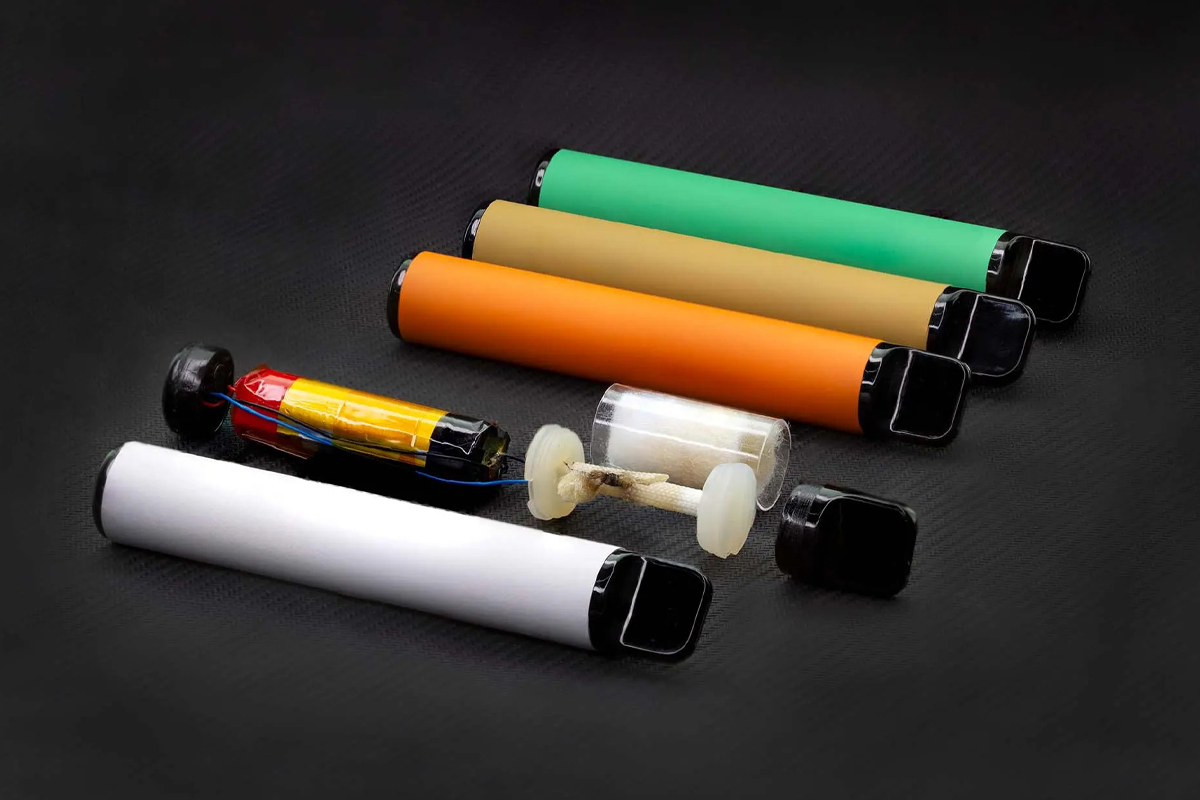
Unlike refillable or modular formats, disposables are assembled and calibrated at the factory. The user never interacts with the internal components. There is no coil replacement, no liquid refilling, and usually no battery charging. The device is designed to operate within a fixed lifespan measured in puffs.
At a structural level, every disposable vape contains four essential subsystems:
• a compact battery
• a heating element (coil + wick)
• a prefilled e-liquid reservoir
• an airflow and sensor pathway
These components are tuned to work together within a narrow power range so that vapor output remains stable without user adjustment.
Disposable devices differ from reusable formats in tuning philosophy — they are engineered for predictable behavior, not configurability. That’s why performance feels consistent from first puff to last — until the liquid or battery is depleted.
When users later move to reusable formats, they usually first study how pod systems actually work internally — because pods share similar airflow and coil logic, but with refillable or replaceable parts.
What Happens When You Take a Puff
From the outside, a puff looks like a simple inhale. Internally, it triggers a short, coordinated chain of micro-events that occur in fractions of a second.
Most disposable vapes are draw-activated. That means there is no button. Instead, the device contains a pressure or airflow sensor. When you inhale, airflow passes through a narrow channel and creates a pressure change. The sensor detects that change and instantly signals the battery circuit to activate.
This triggers three things at once:
1. The battery sends power to the coil
2. The coil heats rapidly
3. The wick begins transferring liquid to the hot surface
The coil temperature rises fast — usually within a second — and the e-liquid in contact with the wick begins to vaporize. The vapor then travels through the central airflow tube and into the mouthpiece.
The exact vapor density and throat sensation depend not only on coil heat, but also on nicotine formulation and strength selection, which is why many readers also review guides like how to choose the right nicotine strength when evaluating device experience.
Inside the Heating System — Coil and Wick Mechanics
The heating core of a disposable vape is a micro-coil wrapped around or embedded in a wick material. This wick is saturated with e-liquid from the reservoir. Its job is controlled liquid delivery — not too fast, not too slow.
If liquid feeds too slowly, the coil overheats and produces harsh vapor.
If it feeds too quickly, vapor becomes weak and flooded.
Manufacturers tune wick density and coil resistance together so that liquid replenishment matches heat output. This is one reason disposable devices feel “pre-balanced” compared to adjustable systems or pods vs mods performance setups where user settings can change heat behavior dramatically.
Different coil resistances and liquid bases also influence how nicotine is delivered in each puff. Devices designed for nicotine salt liquids behave differently from those tuned for freebase — a distinction explained in detail in freebase vs nicotine salts comparison.
Airflow Path and Vapor Formation
Airflow in a disposable vape follows a fixed, pre-engineered path. When you inhale:
• air enters through micro intake holes
• travels past the sensor chamber
• moves across the coil chamber
• mixes with vapor
• rises through the central tube
The diameter and length of this path affect:
• draw tightness
• vapor temperature
• condensation behavior
• flavor concentration
A tighter path produces a more cigarette-like pull. A wider path produces a looser draw and higher vapor volume.
Some disposable formats borrow airflow geometry from cartridge systems — especially those used in closed pod ingredient and cartridge designs — where internal channel shaping directly affects aerosol consistency.
Nicotine Delivery Behavior in Disposable Devices
One of the most misunderstood parts of disposable vape performance is nicotine delivery timing. Many users assume nicotine intake is purely about labeled strength, but delivery efficiency also depends on aerosol particle size and vapor temperature.
Research summaries like nicotine delivery through vapor systems show that aerosol structure influences how quickly nicotine is absorbed during inhalation.
Disposable devices are tuned for moderate heat and stable particle formation — not maximum output. That’s intentional. The goal is repeatable puff behavior across the device’s lifespan.
This is also why safety and performance discussions often reference broader vaping safety research reviews when comparing device classes and output profiles.
Battery Behavior Inside Disposable Vapes
It is a tightly specified power cell selected to match three variables:
• coil resistance
• expected puff duration
• target puff count
Most disposable vape batteries operate in a low, steady output range rather than variable power. Unlike advanced devices, there is no wattage adjustment and no boost modes. The goal is stability, not flexibility.
The internal circuit board regulates output so each puff receives roughly similar energy — even as battery charge gradually decreases. Without this regulation, the first puffs would feel strong and warm, while later puffs would feel weak and thin. Good disposable designs reduce that drop-off curve.
Battery capacity is not chosen randomly. Engineers estimate:
average puff length × coil power draw × expected puff count
From this, they size the battery so that the device usually runs out of liquid slightly before — or at the same time as — the battery runs out of charge. That balance is deliberate. A device that dies electrically while still full of liquid creates user frustration. A device that still has battery after liquid depletion risks overheating the wick.
Puff Count — What the Numbers Really Mean
Disposable vape packaging often lists a puff count: 600, 1200, 3000, or more. Many readers interpret this as a guarantee. In practice, it is an engineering estimate, not a strict measurement.
Puff count is calculated in laboratory conditions using:
• fixed puff duration
• fixed airflow rate
• fixed interval between puffs
Real users vary widely:
Some take short sips.
>Some take long, deep pulls.
>Some chain-puff with minimal pause.
Longer puffs consume more liquid and more battery per activation. That means two users can get very different real-world puff totals from the same device.
Temperature also plays a role. In colder environments, battery efficiency drops slightly and liquid viscosity increases, which can reduce vaporization efficiency. In hot environments, liquid flows faster but battery stress increases.
So puff count should be treated as a relative class indicator, not an exact promise.
Temperature Curves and Vapor Consistency
When a disposable vape coil activates, temperature does not jump instantly to its peak and stay there. It follows a short curve:
1. rapid rise
2. stabilization plateau
3. gradual drop after puff ends
The stabilization phase is where most vapor is produced. Disposable devices are tuned so this plateau sits in a moderate band — hot enough to vaporize efficiently, but not so hot that flavor compounds degrade too quickly.
Why this matters:
Too cool → weak vapor, low satisfaction
Too hot → harsh vapor, flavor breakdown, wick stress
Because disposables cannot adjust power dynamically like advanced devices, engineers instead tune:
• coil metal composition
• wire thickness
• wick contact pressure
• airflow speed
Together these determine how fast heat builds and how evenly liquid vaporizes across the coil surface.
Consistency is the design priority — not peak output.
Liquid Reservoir Dynamics
Inside a disposable vape, e-liquid is stored in a compact reservoir that feeds the wick through capillary action. There are no pumps, no valves, no moving feed systems. The process is passive and material-driven.
Capillary behavior depends on:
• wick fiber density
• liquid viscosity
• contact surface area
• gravity orientation
That’s why device orientation can slightly affect performance. While disposables are designed to work in most positions, prolonged inverted storage can temporarily shift liquid distribution around the wick.
As the reservoir empties, feed efficiency gradually declines. Near end-of-life, users may notice:
• slightly thinner vapor
• slower saturation between puffs
• mild flavor drop
This is normal end-cycle behavior — not necessarily a defect.
Why Disposable Devices Feel Smooth at First — Then Change
Many users report that the first portion of a disposable vape feels especially smooth and flavorful. This is not only psychological. There are physical reasons.
Early lifecycle advantages:
• fully saturated wick
• maximum battery voltage
• clean coil surface
• optimal liquid pressure balance
As usage continues:
• micro-residue builds on coil
• wick saturation cycles more often
• battery voltage slowly declines
• airflow channels collect condensation
None of this is dramatic — but together it slightly shifts the vapor profile over time.
Good disposable design minimizes this change curve. Poor design makes it obvious.
Safety Controls Built Into Disposable Circuits
Even simple disposable vapes include micro-protection logic in their circuit boards. These protections are automatic and invisible to the user.
Typical safeguards include:
• short-circuit protection
• maximum puff duration cutoff
• over-current protection
• low voltage cutoff
• auto shutoff after long draw
The puff duration cutoff is especially important. If a user inhales continuously beyond a preset limit, the device stops heating. This prevents coil overheating and wick damage.
These protections are one reason disposable devices rarely behave unpredictably under normal use — despite having no buttons or screens.
The Engineering Tradeoff That Defines Disposable Vapes
Disposable vapes are built around a clear engineering tradeoff:
maximum simplicity in exchange for zero configurability.
You gain:
• instant usability
• sealed reliability
• calibrated performance
• no maintenance
You give up:
• adjustable power
• refill flexibility
• coil replacement
• airflow tuning
That tradeoff is not a weakness — it is the defining feature of the format. Disposable vapes are not trying to be universal devices. They are trying to be predictable, self-contained vapor systems with controlled lifecycle behavior.
When understood at the component level — battery, coil, wick, airflow, and regulation — their behavior becomes logical rather than mysterious.