

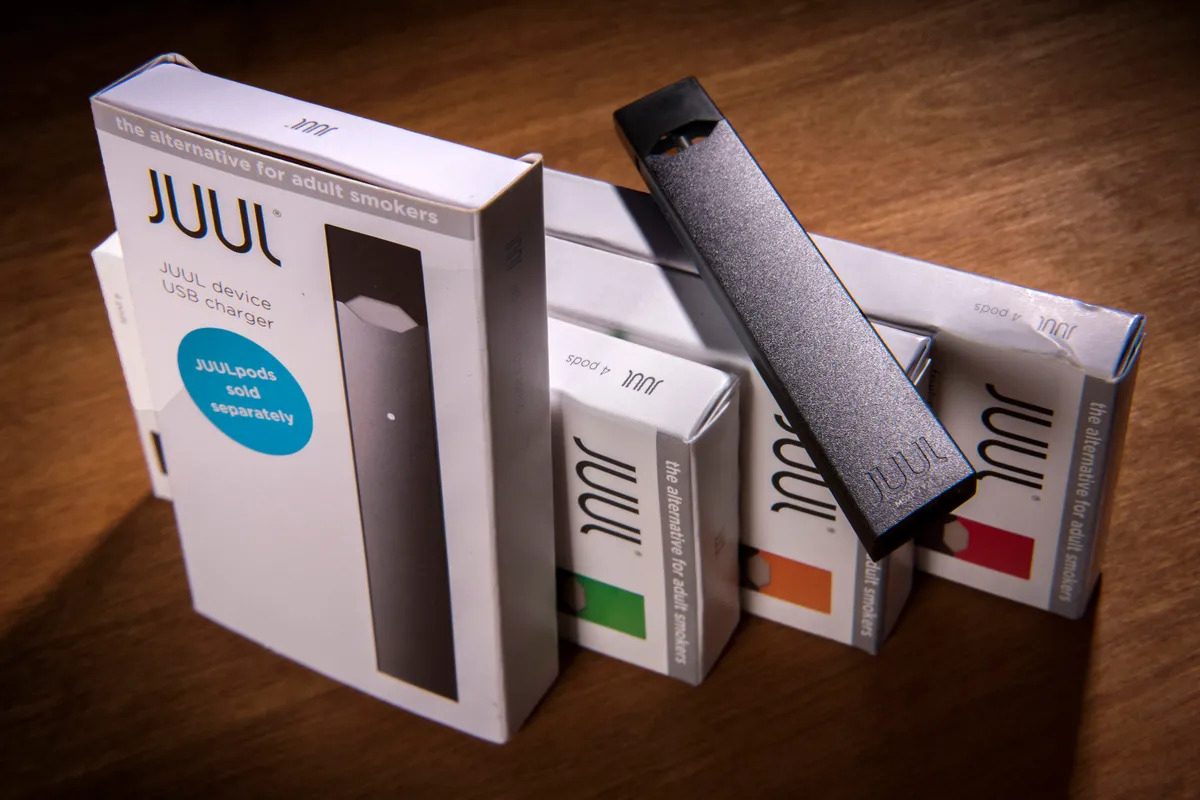
Pod Ingredients and Construction — What’s Inside a Vape Pod Cartridge
From the outside, a pod cartridge looks simple — a small sealed module that clicks into a compact device. But inside that small enclosure is a tightly engineered micro-system that combines liquid chemistry, heating hardware, airflow routing, and sealing technology.
- Pod Ingredients and Construction — What’s Inside a Vape Pod Cartridge
- The Three Core Layers Inside a Pod Cartridge
- Base Liquid Components — Carrier Chemistry
- Nicotine Formulation — Structural Role in Pod Liquids
- Flavor Compounds — Functional, Not Just Sensory
- Wick Materials — The Liquid Transfer Engine
- Coil Structure — The Micro-Heater at the Center of the Pod
- Coil Position — Vertical vs Horizontal Layout
- Micro-Chamber Design — Where Aerosol Is Formed
- Airflow Channel Engineering Inside the Pod
- Sealing Systems — Why Pods Don’t Leak Under Normal Use
- Pressure Balance — The Invisible Stability Mechanism
- Safety Framing — Ingredient and Construction Risk Context
- Construction Tradeoffs — Why Pod Cartridges Are Built This Way
Understanding pod ingredients and construction is essential for interpreting how pod systems behave: why flavor feels stable, why nicotine delivery is consistent, why draw resistance differs between cartridges, and why lifecycle performance changes over time.
A pod cartridge is not just a container of liquid. It is a calibrated vaporization chamber. Its internal layout directly shapes aerosol formation and transfer efficiency.
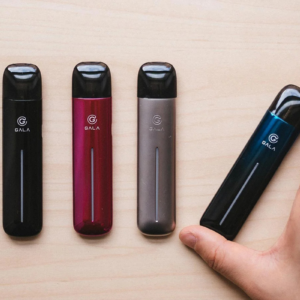
At the platform level, pod cartridges are designed to work with reusable battery bases described in how pod systems work internally — where the power unit and liquid unit are separated so each can be optimized for its role.
This article breaks down pod cartridges into their core elements: liquid composition, nicotine formulation, wick and coil structure, airflow chamber design, and sealing mechanics.
You may also Like
The Three Core Layers Inside a Pod Cartridge
Most pod cartridges are built around three tightly integrated layers:
1. Liquid layer — the formulated e-liquid mixture
2. Transfer layer — wick and feed structure
3. Thermal layer — coil and heating zone
Around these layers sit two additional systems:
• airflow channel network
• structural and sealing shell
Unlike larger refillable tanks, pod cartridges must fit all of this into a very small volume. That constraint forces design tradeoffs — smaller chambers, shorter vapor paths, and tighter thermal control.
Because pod cartridges are replaceable modules, engineers can tune each cartridge model differently — which is one reason nicotine transfer behavior is discussed separately in nicotine delivery mechanics in pod systems.
Construction is not generic — it is cartridge-specific.
Base Liquid Components — Carrier Chemistry
Most pod liquids are built on two carrier components:
• propylene glycol (PG)
• vegetable glycerin (VG)
These are not flavorings — they are aerosol carriers.
Propylene glycol (PG) contributes:
• lower viscosity
• faster wicking
• sharper flavor transmission
• stronger throat sensation
Vegetable glycerin (VG) contributes:
• higher viscosity
• denser aerosol
• smoother mouthfeel
• thicker vapor body
Pod cartridges usually use balanced or PG-leaning ratios compared with high-vapor devices. Why? Because pod wick channels are small, and liquid must move quickly and predictably to the coil.
Higher-VG blends move more slowly and are harder to manage in compact feed systems. That’s why pod liquids are engineered differently from large-tank liquids.
Carrier balance is not about cloud size — it’s about feed stability.
Nicotine Formulation — Structural Role in Pod Liquids
Nicotine inside pod cartridges is not only a strength variable — it is also a formulation variable. The chemical form of nicotine affects how the liquid behaves during vaporization and inhalation.
Modern pod cartridges are frequently designed around salt-based nicotine formulations — whose behavior differences are explained in freebase vs nicotine salt chemistry.
From a construction standpoint, formulation affects:
• required coil temperature
• throat sensation curve
• aerosol smoothness
• puff duration tolerance
• delivery consistency
Because pod cartridges are prefilled and sealed, their coil and airflow are tuned to the intended nicotine formulation band. This tight pairing between formulation and hardware is a defining feature of pod cartridge engineering.
Disposable devices also use formulation tuning — but with different lifecycle assumptions, as described in how disposable vape internals are built.
Pod cartridges assume shorter coil lifecycle and more precise pairing.
Flavor Compounds — Functional, Not Just Sensory
Flavor ingredients inside pod cartridges are often misunderstood as purely sensory additives. In reality, they also influence vapor behavior.
Flavor compounds affect:
• volatility
• aerosol particle formation
• condensation behavior
• perceived warmth
• throat sensation
Some flavor molecules vaporize easily and cool quickly. Others require slightly higher heat and remain longer in aerosol form. Cartridge coil tuning must account for this — otherwise flavor becomes unstable across puffs.
This is why two cartridges with the same nicotine strength but different flavor profiles can feel different in warmth and smoothness — even when the device is identical.
Flavor chemistry is part of delivery engineering, not just taste design.
Wick Materials — The Liquid Transfer Engine
The wick is the hidden engine of pod cartridge performance. Its role is to transfer liquid from reservoir to coil at a controlled rate through capillary action.
Common wick materials include:
• treated cotton
• cellulose blends
• ceramic-based porous structures
Wick density determines feed speed. If too dense → dry hits.
If too loose → flooding and weak aerosol.
Pod cartridges use short, highly controlled wick paths because chamber size is limited. This is different from large tanks and also different from many disposable designs — which is one reason format comparisons like disposable vs pod systems often report different consistency behavior.
In pods, wick path length and compression are precision variables — not generic stuffing.
Coil Structure — The Micro-Heater at the Center of the Pod
At the center of every pod cartridge sits a micro-heating element — the coil. This is the component that converts electrical energy from the battery into thermal energy for aerosol formation.
Pod coils are engineered differently from large tank coils. They are typically:
• smaller in diameter
• lower in total mass
• tightly integrated with the wick
• enclosed in compact vapor chambers
Because pod systems operate at moderate power levels, coil resistance and metal composition are chosen to reach the optimal vaporization window quickly — without overheating.
Most pod coils are not designed for user replacement. They are lifecycle-matched to the cartridge itself. That allows engineers to tune coil behavior specifically to:
• liquid formulation
• nicotine type
• airflow restriction
• cartridge chamber size
This cartridge-specific coil tuning is one reason pod performance behaves more like a calibrated module than a generic heating platform — especially when compared with broader device classes like those outlined in pod platforms versus mod devices.
Coil Position — Vertical vs Horizontal Layout
Pod cartridge coils are usually placed in one of two orientations:
• vertical coil layout
• horizontal coil layout
Vertical coils typically allow:
• more uniform wick contact
• smoother airflow path
• stable aerosol channeling
Horizontal coils typically allow:
• shorter cartridge height
• compact chamber stacking
• simplified assembly
The choice affects vapor path length and condensation behavior. Vertical layouts often produce slightly smoother aerosol flow. Horizontal layouts often reduce cartridge size.
Neither is universally superior — both are engineering tradeoffs between space, airflow, and manufacturing efficiency.
In pod cartridges, layout is chosen to match chamber geometry — not just coil preference.
Micro-Chamber Design — Where Aerosol Is Formed
Around the coil sits a micro-chamber — a small enclosed space where vapor first forms and begins to mix with incoming air.
This chamber controls:
• initial aerosol density
• turbulence level
• droplet aggregation
• early condensation rate
If the chamber is too large:
• aerosol cools too quickly
• droplets merge
• delivery efficiency drops
If the chamber is too small:
• vapor overheats
• turbulence increases
• harshness rises
Pod cartridge chambers are therefore tightly sized and tuned. Their geometry is one of the most important — and least visible — performance variables.
This micro-chamber tuning is part of why pod cartridges often deliver more repeatable puff behavior than broader sealed systems built under different lifecycle assumptions.
Airflow Channel Engineering Inside the Pod
Airflow inside a pod cartridge does not simply pass “over the coil.” It is routed through engineered micro-channels.
A typical airflow path includes:
• intake slot interface with device body
• sensor or pressure path (in draw-activated systems)
• coil chamber pass
• central vapor tube
• mouthpiece exit channel
Channel diameter and length determine:
• draw tightness
• aerosol cooling rate
• condensation probability
• sound during inhale
Pod systems usually target a moderately tight draw profile. This helps stabilize aerosol density and nicotine transfer under varied user puff strength.
Airflow engineering is also one reason pod cartridges behave differently from single-life devices described in the internal operation of disposable vapes — where airflow must remain acceptable across an entire sealed lifecycle rather than across replaceable modules.
Sealing Systems — Why Pods Don’t Leak Under Normal Use
A critical — and often overlooked — part of pod construction is the sealing system.
Pod cartridges must remain leak-resistant across:
• temperature variation
• pressure changes
• repeated insertion and removal
• transport vibration
Sealing is achieved through layered methods:
• ultrasonic weld seams
• compression gaskets
• silicone valve points
• snap-fit structural locks
These are not random — they are seal or balance failures.
Pod cartridge sealing is generally more robust than refillable tank sealing because it is factory-closed and never reopened by the user.
Pressure Balance — The Invisible Stability Mechanism
Inside every pod cartridge is a small air pocket above the liquid. This is not empty space — it is a pressure regulator.
As liquid leaves the reservoir and moves toward the coil, air must replace that volume. If replacement airflow is not controlled, feed becomes unstable.
Pressure balance systems regulate:
• liquid feed speed
• wick saturation stability
• leak resistance
• draw consistency
Too much pressure equalization → flooding
Too little → dry hits
This balance is one of the most delicate parts of pod cartridge engineering — and one of the main reasons cartridges are not designed for user disassembly or modification.
Proper pressure balance is what allows pod cartridges to deliver stable performance from first puff to near end-of-life.
Safety Framing — Ingredient and Construction Risk Context
When discussing pod cartridge ingredients and construction, it’s important to frame safety in terms of engineering controls and evidence — not speculation.
• temperature-bounded heating
• controlled aerosol zones
• sealed liquid chambers
• lifecycle-matched materials
Broader evidence reviews and risk framing are summarized in vaping safety research overviews — which distinguish measured findings from assumption.
Public discussion often mixes device classes, power levels, and use patterns into one narrative. From an engineering perspective, compact pod cartridges operate in a tightly bounded thermal and structural envelope — very different from high-power adjustable systems.
Clear category separation is essential for accurate interpretation.
For readers encountering exaggerated claims, structured myth correction is also covered in common vaping myths explained — where construction and ingredient misunderstandings are addressed directly.
Construction Tradeoffs — Why Pod Cartridges Are Built This Way
Every design decision is a tradeoff between:
• size
• feed stability
• aerosol quality
• leak resistance
• manufacturing repeatability
To achieve compact size and consistent delivery, engineers accept:
• non-replaceable coils
• sealed reservoirs
• fixed airflow geometry
• fixed formulation pairing
These are not limitations by accident — they are deliberate constraints that enable predictable performance.