

Pods vs Mods — The Real Technical Differences Between These Vape Classes
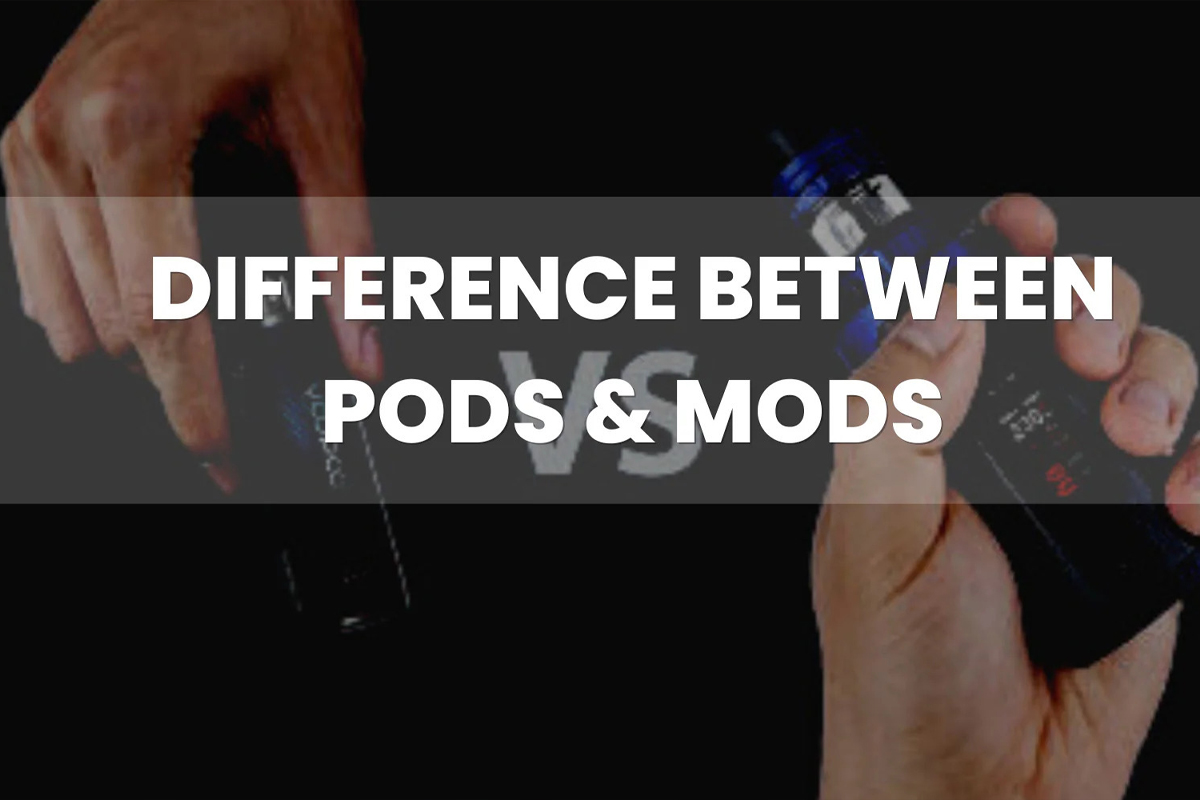
Pod systems and mod devices are often grouped together under the same broad category — vape devices — but from an engineering standpoint, they are very different machine classes. They are built around different power ranges, airflow envelopes, coil architectures, and usage assumptions.
- Pods vs Mods — The Real Technical Differences Between These Vape Classes
- Platform Architecture — Modular Compact vs Configurable Platform
- Power Range — Fixed Moderate vs Adjustable Wide Range
- Airflow Envelope — Controlled Draw vs Wide Adjustment
- Coil Design — Cartridge-Matched vs User-Selected
- Output and Strength Pairing — Why Formulation Matters by Class
- Aerosol Output — Volume vs Density
- Control vs Calibration — User Adjustment vs Engineering Preset
- Maintenance Load — Cartridge Replacement vs System Upkeep
- Disposable Devices — Where They Sit Between Pods and Mods
- Cost Structure — Hardware Turnover vs Component Turnover
- Safety Envelope — Output Range and Risk Boundaries
- Decision Matrix — A Practical Technical Framework
- Final Technical Summary
A pod system is designed as a controlled-output compact platform focused on repeatable puff behavior and low user complexity. A mod device is designed as a variable-output platform focused on adjustable power, airflow flexibility, and component customization.
This is not simply a “small vs big” difference. It is a difference in design philosophy.
Understanding that difference helps readers avoid the most common comparison mistake: assuming that higher power automatically means better performance. In reality, performance must be evaluated relative to formulation, delivery goals, and usage pattern.
At the compact end of the spectrum, pod device mechanics are explained in how pod systems work internally — where battery regulation, cartridge pairing, and airflow constraints define output behavior.
You may also Like
This article compares pod systems and mod devices at the architecture level — not the marketing level.
Platform Architecture — Modular Compact vs Configurable Platform
The first major difference is platform architecture.
Pod systems use a two-module structure:
• reusable battery base
• replaceable pod cartridge
The cartridge contains the liquid, wick, coil, and vapor chamber. The battery base provides regulated moderate power. The system is calibrated as a pair.
Pod cartridge internal structure — including wick paths, coil placement, and chamber geometry — is detailed in pod cartridge ingredients and construction.
Mod systems use a multi-component structure:
• battery mod body
• tank or atomizer
• replaceable coil head or build deck
• adjustable airflow assembly
Components are selected and combined by the user. Tanks, coils, and settings are interchangeable across many configurations.
Pod architecture = calibrated module pairing
Mod architecture = configurable component stack
That architectural difference drives most of the behavioral differences that follow.
Power Range — Fixed Moderate vs Adjustable Wide Range
Power range is one of the most visible separators.
Pod systems typically operate in:
• low-to-moderate wattage bands
• narrow output windows
• preset or lightly regulated levels
Output is chosen by the manufacturer to match cartridge coil resistance, airflow, and formulation.
Mod devices typically operate in:
• moderate-to-high wattage bands
• adjustable output ranges
• user-controlled settings
Users can raise or lower power to change:
• coil temperature
• vapor density
• warmth
• aerosol volume
This flexibility is powerful — but it also transfers responsibility from engineering calibration to user judgment.
Pod devices reduce variability by narrowing the power band. Mod devices increase variability by widening it.
Airflow Envelope — Controlled Draw vs Wide Adjustment
Airflow design differs just as much as power design.
Pod systems usually provide:
• moderately tight draw
• fixed airflow geometry
• cartridge-matched restriction
This tighter airflow stabilizes aerosol density and nicotine transfer — especially in compact delivery systems analyzed in nicotine delivery behavior in pod devices.
Mod systems often provide:
• adjustable airflow rings
• wide-open draw options
• large intake channels
Airflow can often be tuned from restricted to very open. This changes:
• aerosol cooling
• vapor volume
• draw resistance
• condensation behavior
Tighter airflow → denser aerosol per volume
Open airflow → larger aerosol volume per puff
Neither is universally better — but they serve different delivery goals.
Coil Design — Cartridge-Matched vs User-Selected
Coil systems reflect platform philosophy.
Pod systems use:
• cartridge-matched coils
• preset resistance
• lifecycle-matched heating cores
• no user coil selection
The coil is chosen to match the cartridge’s liquid feed, chamber size, and airflow path. Users do not tune coil parameters — they replace cartridges.
Mod systems use:
• interchangeable coil heads or builds
• multiple resistance options
• different wire types
• user-selected performance profiles
Coil choice affects:
• ramp speed
• heat retention
• aerosol density
• flavor behavior
Pod coils are calibration components.
Mod coils are tuning components.
That difference changes how much technical control the user holds.
Output and Strength Pairing — Why Formulation Matters by Class
Because pod and mod devices operate in different aerosol output bands, nicotine formulation pairing also differs.
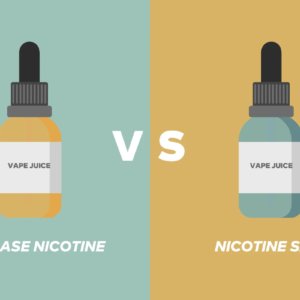
Formulation behavior — especially the difference between salt and freebase — is explained in freebase vs nicotine salts.
General pairing tendencies:
Pod-class output → often paired with smoother formulations and moderate/high concentration bands
Mod-class output → often paired with lower concentration freebase bands
This pairing is based on aerosol volume and inhale comfort — not marketing segmentation.
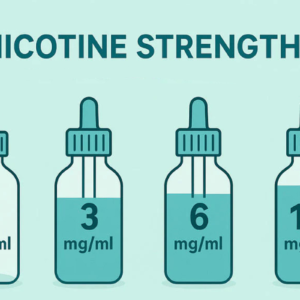
Strength selection logic — including mismatch symptoms — is covered in how to choose the right nicotine strength.
Device class sets the usable formulation window.
Aerosol Output — Volume vs Density
One of the most practical differences between pod systems and mod devices is aerosol output profile — not just how much vapor is produced, but how it is structured.
Pod systems are engineered for:
• lower aerosol volume per puff
• higher aerosol density
• tighter draw
• shorter vapor paths
This produces compact, concentrated puffs with predictable delivery behavior.
Mod devices are engineered for:
• higher aerosol volume per puff
• broader particle spread
• open airflow
• longer vapor paths
This produces larger clouds and greater visible output — but not necessarily more efficient nicotine transfer per unit volume.
Output class changes how devices should be compared. Comparing a compact calibrated puff to a high-volume adjustable puff is not an apples-to-apples comparison — it is a class comparison.
This difference also explains why intermediate format comparisons — like disposable vs pod systems — show stepwise output changes between sealed and modular compact platforms.
Control vs Calibration — User Adjustment vs Engineering Preset
Pod systems and mod devices differ sharply in where control lives.
Pod systems place control in engineering presets:
• coil matched to cartridge
• airflow fixed
• power band regulated
• formulation paired
• puff behavior stabilized
The user interacts with the system — but does not tune it deeply.
Mod devices place control in user adjustment:
• wattage adjustable
• airflow adjustable
• coil type selectable
• tank style selectable
• heat behavior tunable
This flexibility allows fine personalization — but also increases variability and error risk.
Engineering calibration reduces variability.
User control increases variability.
Which is preferable depends on the user’s goals and technical comfort — not on device “level.”
Maintenance Load — Cartridge Replacement vs System Upkeep
Maintenance requirements differ significantly between the two classes.
Pod systems typically require:
• cartridge replacement
• battery charging
• occasional contact cleaning
That’s it. No coil installation, no tank disassembly, no liquid refilling in many pod models.
Mod systems typically require:
• coil replacement or building
• tank cleaning
• liquid refilling
• airflow ring maintenance
• seal inspection
• configuration checks
This is not a flaw — it is part of the configurable platform model. But it changes the maintenance burden and the chance of user-induced performance variation.
Pod maintenance is module swap.
Mod maintenance is component service.
Disposable Devices — Where They Sit Between Pods and Mods
Disposable devices sit between pods and mods in complexity — but closer to pods in output philosophy.
They share with pods:
• compact aerosol band
• preset airflow
• moderate heat
• no user tuning
But unlike pods, they integrate battery and cartridge permanently — as explained in how disposable vape systems work internally.
So the spectrum looks like this:
disposable → pod → mod
sealed preset → modular preset → configurable platform
Understanding the spectrum prevents false binary comparisons.
Cost Structure — Hardware Turnover vs Component Turnover
Cost differences are not only about price — they are about turnover model.
Pod systems:
• reusable battery platform
• replaceable cartridges
• moderate hardware turnover
Mod systems:
• long-life hardware body
• replaceable coils and tanks
• low hardware turnover, higher component turnover
Disposable systems:
• full hardware replacement each cycle
• highest hardware turnover
Lifecycle economics depend more on usage intensity than device label.
Safety Envelope — Output Range and Risk Boundaries
Another important difference between pods and mods is the width of the operating envelope.
Pod systems operate inside a narrow safety and output envelope by design:
• moderate power
• limited airflow
• cartridge-matched coils
• automatic cutoffs
Mod systems operate inside a wide envelope:
• user-set power
• user-selected coils
• user-adjusted airflow
• broader thermal range
Wide envelopes increase capability — but also increase responsibility.
Public confusion often mixes device classes when discussing risks. Structured myth correction and category separation are summarized in common vaping myths explained — which helps keep class boundaries clear.
Device class matters in interpretation.
Decision Matrix — A Practical Technical Framework
A practical pods vs mods decision framework can be built around four questions:
Do you want adjustable output or preset output?
preset → pod
adjustable → mod
Do you want cartridge workflow or component workflow?
cartridge → pod
component → mod
Do you prefer stability or tuning freedom?
stability → pod
tuning → mod
Do you want narrow or wide operating range?
narrow → pod
wide → mod
This framework is mechanical — not emotional.
Final Technical Summary
Pods and mods are not “levels” of the same device. They are different engineering classes built for different optimization goals.
Pod systems deliver:
• calibrated output
• compact architecture
• repeatable puff cycles
• low configuration burden
Mod systems deliver:
• adjustable output
• configurable hardware
• airflow and coil flexibility
• user-driven tuning
Pods optimize for consistency.
Mods optimize for flexibility.
Understanding that distinction turns comparison into classification — and classification into correct selection.